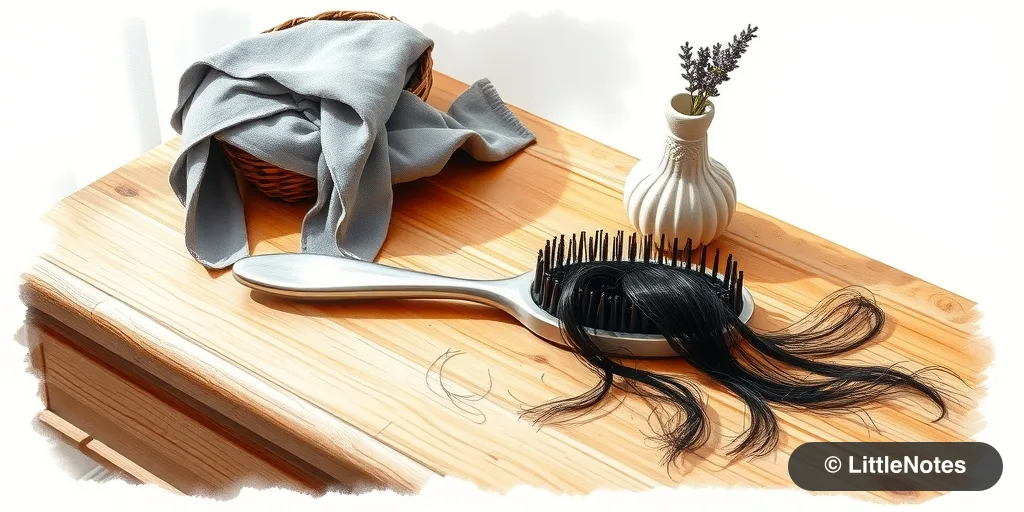
If you are finding strands of hair everywhere you look, you are not alone. This phenomenon is known as Telogen Effluvium, a common condition where hair sheds more than usual following a period of physical or emotional stress, such as pregnancy and childbirth.
Why It Happens
During pregnancy, hormonal shifts often result in thicker, fuller hair. After birth, as hormones stabilize and your body adjusts to the demands of caring for a newborn—including sleep deprivation and nutritional shifts—the hair enters a shedding phase. This typically begins 3–4 months postpartum and can last for several months.

How to Support Yourself
- Prioritize Nutrition: Focus on a balanced diet. If you are concerned, speak to your doctor about checking your levels of Vitamin D, B12, and Ferritin.
- Reduce Stress: While easier said than done, stress can exacerbate hair loss. Remember that this is a temporary, biological transition.
- Get a Check-up: If you are worried, it is always a good idea to consult your doctor for a blood panel to rule out thyroid imbalances or other deficiencies that might be contributing to the shedding.
Most importantly, be kind to yourself. This is a common part of the postpartum journey, and for the vast majority of parents, the shedding eventually slows, and hair growth returns to normal.






Comments