
Watching your baby spit up milk after a feed can be alarming for new parents, but it is a very common occurrence for infants under six months. In most cases, it is simply a sign of a developing digestive system.
Why Do Babies Spit Up?
Most infants experience spitting up because the muscle between their esophagus and stomach is still maturing. As they grow and their digestion becomes more efficient, this typically resolves on its own. If your baby is active, meeting their growth milestones, and having the expected number of wet diapers, occasional spit-ups are usually nothing to worry about.
Tips for Managing Spits and Gas:
- Upright Time: Keep your baby in an upright position for at least 15–20 minutes after every feed. Avoid letting them lie flat immediately after eating.
- Frequent Burping: Don’t wait until the end of a feed to burp your baby. Try "mid-feed burps" to release trapped air before they gulp too much milk.
- Paced Feeding: Whether you are breastfeeding or bottle-feeding, ensure the flow is controlled. If you are bottle-feeding, try a slower nipple flow and practice paced feeding to prevent the baby from drinking too quickly.
- Tummy Comfort: Incorporate gentle tummy massages or bicycle-leg exercises during diaper changes to help relieve internal gas pressure.
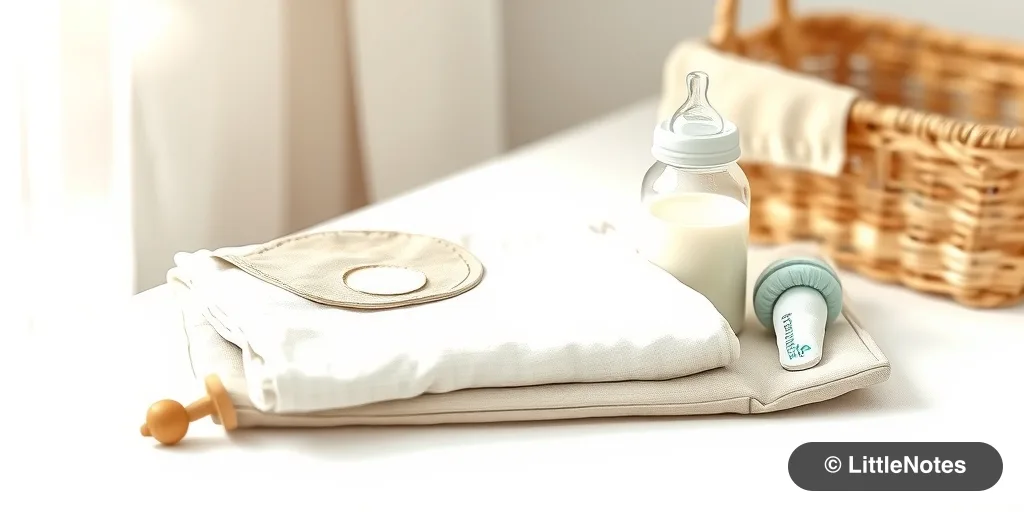
When to Reach Out to Your Doctor
While spitting up is normal, you should contact your pediatrician if:
- The spit-ups appear projectile or forcefully expelled.
- Your baby seems to be in significant pain or distress during or after feeds.
- Your baby is not gaining weight or the number of wet diapers has decreased.
- You feel like something is fundamentally 'off.'
Remember to stay patient with yourself and your baby; as your little one grows stronger, their ability to keep milk down will improve significantly.
Disclaimer: Always consult your pediatrician if you have concerns about your baby's health, feeding, or weight gain.




Comments