One of the most frequent questions first-time parents grapple with is the purity of the water their little one consumes. When your baby starts moving toward solids or transition drinks, it is natural to want to ensure every sip is as safe and clean as possible. While every family’s situation varies, here is a breakdown of the collective wisdom on managing water safety for infants.
To Boil or Not to Boil?
Many pediatricians suggest that for the first 6–8 months of life, boiling water—even if it has already passed through a high-quality RO (Reverse Osmosis) or UV filtration system—is the gold standard. Boiling is the most reliable way to ensure the water is sterile. Because infants have developing digestive systems, even minor bacterial growth that might be harmless to an adult can sometimes lead to tummy troubles for a baby.
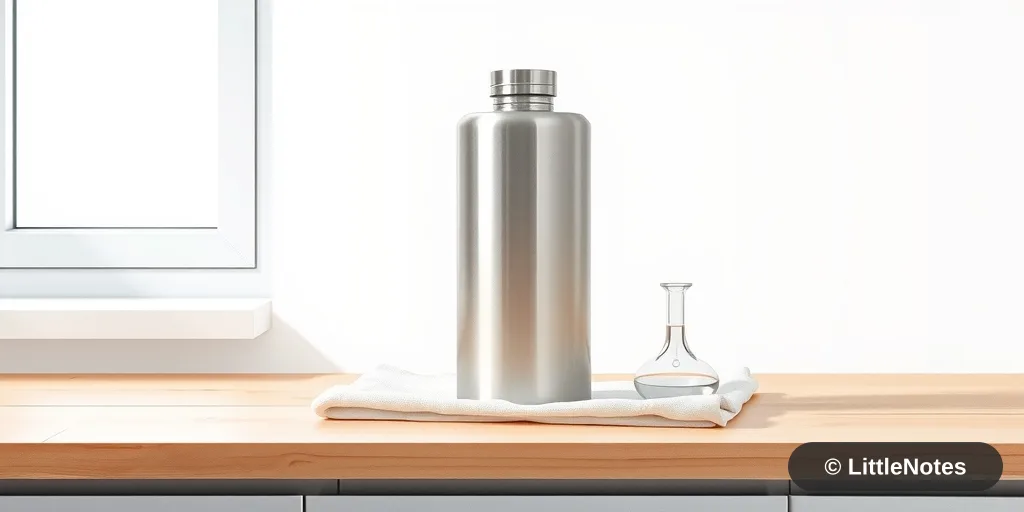
If you choose to boil, the general practice is to boil a fresh batch each morning, let it cool to a safe temperature, and store it in a clean, dedicated container or stainless steel flask to be used throughout the day.
Maintaining Your Equipment
If you rely on home filtration, keep a close eye on your filter maintenance. Many systems feature an indicator light, but if yours doesn't, aim to change filters every 5–6 months, especially if your local water supply is "hard." Efficiency can drop significantly over time, and regular changes ensure your system is actually doing its job.
Traveling with Confidence
Travel often brings up new anxieties about water quality. Here are a few ways parents navigate this:
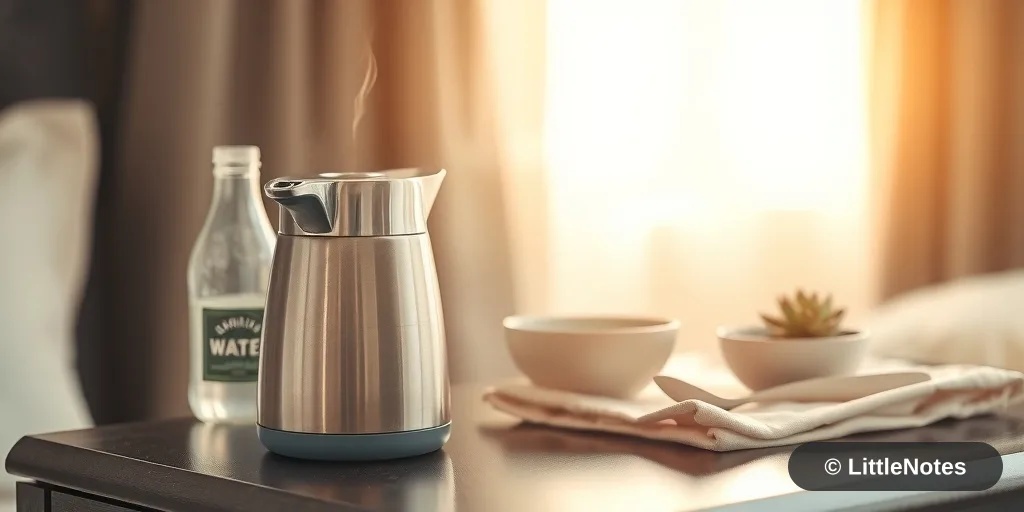
- Bring Your Own: If you are staying in a hotel without a kitchen, carrying a small, travel-sized stainless steel electric kettle allows you to boil water in your room safely.
- Bottled Options: Some families prefer using high-quality mineral water (ideally in glass packaging) when away from home to ensure consistency.
- The Kitchenette Hack: When planning longer trips, prioritizing accommodations with a small kitchenette provides the most flexibility. This allows you to boil your own water and prepare simple meals using your own trusted utensils, avoiding the need to rely on hotel-provided cookware that you may not be familiar with.
Note: Always consult your pediatrician regarding your baby’s specific needs, especially if you have concerns about your local tap water or your baby’s individual health requirements. Every baby is different, and your doctor can provide guidance tailored to your specific environment.


Comments