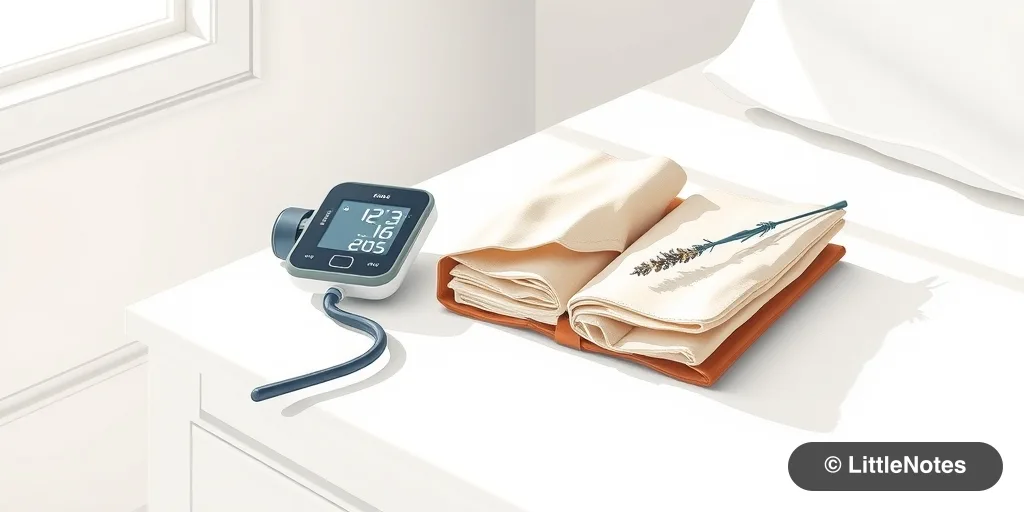
In the whirlwind of newborn care, it is incredibly common for parents to prioritize their little one’s health while putting their own wellness on the back burner. Between sleepless nights, feeding schedules, and recovery, checking your own vitals can feel like one chore too many. However, monitoring your blood pressure in the weeks and months after birth is a crucial health step that every new parent should take.
While we often associate blood pressure concerns with pregnancy, postpartum hypertension or preeclampsia can develop even after you’ve left the hospital. These conditions don’t always present with obvious symptoms, making routine check-ins with your healthcare provider essential.
Why it matters
Your body has gone through an incredible physical transformation. As your hormones shift and your system works to return to its pre-pregnancy state, blood pressure can fluctuate. High blood pressure that goes unnoticed or untreated can lead to serious health complications, meaning a simple, quick screening can provide significant peace of mind.

Practical steps for monitoring
- Schedule a Postpartum Checkup: Ensure you attend your follow-up appointments, even if you are feeling well. These are the perfect time for your doctor to get a baseline reading.
- Keep a Log: If your doctor suggests monitoring at home, use an automated, validated blood pressure cuff. Keep a simple note on your phone or a journal tracking the time of day and your results.
- Know the Warning Signs: While you should always consult your pediatrician or primary physician for concerns, be aware of symptoms like persistent headaches, vision changes (like blurriness or spots), or sudden swelling in your hands and feet. If you experience these, reach out to your medical provider immediately.
Taking five minutes to check your blood pressure is an act of self-care that allows you to be the healthiest version of yourself for your baby. Remember, you can't pour from an empty cup—taking care of your health is the best way to ensure you are there for the long haul.




Comments