Community-powered wisdom for first-time parents
Tips on feeding, sleep, milestones, and more — shared by parents who've been there.
Browse tips & articles by topic
Ask questions & share experiences
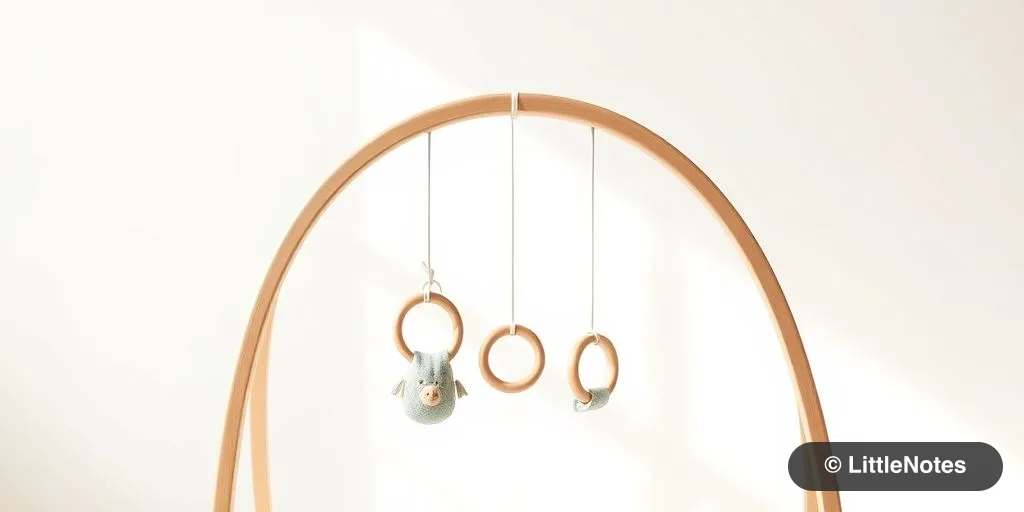
You can introduce a playgym around 2-3 months to encourage kicking and hand movements. Look for one with a net to double as mosquito protection.
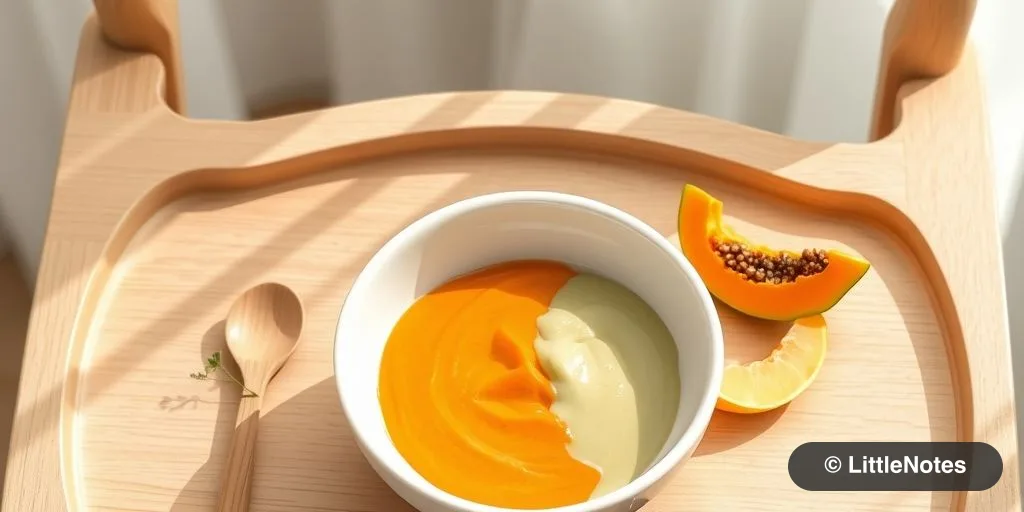
Starting solids is a big milestone! Around 6 months, your baby is likely ready to explore new flavors and textures. When beginning this journey, prioritize variety: offer mashed vegetables like carrots, pumpkin, or bottle gourd (lauki), and incorporate fruits like papaya, pear, or prunes if you notice their digestion needs a little help. Practical tips for a…
A playgym is a great way to encourage motor development, such as hand-eye coordination and leg strength. You can generally introduce these a…
Growth spurts can last 10-14 days and involve increased feeding frequency. Responding to your baby's demand during this time is essential to help your supply meet their growing needs.
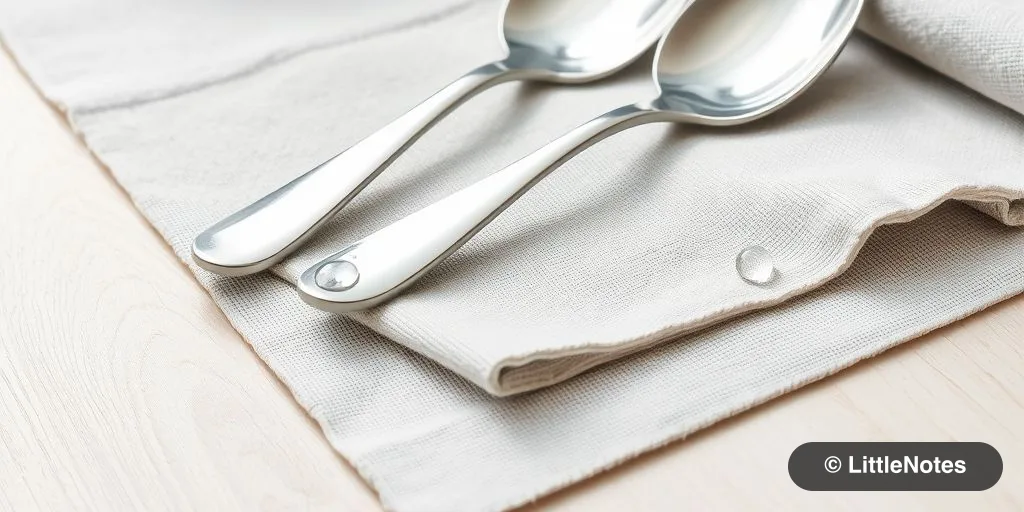
Skip specialized plastic baby spoons and use small, blunt-edged stainless steel dessert spoons. They are often more durable, easier to clean, and perfect for a baby's grip.
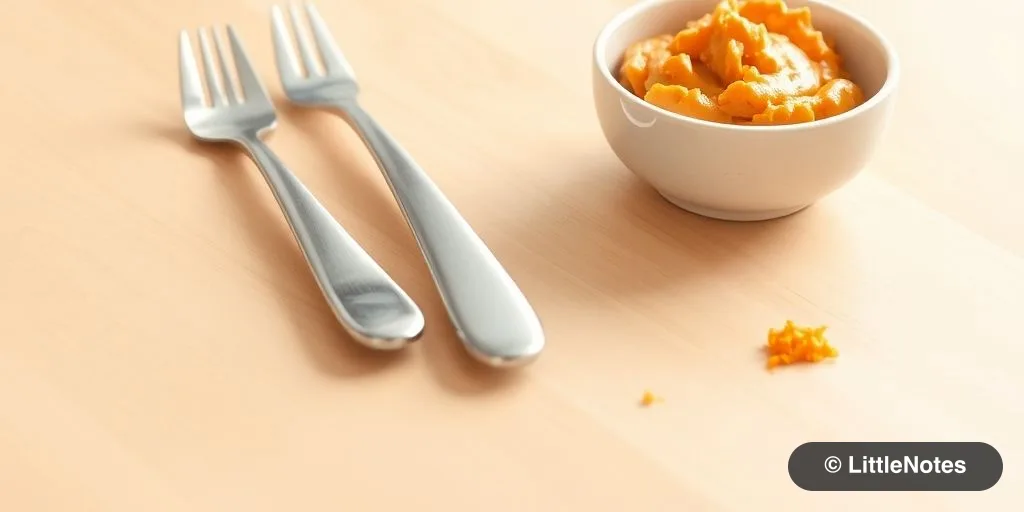
When teaching babies to self-feed, look for stainless steel spoons and forks that feature a smaller head for their tiny mouths and a handle…
During illness or diarrhea, track your baby's hydration by ensuring they have a wet diaper at least once every six hours.
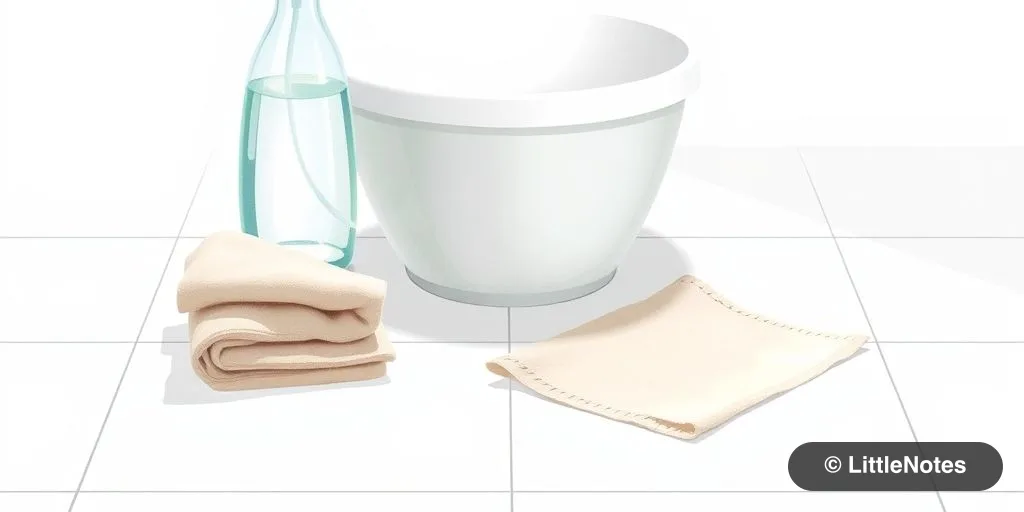
Use a spray bottle to clean the potty basin, followed by a thorough wipe-down with a dedicated cloth and occasional soap wash for hygiene.
When looking for a scooter for a toddler, sturdiness and safety are top priorities. Many parents recommend well-known sports retailers for t…
For a durable scooter for a 2-year-old, the Decathlon model is highly recommended for its sturdiness. R for Rabbit scooters are also a great option if you are looking for something colorful and reliable.
A scooter is a rite of passage for many two-year-olds, offering a great way to build balance and gross motor skills. If you're currently in the market for a first ride-on, here is how to pick one that lasts. What to Look For Stability: At age two, focus on three-wheeled scooters rather than two-wheeled ones. They provide the necessary base for your child to …
If you are five or more months postpartum and noticing significantly more hair in your brush or the shower drain, you are not alone. Postpartum hair loss is a very common experience for many parents. Why Does It Happen? During pregnancy, elevated hormone levels often keep your hair in a “growth” phase, meaning you lose less hair than usual. Once those hormon…
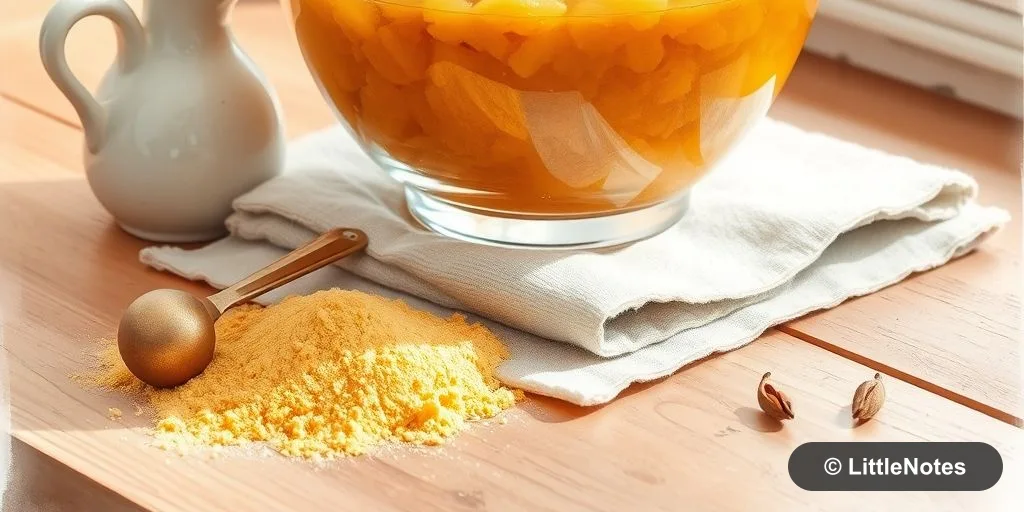
When a recipe calls for butter or ghee, substitute with olive oil or other plant-based oils to make items like besan sooji halwa dairy-free.
Brands often carry both vegan and dairy-based products; always read the full ingredient label carefully before consuming to ensure safety for a baby with CMPA.
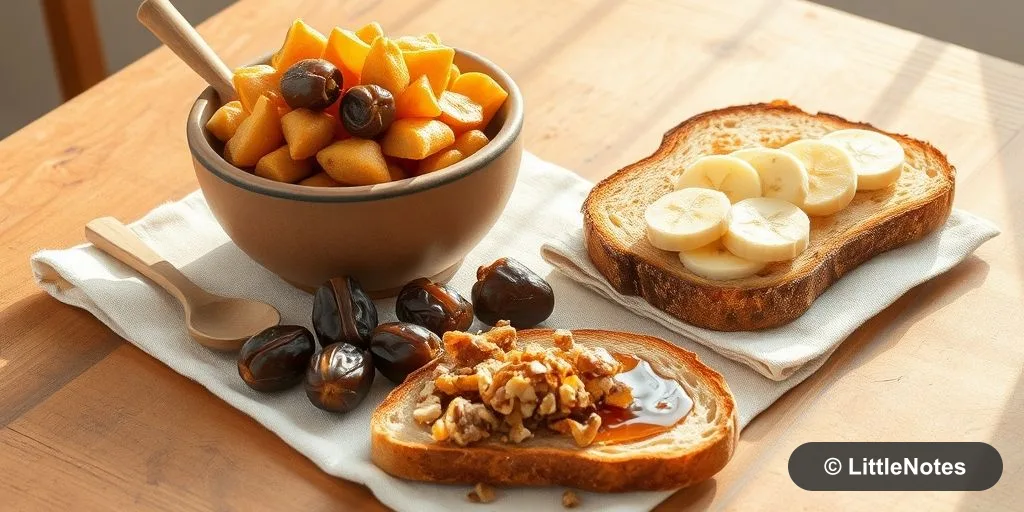
Satisfy cravings by preparing simple homemade snacks like roasted makhana with jaggery, dates stuffed with nuts, or toasted sourdough with banana and maple syrup.
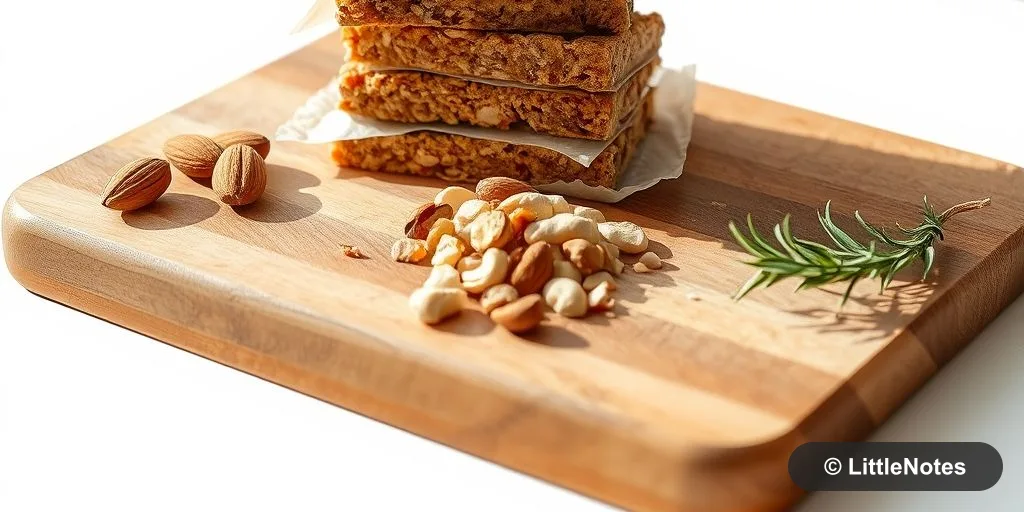
Many dairy-free processed snacks rely on almond or nut flours; ensure these ingredients are safe for your child if they have additional nut allergies.
Managing cravings while following a dairy-free diet for a breastfeeding baby is challenging, but many satisfying alternatives exist. You can…
If you are breastfeeding a baby with Cow Milk Protein Allergy (CMPA), you know the struggle of navigating festive seasons and family gatherings while on a strict dairy-free diet. It is completely normal to miss your favorite treats, but you don't have to sacrifice flavor to keep your baby safe. Smart Snacking and Substitutions When cravings strike, focus on …
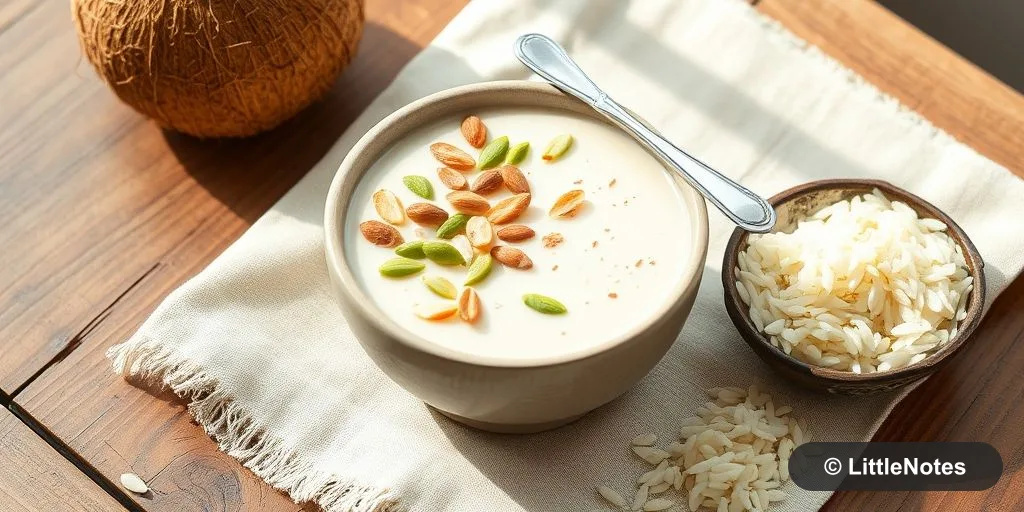
Substitute dairy milk with coconut milk when making rice or makhana kheer to enjoy a creamy, dairy-free version of traditional desserts.
It is normal for milk intake to fluctuate slightly after starting solids, especially after illness or during growth spurts. Monitor hydration (pee count) and energy levels rather than focusing strictly on the volume of milk consumed.