Community-powered wisdom for first-time parents
Tips on feeding, sleep, milestones, and more — shared by parents who've been there.
Browse tips & articles by topic
Ask questions & share experiences
Comprehensive health screenings are a proactive way to catch potential issues early, offering a more hospitality-focused experience compared…
As new parents, we spend so much time monitoring our baby’s health that our own annual checkups often fall to the bottom of the list. However, staying on top of your health is one of the most important things you can do for your family. Why Proactive Screening Matters Many modern health screening centers are moving away from the “clinical” feel, making the e…
When booking comprehensive health screenings, choose the earliest available time slot to minimize wait times for consultations and ensure a smoother overall experience.
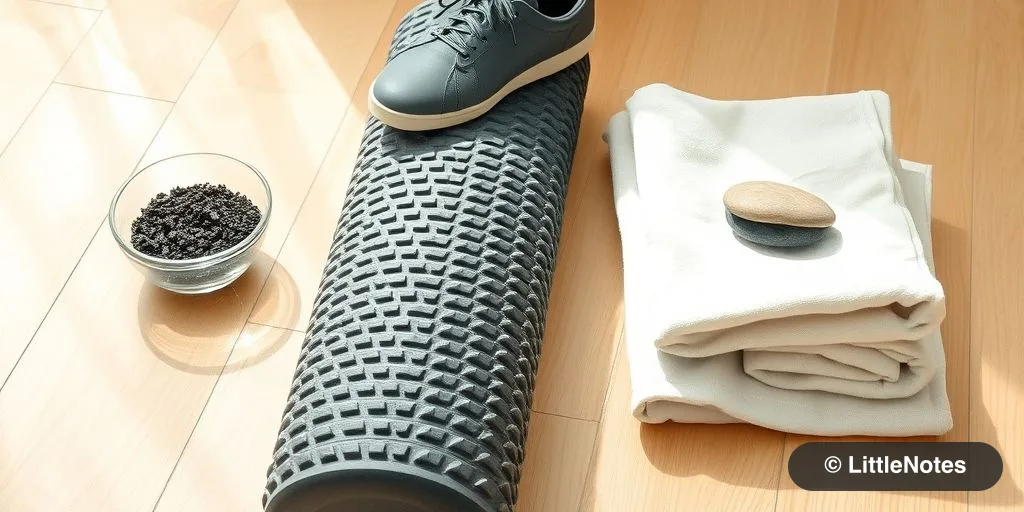
To relieve plantar fasciitis, freeze a small water bottle and roll it under your foot every morning before taking your first step. This helps reduce inflammation and eases morning pain.
Teething can be an uncomfortable phase for both baby and parent. If your little one is showing signs of gum irritation, there are several gentle, at-home methods to provide relief. Cold Relief: Chilled items are highly effective at numbing sore gums. You can offer chilled carrot sticks or apple slices (always supervised to prevent choking). Some parents also…
Is your baby doing gymnastics in their crib at night? It’s common for babies around 6–9 months to go through a phase of constant tossing, turning, and shifting positions. While it can be exhausting, it is often just a byproduct of their developing brain and physical autonomy. Why does it happen? As babies learn to roll, crawl, or shift their weight, their bo…
If your baby is twisting and turning in bed, they may simply be looking for more space to move as they develop new motor skills. Often, a gentle pat is enough to help them settle back to sleep.
Encouraging boys to sit down to pee is a cleaner practice for the home. It is considered a normal, standard practice in many parts of the world.
For high-quality magnetic tiles that stay connected, brands like Magna-Tiles, Geltiles, and Tegu Toys are highly recommended by parents for their durability and strong magnets.
Magnetic tiles are a fantastic open-ended toy for toddlers, but quality can vary significantly. Parents often suggest investing in well-esta…
Watching a little one struggle with a cough or a blocked nose is one of the toughest parts of parenthood. When little ones are congested, especially at night, it can feel like no one is getting any sleep. While persistent or severe symptoms should always be evaluated by your pediatrician, here is the collective wisdom on managing comfort at home. Managing Ni…
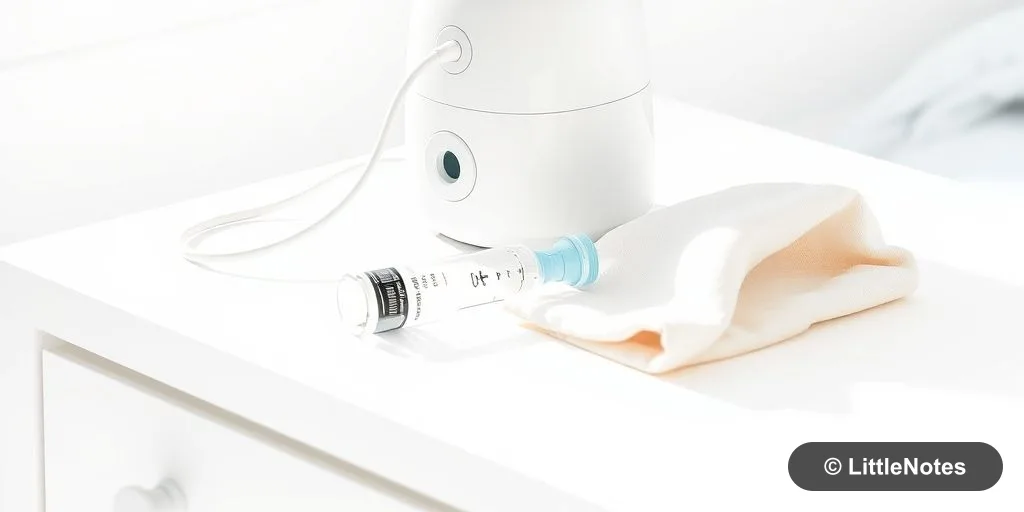
For chest congestion, pediatric-friendly saline nebulization can help loosen mucus, allowing the baby to breathe more easily.
Seeing your baby deal with a chesty cough can be stressful, but there are gentle ways to help them find relief. If your pediatrician confirms your baby has chest congestion, maintaining proper hydration is key. Warm, flavorful soups or regular nursing sessions can help thin out mucus. For targeted relief, many parents find saline nebulization highly effectiv…
Many parents experience foot pain, such as plantar fasciitis, in the months following delivery. If you are dealing with persistent heel or arch pain, you are not alone. This condition often stems from a combination of hormonal changes, weight changes, and increased time on your feet. Here are some actionable ways to manage the discomfort: Invest in Support: …
Postpartum foot pain, such as plantar fasciitis, is often aggravated by improper footwear or sudden changes in activity. Prioritize wearing…
Managing childcare when a nanny takes a long leave can be stressful. To provide some peace of mind, consider assisting with a confirmed retu…
To ensure your nanny returns from a long leave, ask for a confirmed return ticket. If you do not see a confirmed booking 15 days before the expected date, inform her that you will begin looking for a replacement to be fair to both parties.
If your toddler is struggling to wind down, try reading long-form stories in dim lighting with no pictures. This can help make the activity less stimulating and more conducive to sleep.
Healing diastasis recti is a gradual process that can take several months of regular, targeted exercise, so be patient and avoid comparing your timeline to quick-fix claims online.
It is completely normal to feel discouraged when your progress doesn't match what you see online, but healing is a highly individual journey…