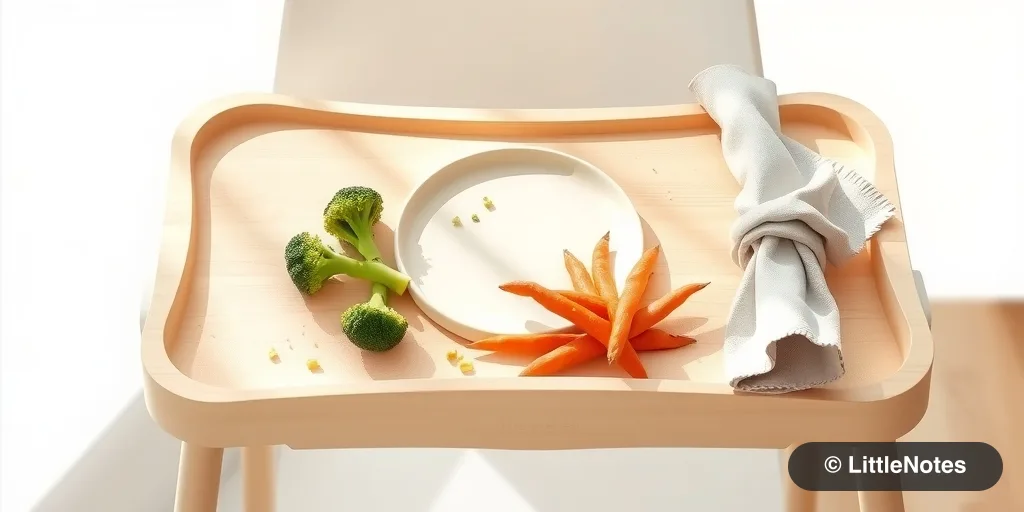
Watching your baby show interest in holding their own food is a milestone worth celebrating! If your little one is eager to skip the spoon and dive into finger foods, it’s natural to feel a bit nervous about choking. Here is how to navigate this exciting transition safely.
Understanding Gagging vs. Choking One of the most empowering things you can do is learn the difference between gagging and choking. Gagging is a natural reflex—it’s how a baby moves food forward to avoid choking. It can sound loud and look dramatic, but it’s a normal part of learning to eat. Choking, however, is silent and happens when an airway is blocked. Familiarizing yourself with the signs of each can help you stay calm and confident at the dinner table.
Safety Tips for Finger Foods
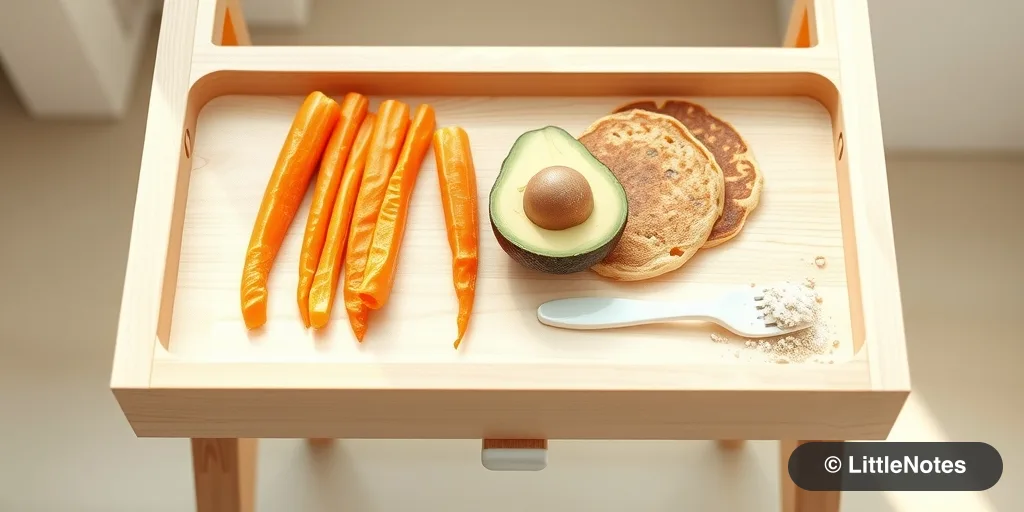
- The Two-Finger Test: A great rule of thumb is to serve food in wedges roughly two fingers wide. If the food is soft enough to be squished easily between your own two fingers, it is generally safe for a baby to handle.
- Use Helpful Resources: Apps like Solid Starts are excellent, evidence-based tools that show you exactly how to safely prepare and serve almost any food for different developmental stages.
- Start with Texture: If you are nervous, begin with foods that are naturally soft, like ripe avocado, banana, or steamed vegetable sticks. For items like eggs, which can crumble, try making thick omelet strips or pancakes using ingredients like dosa batter, oats, or mashed avocado to give them more structure and make them easier for little hands to grip.
- Avoid Thin Pieces: Thin, crumbly pieces are harder for babies to manage and often cause frustration. Aim for thicker, sturdier pieces that won't disintegrate the moment your baby picks them up.
Remember, every baby develops at their own pace. If your baby is interested, continue to offer safe options and let them explore. For specific dietary introductions or concerns about allergies, always consult your pediatrician.


Comments