Your toddler knows when they need to go. They communicate it clearly. They even find a corner to do their business. But the potty seat? Absolutely not. If this sounds familiar, you are not alone — potty seat refusal is one of the most common hurdles parents face.
Why they resist
Toddlers around 18-24 months are deep in their independence phase. They want control over everything, and the potty seat feels like something being imposed on them. Even if they understand the concept from books, doing it themselves is a different story entirely.
Make the potty their space
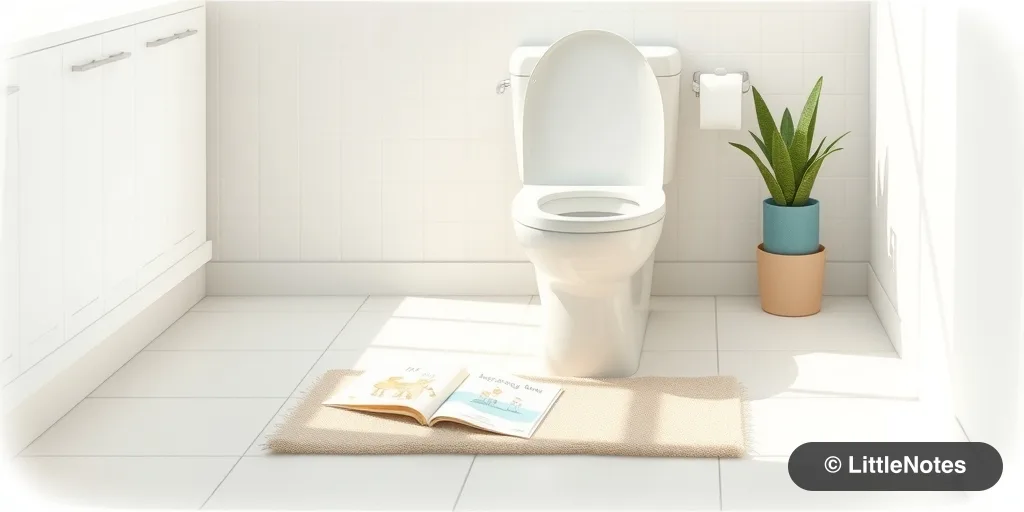
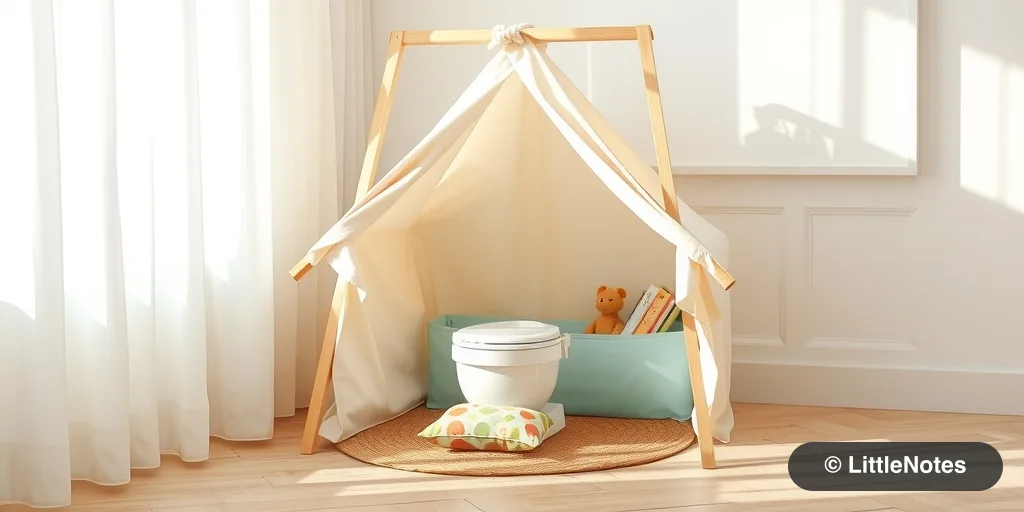
Instead of bringing your child to the bathroom, try bringing the potty to them. Let them choose a corner they like and set it up with books or toys. Some parents have created potty tents for privacy — toddlers love having their own little space.
Dedicated potty-only activities
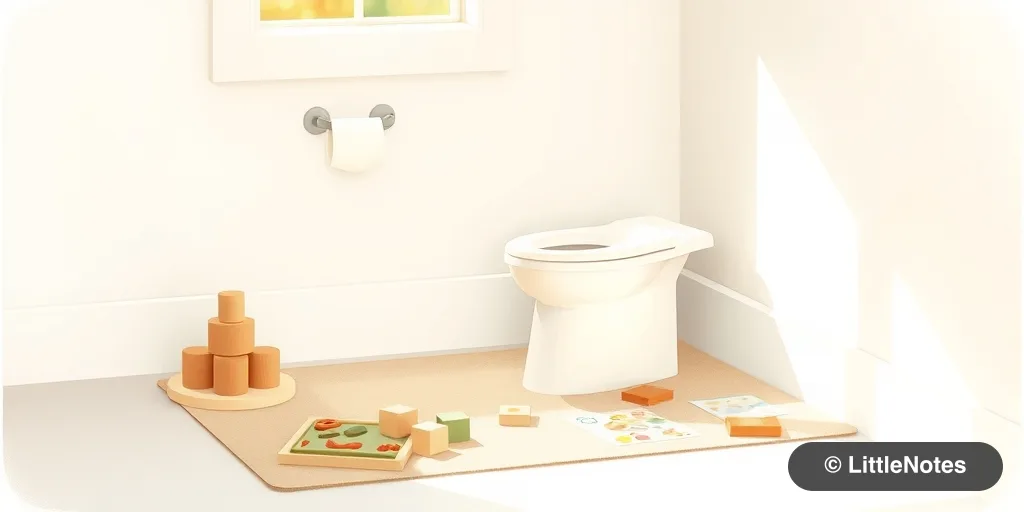
Keep special books, stickers, or small toys that only come out during potty time. This creates a positive association and gives them something to look forward to. Cream containers to stack, a favourite keychain toy, or a special puzzle — anything that makes sitting on the potty feel like a fun activity rather than an interruption.
The pretend play approach
One creative strategy that has worked for many families: set up a pretend potty booth using play mats as walls. Everyone in the family takes turns using the booth (pretending, of course). The toddler gets involved in the game and ends up being the only one who does the actual business.
Let them choose their seat
Take your toddler potty shopping and let them pick one they like. Having ownership over the choice can make them much more willing to use it. Some children prefer a standalone potty over a seat that goes on the regular toilet.
Back off when resistance peaks
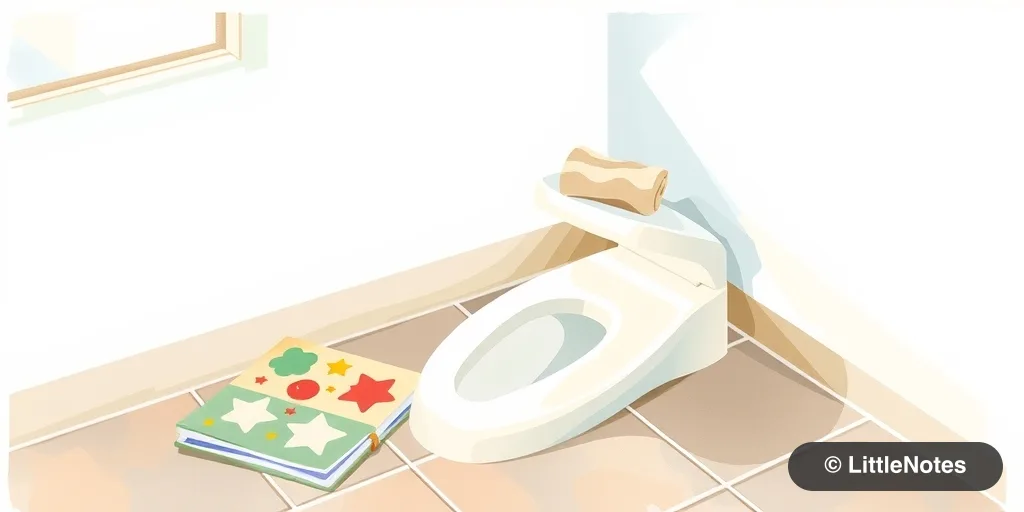
If every potty attempt turns into a power struggle, step back for 2-3 days. Do not mention the potty at all. Then reintroduce it casually. Consistency matters, but so does knowing when to ease off pressure.
Building the routine
Once your child shows any willingness, take them to the potty every couple of hours to build a routine around it. Keep the mood light, celebrate any success enthusiastically, and never punish accidents. The goal is making it feel natural, not forced.



Comments