For many breastfeeding parents, pumping is a game-changer that provides flexibility and peace of mind. However, understanding how to store that "liquid gold" correctly is essential for maintaining its quality and safety for your baby.
Where to Store Your Milk
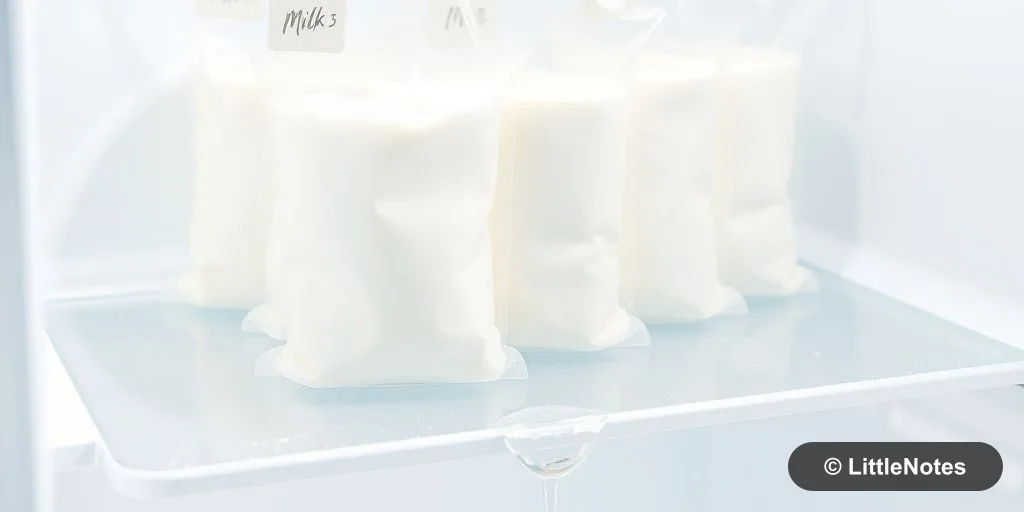
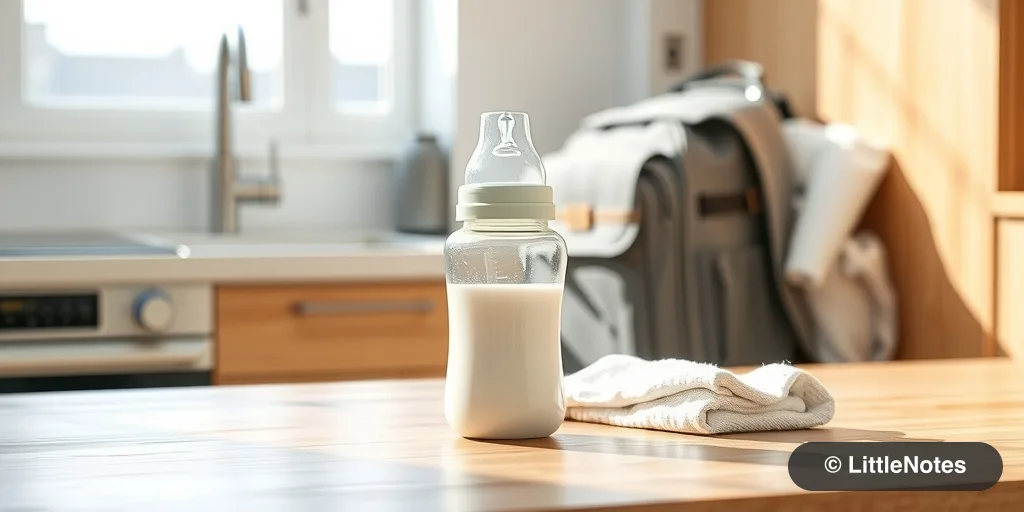
When you pump, where you put the bottle matters. Always store breast milk in the main compartment of the refrigerator, rather than the door. The temperature in the door fluctuates every time the fridge is opened, which can compromise the integrity of the milk. The main body of the fridge remains at a more consistent temperature, ensuring your milk stays fresh.
Shelf-Life Guidelines
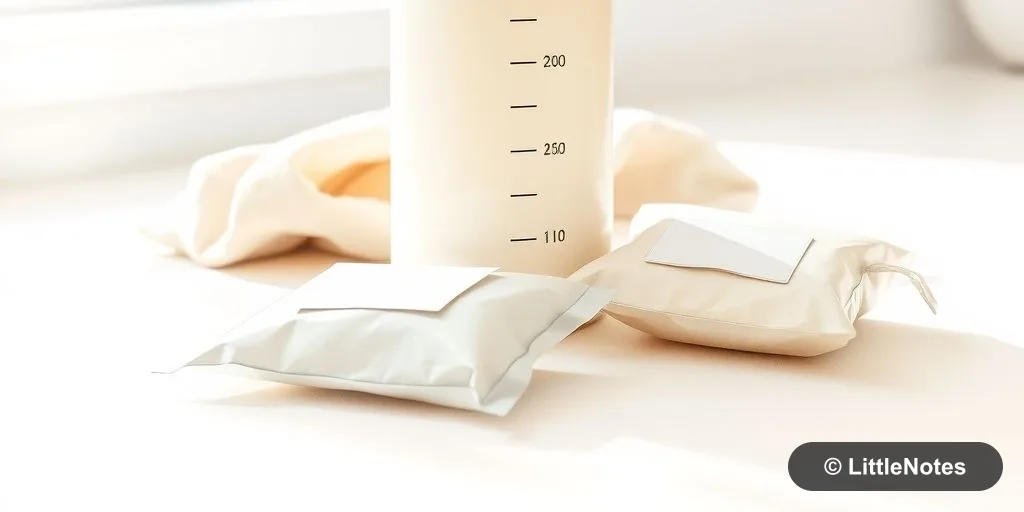
Breast milk is remarkably resilient, but it does have limits. Generally, freshly expressed breast milk can be stored in the refrigerator for up to 3 to 4 days. If you find yourself with an oversupply, you can store it in the freezer for up to 6 months (though 3 months is often considered optimal for nutrient retention).
Important Safety Tips
- Power Reliability: If you are storing milk long-term in a freezer, ensure that your home has a reliable power supply. A consistent temperature is vital to prevent spoilage.
- Labeling: Always mark your milk bags or bottles with the date they were pumped. This ensures you are using the oldest milk first, following the "first-in, first-out" rule.
- Consistency: If you are a daily pumper, keeping a rotation going is a great way to ensure your baby is always getting the freshest milk possible.
Note: If you have specific concerns about your baby's health or milk storage guidelines, always consult your pediatrician for the most current advice.



Comments