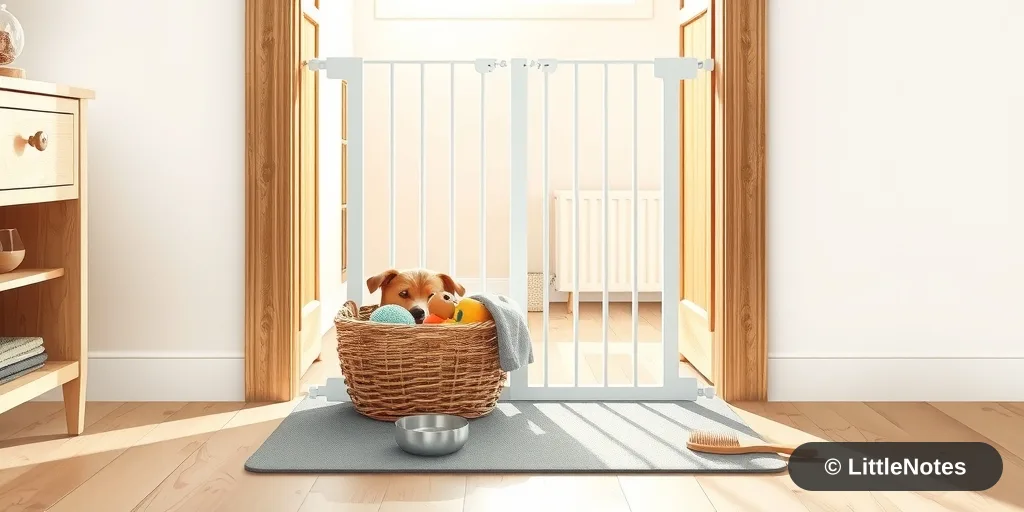
Bringing a baby into a home with pets requires a bit of creative strategy, but it is entirely manageable with some planning. The goal is to keep the baby’s curiosity away from pet supplies (like litter boxes, food, and water) while maintaining a safe environment for your furry friends.
Elevate the Essentials: For cats, the simplest solution is to move food, water, and litter boxes to higher surfaces or areas that are physically inaccessible to a crawling baby. When your baby starts to walk, you can use baby-safe door stoppers to create a gap in doors—just wide enough for a cat to slip through but narrow enough to keep a toddler out.
Toy Safety: Keep cat toys—especially those with wands, ropes, or wires—stored away when not in use, as these can be hazardous for a curious toddler. If you have catnip toys, store them on a high shelf (like the top of the fridge) where the cats can still reach them, but the baby cannot.
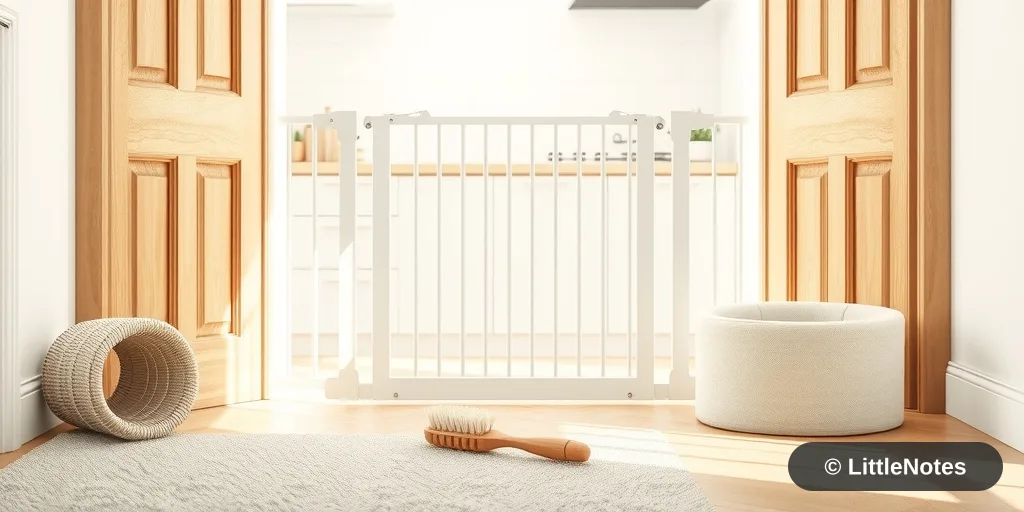
Hygiene and Interaction: Vacuuming regularly is essential, especially as your baby enters the 'lick-and-bite-everything' phase. Most importantly, always supervise interactions between pets and infants. Use these moments to gently teach your child how to pet animals with a soft touch. Rest assured, the intense need to baby-proof these areas is usually just a phase—as your child grows and learns boundaries, you’ll be able to move things back to their original spots.


Comments