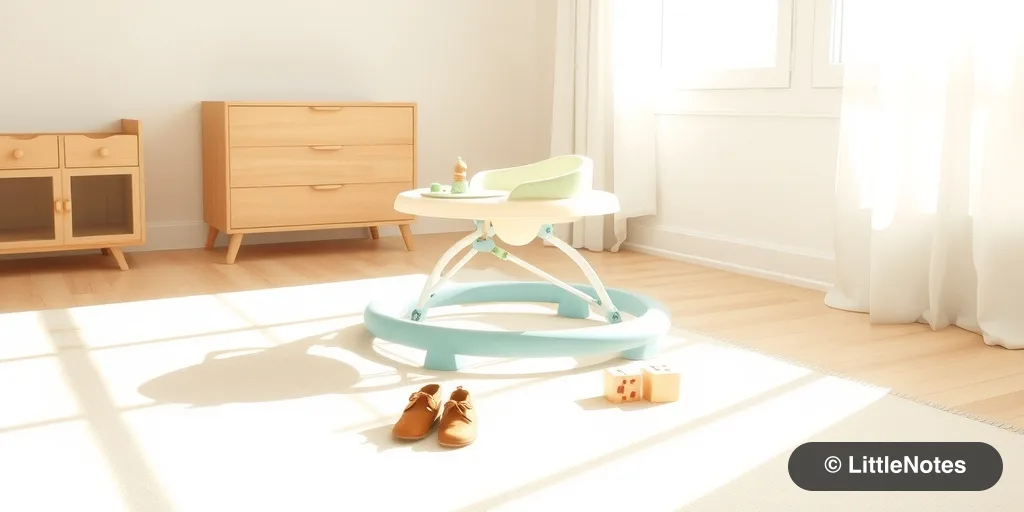
When you see your little one eager to explore the world on their own, the idea of a baby walker can be very appealing. However, pediatricians and child development experts generally advise against their use. Here is why skipping the walker is often the best choice for your child’s development.
The Developmental Risks
Walkers don't actually teach babies how to walk. In fact, they can hinder the process. Here is what to keep in mind:
- Muscle Development: When a baby is in a walker, they aren't using their core and leg muscles the same way they would while crawling, cruising, or eventually walking on their own. Walkers can delay the natural development of the balance and coordination skills needed for independent movement.
- Safety Concerns: The most significant issue with walkers is the risk of accidents. Walkers can make babies much faster and taller, allowing them to reach things they wouldn't normally be able to touch (like table edges, cords, or hot surfaces). They also pose a significant risk of toppling over, especially on uneven floors or near stairs.
Healthy Alternatives
If you want to support your baby’s desire to move and explore, there are much safer and more beneficial options:
- Floor Time: Giving your baby plenty of time on a safe floor surface encourages them to crawl, roll, and reach, which are the fundamental building blocks of walking.
- Stationary Activity Centers: If you need a safe place to put your baby down while you attend to chores, consider stationary jumpers or activity centers that don’t move across the floor.
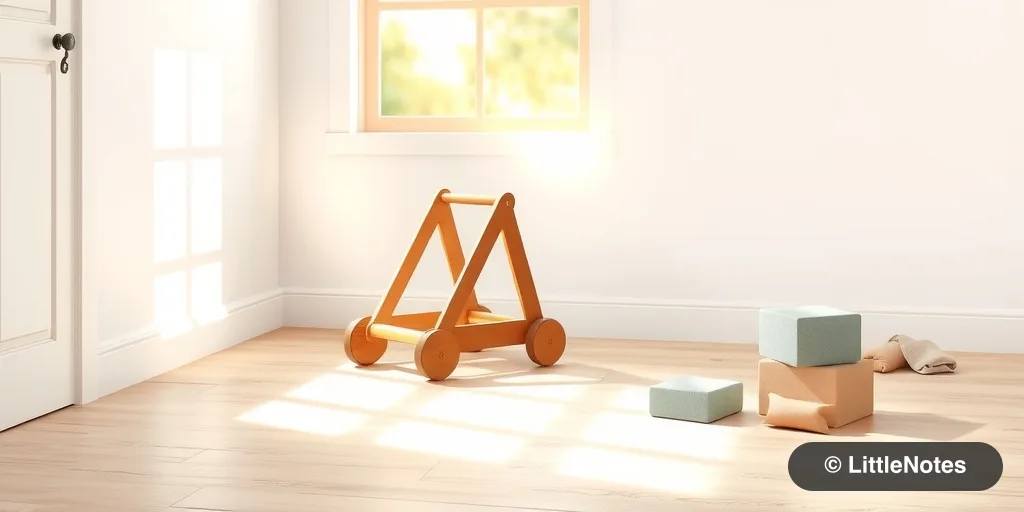
- Push Wagons or Walkers: Once your child is ready to start cruising, push-along toys (where the baby stands behind and pushes the device) are generally considered safer because they require the child to be upright and using their own muscles to balance. Always ensure these are sturdy and can’t be easily tipped over.
Note: If you have questions about your child's physical development or readiness for walking, always consult your pediatrician.




Comments