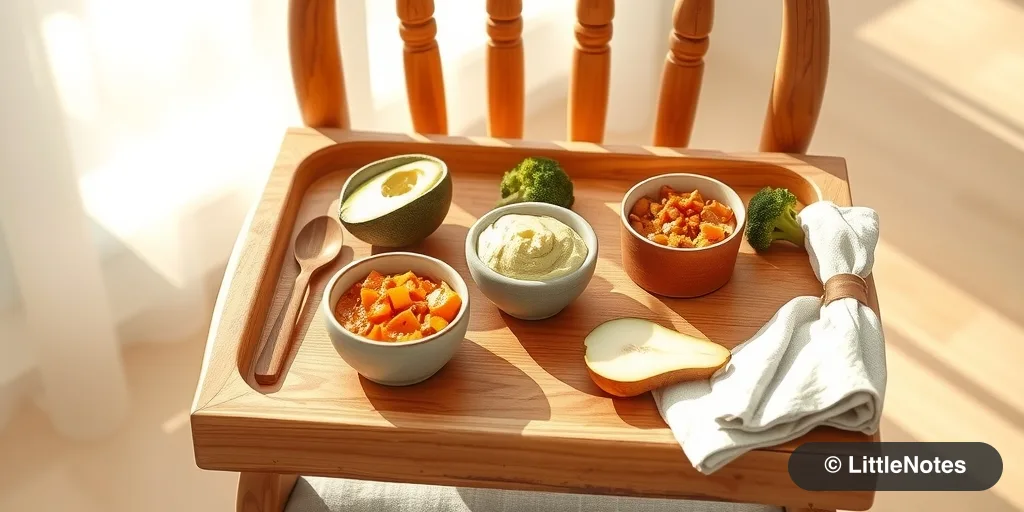
If you feel like your baby is stuck in a mealtime rut, you aren’t alone. Around 7 to 9 months, many babies begin to move past the “single-ingredient” phase and show a preference for more complex, combined flavors. If your little one seems bored with plain ragi, oats, or basic vegetable purées, it might be time to shake things up.
The Power of Combos
Many parents find that babies who reject plain porridge or single vegetable mashes often respond better to flavor combinations. The key is to introduce pairing early on to expand their palate.
- Sweet & Creamy: Combining nutrient-dense healthy fats like avocado with banana can transform a bland meal into a favorite.
- Veggie-Grain Pairings: Incorporating pureed pumpkin, carrot, or broccoli into porridges like barley or makhana provides both texture and vitamins.
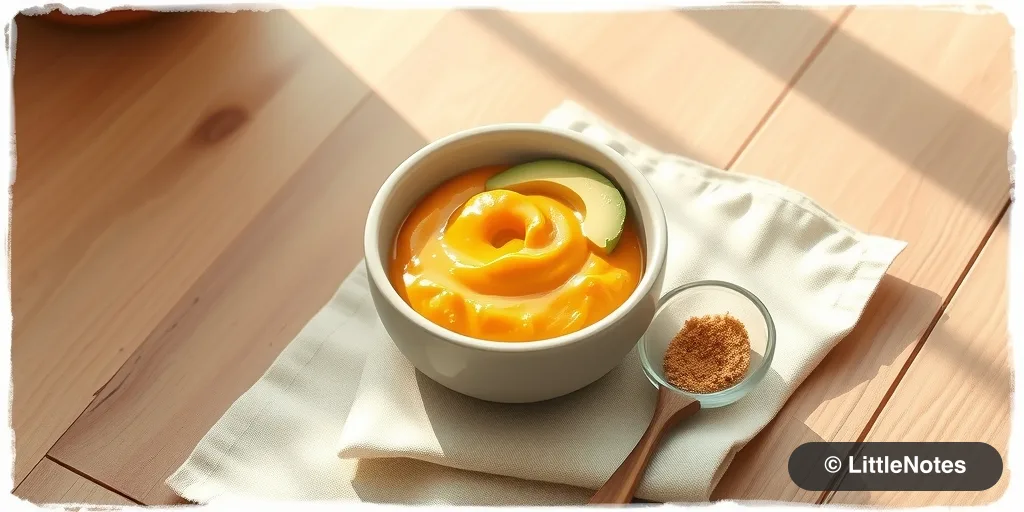
- Savory Additions: Don't be afraid of mild, digestive-friendly spices. A pinch of cumin (jeera) powder can add depth to vegetable porridges and may help prevent bloating. Similarly, mixing in small amounts of nut pastes (like soaked and ground cashews) or seed powders (like pumpkin seed powder) can significantly boost the calorie and nutrient density of a simple porridge.
Expanding Your Meal Prep Toolkit
If your baby refuses standard dal-chawal or plain steamed vegetables, experiment with texture and form. Instead of traditional mashes, consider:
- Neer Dosa: These can be made with vegetable purees (like beetroot or spinach) mixed directly into the batter.
- Nutrient-Dense Porridges: Use amaranth, makhana, or barley as a base. You can sweeten these naturally with fruit purees or keep them savory with vegetable purees.
- Strategic Soaking: Soaking nuts overnight and grinding them into a fine paste with a mortar and pestle is a game-changer. This creates a smooth texture that integrates easily into any meal without the risk of large chunks.
A Note on Dairy
If you are introducing yogurt, look for high-quality, reliable brands that prioritize clean sourcing. If you find your baby is rejecting cow’s milk, remember that this is a common phase. Continue to offer it in small amounts in various temperatures, but prioritize hydration through breastmilk or formula as directed by your pediatrician.
Remember, every baby is different. What one baby loves, another might refuse. Keep offering a variety of textures and combinations, and always consult your pediatrician before introducing new potential allergens like tree nuts. Keep the pressure low and the exploration high—mealtime is a journey, not a race!







Comments