When you’re trying to move away from processed bread as a morning staple, the question of what constitutes a 'complete' breakfast for a growing 3.5-year-old often comes up. While eggs are an incredible powerhouse of protein and healthy fats, many parents wonder if they are enough on their own.
From a nutritional perspective, a balanced plate for a toddler typically includes a mix of carbohydrates, protein, fats, and fiber to keep their energy steady until their next snack or meal. If you want to elevate an egg-based breakfast without relying on bread, consider these nutrient-dense pairings:
- Complex Carbohydrate Swaps: Instead of standard bread, try serving eggs alongside a small bowl of porridge (using rolled oats or quinoa) or even a side of roasted sweet potato cubes for sustained energy.
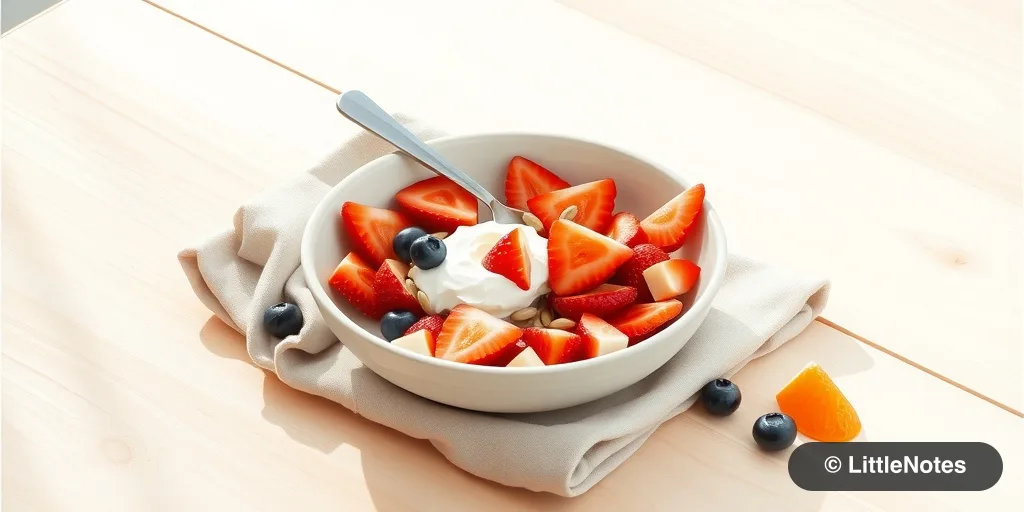
- Healthy Fats and Fiber: Enhance the plate with a side of sliced avocado or a sprinkle of seeds (like sunflower, pumpkin, or flax) mixed into a yogurt base. These add crucial textures and micronutrients that complement the protein in the egg.
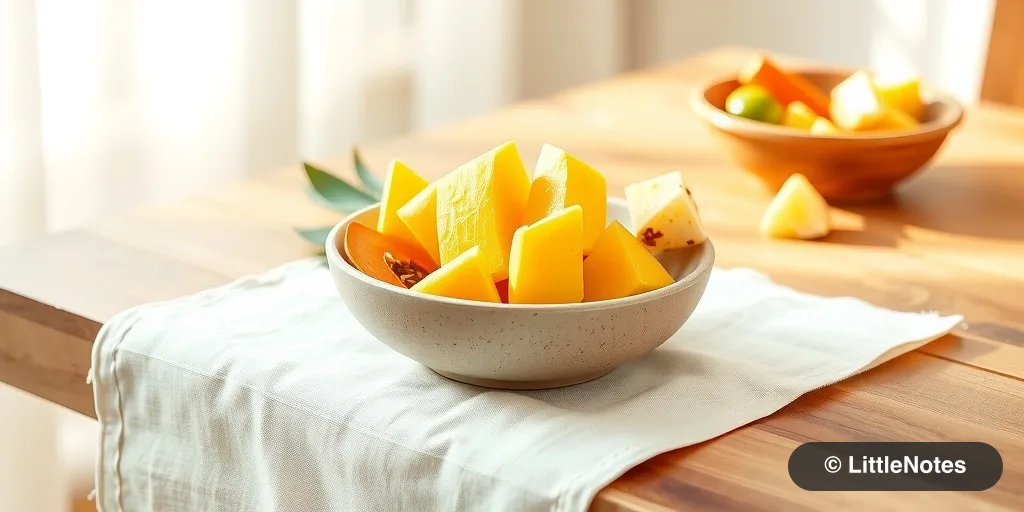
- The Power of Fruit: Never underestimate the importance of fresh fruit to round out the meal. A side of berries, melon, or papaya provides essential vitamins and hydration, making the meal feel more complete and satisfying for a young child.

If you are baking at home to add variety, try using powdered rolled oats in your recipes. This trick helps create a better texture for homemade snacks like muffins or cookies, avoiding the 'soggy' issue often associated with instant oats or the chewiness of whole rolled oats.
Remember, breakfast is also a great opportunity to introduce new textures and flavors. By focusing on a combination of whole grains, healthy fats, and proteins, you provide your child with a well-rounded start to the day. As always, if you have specific concerns about your child's nutrition or intake, consult your pediatrician to ensure their needs are being met during this high-growth phase.


Comments