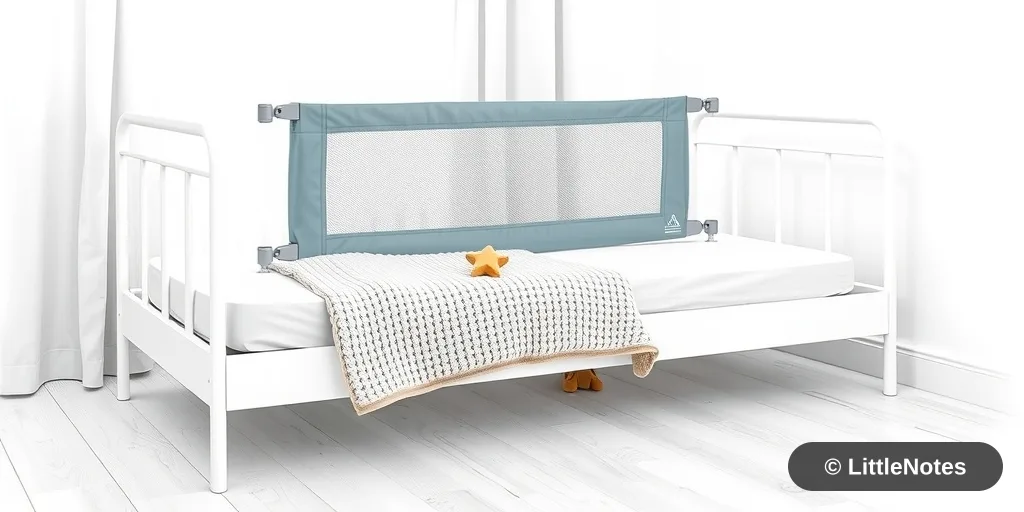
Once your little one starts rolling, the world suddenly feels much smaller—and your bed feels much higher. For many parents, the transition to active rolling makes the prospect of a nap or a night’s sleep feel like a high-stakes game of vigilance. If your baby spends time on your bed, installing bed rails is a practical way to create a secure environment.
Are Bed Rails Necessary?
If you share your bed with your baby, bed rails are a vital safety addition. They prevent accidental falls when your baby is unattended or sleeping. Even if you co-sleep, they provide an extra layer of protection against the edge of the mattress.
Selecting the Right Rail
There are several brands available, and parent experiences vary significantly regarding sturdiness. When shopping, look for:
- Locking Mechanisms: Rails that lock at both the top and bottom tend to offer significantly more stability than those that only secure at the base.
- Coverage: Depending on your bed setup, you may need a rail that covers three sides to ensure maximum protection.
- Quality Considerations: Some parents find that entry-level models can feel flimsy. If possible, opt for brands known for robust materials or look for versions that allow for structural reinforcement, such as using an 'L' clamp to connect multiple rail sections.
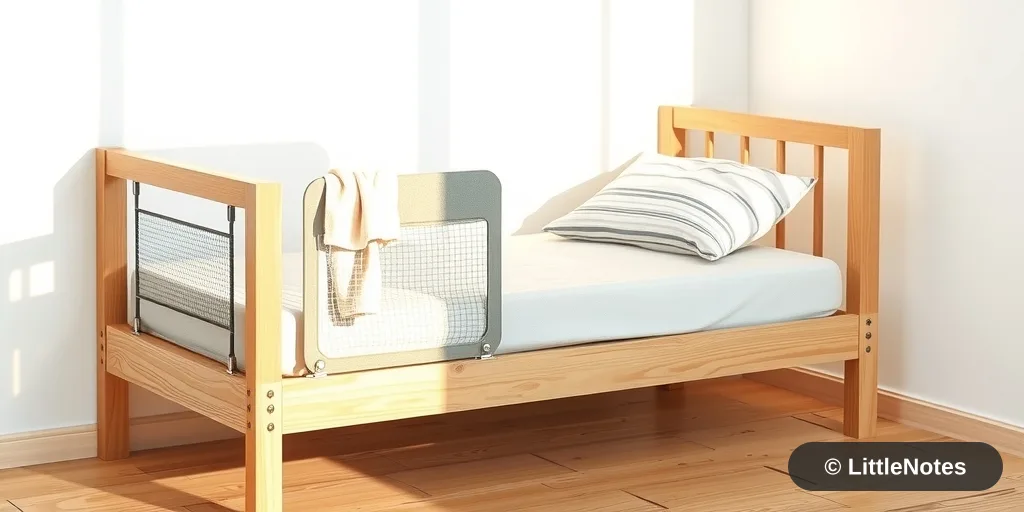
Installation Advice
While many bed rails are marketed as easy to install, don’t hesitate to enlist the help of a carpenter if you find the DIY installation challenging. A well-fitted rail is safer than one that isn't perfectly flush with the mattress.
Always ensure that there is no gap between the mattress and the rail where a small baby could potentially become trapped. Consult your pediatrician regarding safe sleep guidelines for your baby’s age and developmental stage.



Comments