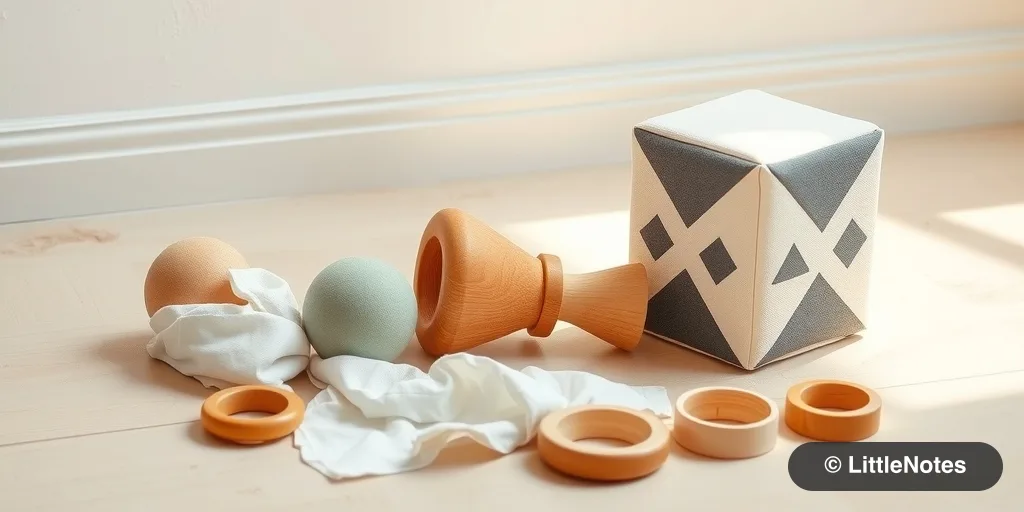
The toy market is flooded with gadgets that claim to boost sensory development, but many parents find that "less is more." If you’re looking to build your collection, here is some insight based on what actually keeps babies interested.
The Hit List
- Touch-and-Feel Books: Hardcover books with varied textures are consistently popular. They provide a tactile experience that captures a baby’s attention better than soft, flimsy alternatives. Look for books with high-contrast images and different fabric inserts.
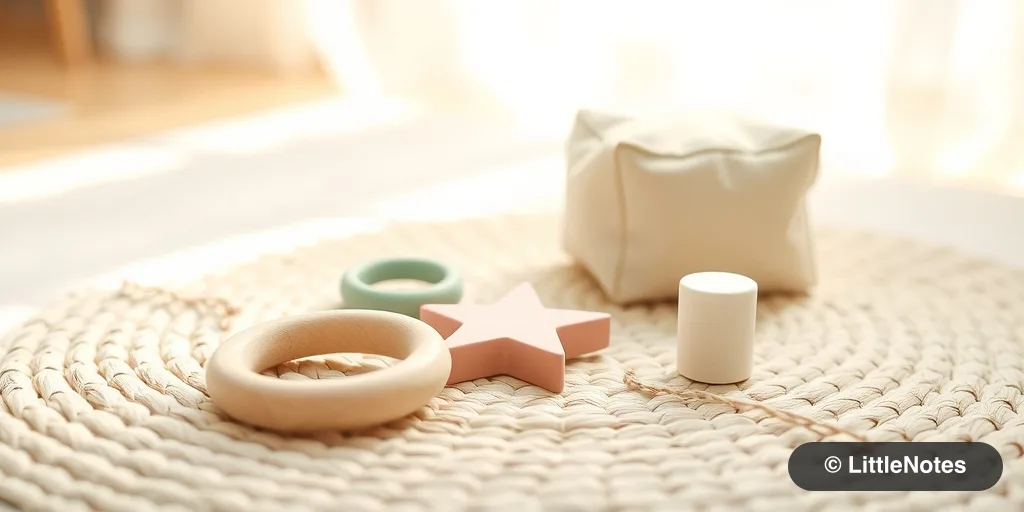
- Textured Fabrics: Sometimes, everyday household items like different types of fabric scraps can be more fascinating to a baby than expensive "sensory" toys.
- Play Gyms: These are great for flat-lay babies. When choosing one, look for a model with a stable, attached mat so it stays in place as your baby starts to wiggle and kick. Avoid structures that are too light, as babies can easily pull them down, which can become a hazard once they develop a stronger grip.
What to Skip
- Overly Complex "DIY" Sensory Bags: While popular on social media, many sensory bags made with zip-locks and fillers (like water or peas) become chewing hazards the moment a baby grabs them. These may be safer and more effective once your baby is a bit older and has moved past the "everything goes in the mouth" phase.
- Flimsy Inflatable Mats: Many parents find that inflatable tummy-time mats can be non-ergonomic, and the outer rims can sometimes be uncomfortable for the baby during floor play.
The Bottom Line Babies are naturally curious. You don't need a nursery full of fancy equipment. Simple, high-quality items—especially those that allow them to explore textures—will provide plenty of engagement for your little one.



Comments