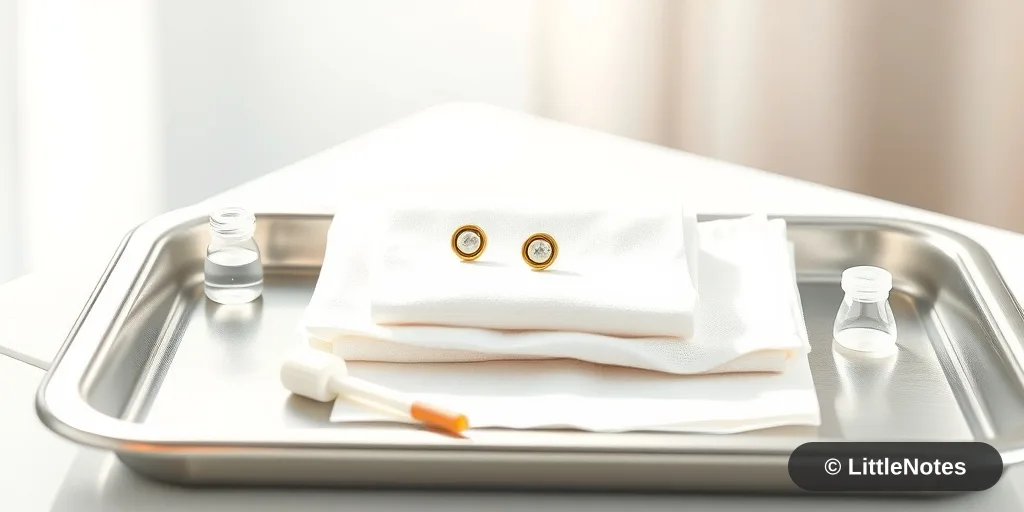
Deciding when and how to pierce your baby’s ears is a personal choice, but once you decide to move forward, safety and hygiene should be the top priorities. Many pediatricians and parents suggest that the earlier the procedure is done, the easier it can be, as younger infants may be less prone to pulling at the earrings.
Choosing a Method There are two main approaches parents typically consider:
- Traditional Method: Often done by specialists who come to your home. When performed by an experienced professional, this can be a very neat and quick process with minimal distress to the baby.
- Medical/Clinical Piercing: Having a nurse or ENT specialist perform the procedure, often using a sterile, gunshot piercing tool. This method is highly recommended because it uses sterile, single-use containers and hypoallergenic or gold earrings. The use of a numbing cream applied 15–20 minutes before the procedure can significantly reduce discomfort.
Post-Piercing Care If you notice redness, swelling, or signs of infection (like pus), take action immediately.
- Keep it Clean: Use a sterile saline solution to gently clean the area a few times a day.
- Topical Care: If advised by your pediatrician, a thin layer of over-the-counter antibiotic ointment (such as bacitracin) can help clear up minor infections.
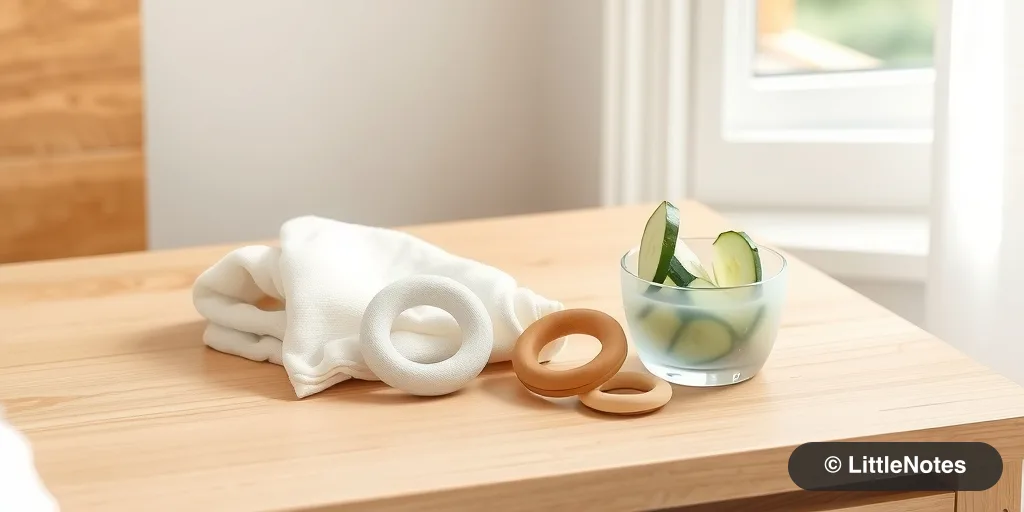
- Comfort Measures: A warm (not hot!) compress can help soothe a tender or inflamed ear lobe, though some babies may be too sensitive to allow you to touch the area.
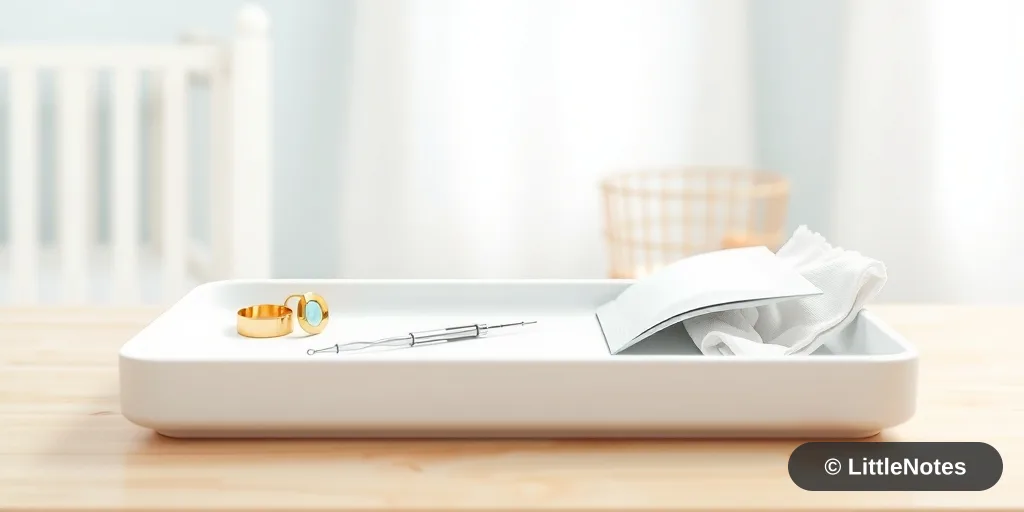
Always discuss the timing and method with your pediatrician, especially regarding the type of metal used, to prevent allergic reactions. If your baby remains in significant pain despite proper care, do not wait—contact your doctor for a professional assessment.




Comments