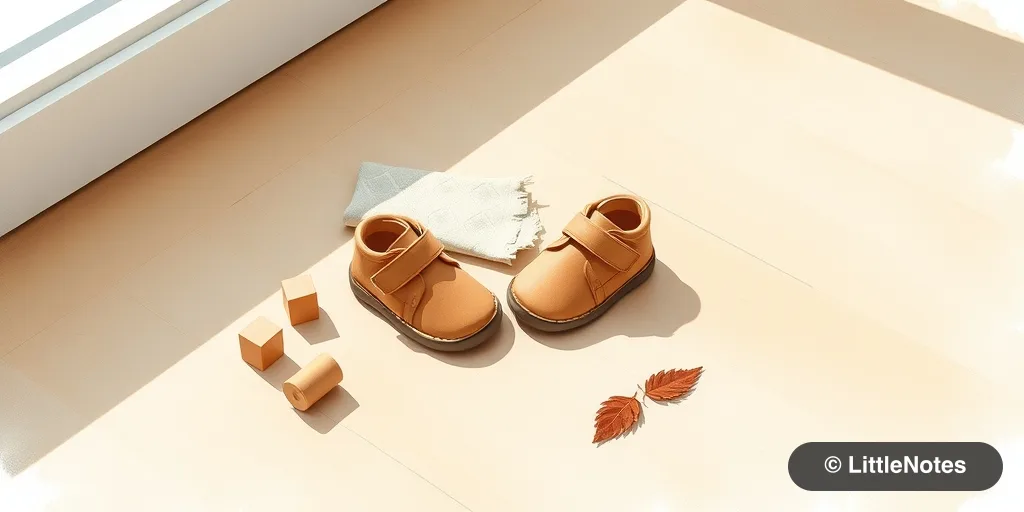
Watching your little one take those first independent steps is a magical milestone. Naturally, the excitement of walking often leads to a common question: When does my toddler actually need shoes, and what should I be looking for?
Barefoot is Best at Home
It is a common misconception that infants need shoes as soon as they start cruising or pulling to stand. In reality, pediatric experts and experienced parents alike agree that 'barefoot is best' when your child is indoors. Allowing your toddler to go barefoot helps them grip the floor, improves their balance, and strengthens the small muscles in their feet and ankles. It also provides vital sensory feedback as they learn to navigate different textures.
When Shoes Become Necessary
Shoes are primarily for protection against the elements—hot pavement, rough surfaces, or cold weather—rather than for 'ankle support.' If your child is walking outside, look for shoes that mimic the barefoot experience as closely as possible.
What to Look For
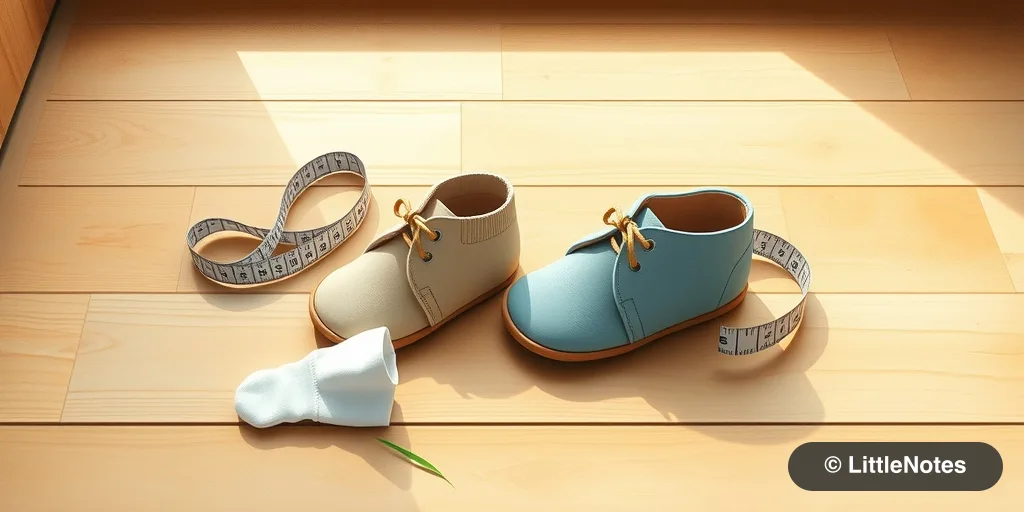
When you are ready to make that first purchase, keep these criteria in mind:
- Flexibility: The sole of the shoe should be thin and bendable. If you can’t easily twist or bend the shoe with your hands, it’s likely too stiff for a developing foot.
- Wide Toe Box: Toddlers naturally splay their toes as they walk. Ensure the front of the shoe is wide enough so their toes aren't squished together.
- Lightweight Materials: Heavy, clunky shoes can make it harder for a new walker to lift their feet, leading to more trips and falls.
- Secure Fastening: Look for Velcro or adjustable straps that keep the shoe snugly on the foot without cutting off circulation.
Sizing Tips
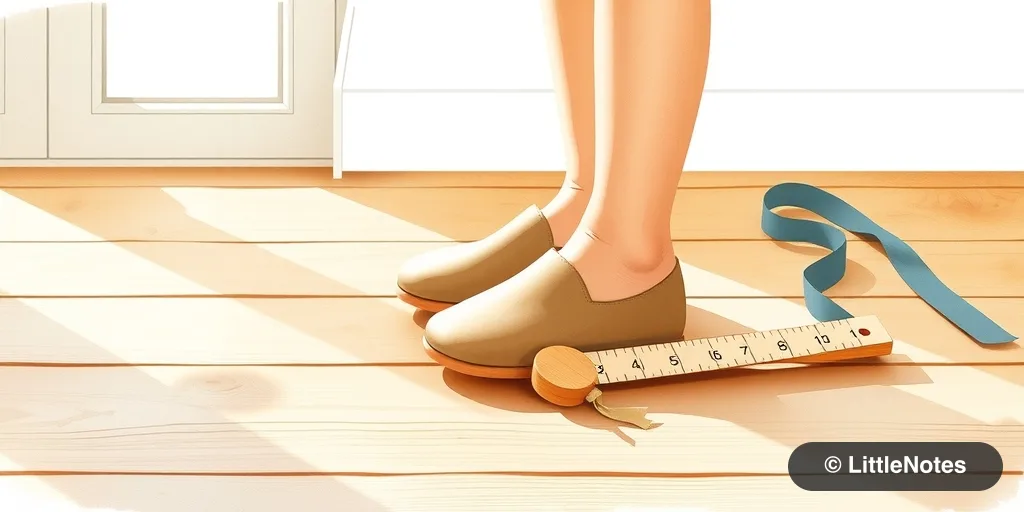
Children's feet grow in spurts, so have their feet measured professionally at a shoe store every 6–8 weeks. Always check for a 'thumb’s width' of space between the end of the longest toe and the front of the shoe to ensure they have room to wiggle and grow.
Note: If you have concerns about your child’s gait or foot development, consult your pediatrician for a professional evaluation.



Comments