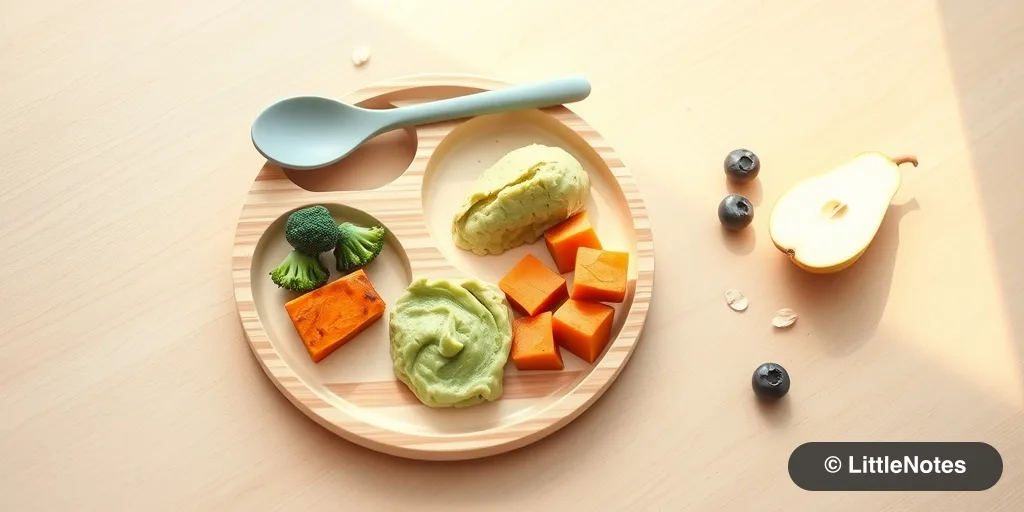
As parents, we are the gatekeepers of what goes onto our children's plates, especially in the first two years of life. While it's tempting to introduce sweet treats or rely on convenience, many experts and parents advocate for a 'no added sugar' approach during the first 1,000 days.
The Case for Natural Flavors
Developing a palate for natural flavors—like the sweetness of fruits or the earthiness of vegetables—can shape a child's food preferences for years to come. By avoiding added sugars, jaggery, or honey during the early years, you help your child appreciate the inherent tastes of whole foods.

Strategies for Healthy Eating
- Cook from Scratch: Where possible, prepare meals at home to control salt and sugar levels. Ingredients like dates or bananas can provide natural sweetness if needed.
- Set Boundaries: You may encounter family members who want to offer sweets. It is perfectly okay to set firm, polite boundaries. You can explain that your pediatrician recommends avoiding these items to support the baby's long-term health.
- Balanced Nutrition: Focus on variety. Include different dals, grains, vegetables, and fats like ghee in your family’s meals. If you are serving the same food to the baby as the rest of the family, simply ensure you leave out the salt and extra spices for their portion.
- Consistency Over Perfection: You don’t need to be perfect. If your child discovers sweets later, that’s okay. The goal is simply to build a strong foundation of healthy habits during the time when you have the most control over their intake.




Comments