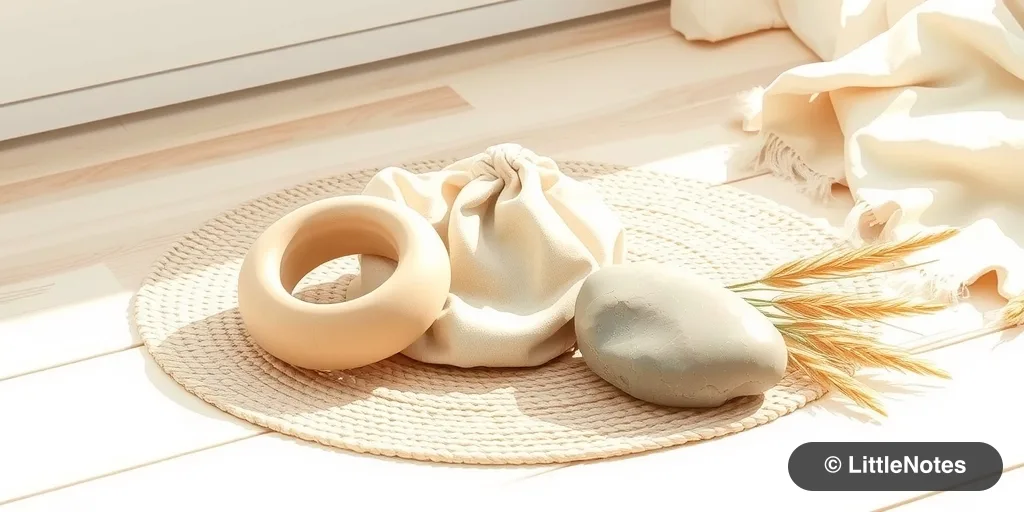
It’s easy to feel the pressure to constantly entertain our infants, but here is a secret: babies don’t need a non-stop schedule of activities. In fact, they are natural explorers who find wonder in the simplest parts of their environment.
The Value of Open-Ended Play
Babies learn through repetition and observation. When you provide a safe, baby-proofed space, you allow them to engage with their world at their own pace.
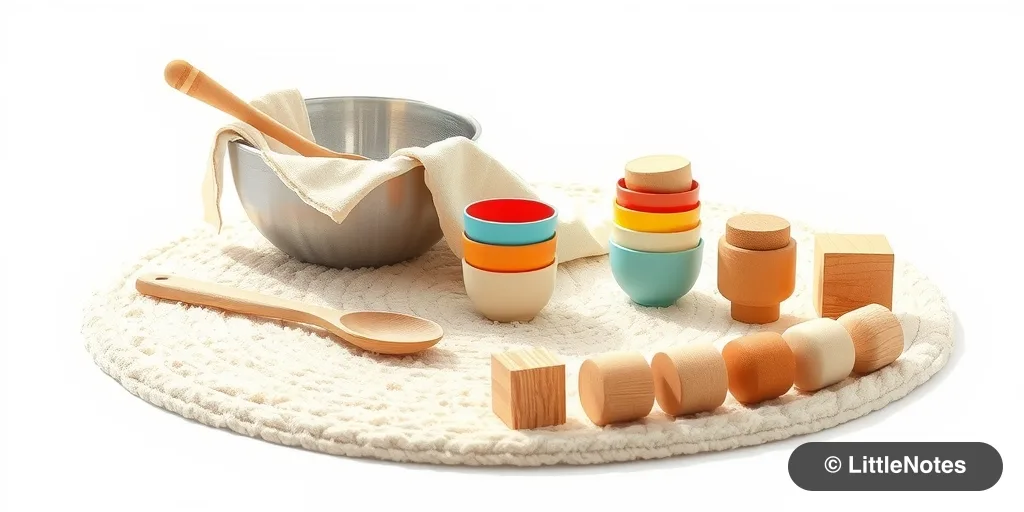
- Household Objects: You don't need expensive toys to keep a baby engaged. A collection of kitchen items—like stainless steel bowls, wooden spoons, or even crinkly paper—can provide hours of sensory exploration.
- Encourage Movement: If your baby isn't crawling yet, demonstrate the motion for them. If they are already mobile, create a safe "yes-space" where they can wander and practice their new skills without restriction.
- The Power of Observation: Simple daily routines, like looking out a window or watching the trees, are incredibly stimulating. Talk to your baby about what they see; explaining the world to them is one of the best ways to foster curiosity and language development.
When to Step In
Our role as caregivers is to ensure safety while acting as a gentle guide. If your baby is happily banging a spoon or chasing a ball, let them! They are working hard to understand physics and cause-and-effect. Trust that their natural curiosity will lead them to the stimulation they need. By reducing the pressure to be a constant "entertainer," you’ll find that both you and your baby can enjoy your time together much more.



Comments