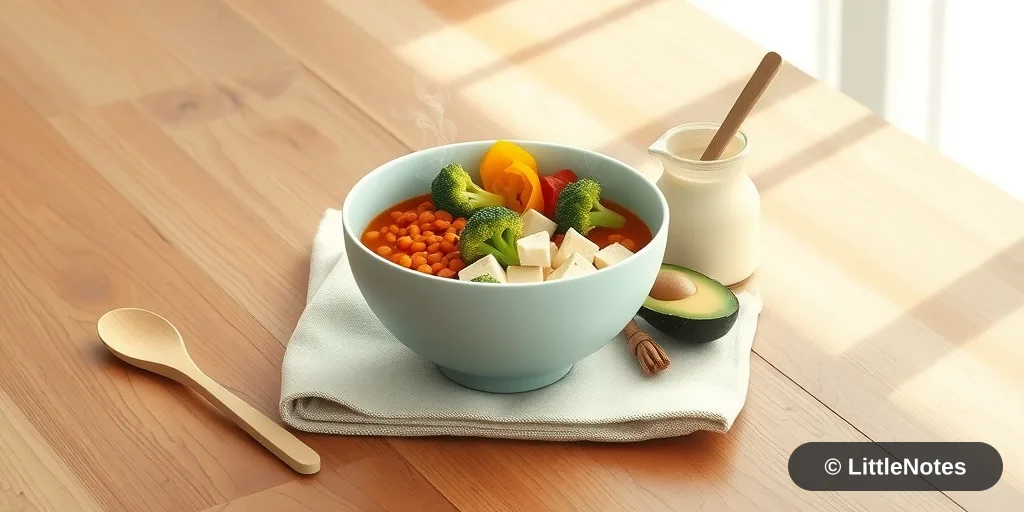
Balancing a vegetarian diet with CMPA-related restrictions can feel like a logistical puzzle. When you cannot rely on dairy as a primary source of calcium and protein, it is natural to feel concerned about your child’s growth. The good news is that with a bit of mindful planning, you can ensure your little one gets the nutrition they need.
Focusing on Alternatives:
- Calcium Sources: Incorporate ragi, tofu, and legumes into your toddler's meals. Ragi is particularly beneficial and can be served as a porridge or pancake. If you are concerned about specific intake levels, consult your pediatrician about calcium or B12 supplements, which are often recommended for toddlers moving away from breast milk or formula.
- Protein Planning: Since pulses and legumes are staples, introduce them slowly. If your child has a sensitive tummy, stick to easy-to-digest options like moong dal before moving on to heavier varieties. If your doctor approves, egg yolk can be an excellent source of protein to introduce into baked goods.
- Nutritional Support: If you are weaning off breast milk and your child refuses formula, discuss appropriate substitutes with your doctor. Coconut milk can be a gentle, dairy-free alternative for cooking, such as in rice dishes or kheer.
Managing Cravings and Social Situations: Living a dairy-free lifestyle doesn't mean giving up on treats. Many vegan-friendly options, such as dark chocolate, jaggery-based sweets, and plant-based desserts, can satisfy sweet cravings for both parent and child.
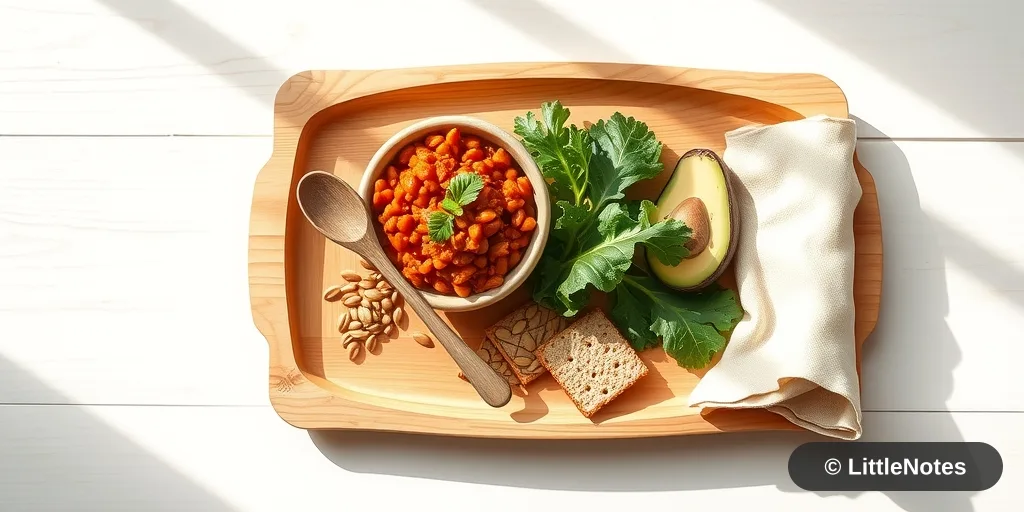
Most importantly, focus on your child's activity levels and overall demeanor rather than external pressure. If they are active, meeting their milestones, and happy, they are likely thriving. Always remember to check labels on processed foods for 'hidden' milk solids, and when in doubt, stick to whole, home-cooked foods.



Comments