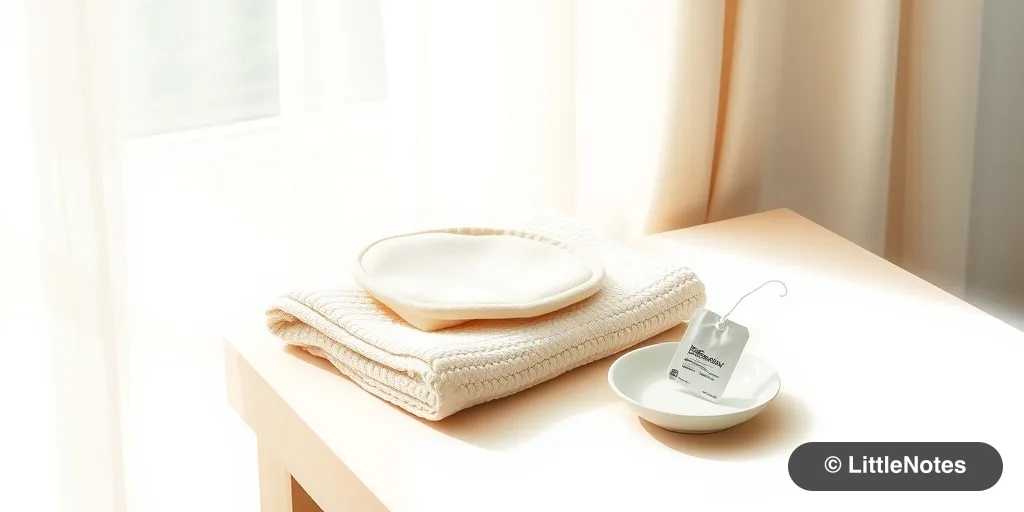
Dealing with lingering discomfort or leaking, even months into your breastfeeding journey, can be frustrating. Whether you are 2 months or 14 months postpartum, it’s helpful to understand the "why" behind these changes.
Addressing Leaking
If you are leaking unexpectedly long after you’ve stopped pumping, it may be linked to your body’s regulation of milk. Some parents find that certain dietary choices, such as high intakes of common galactagogues (like oats, fenugreek, or garlic), may contribute to an oversupply that results in leaking. If this is causing irritation, consider a gentle reduction in these foods. Additionally, ensure you are wearing a supportive, comfortable bra—avoiding overly tight materials that create constant nipple stimulation can help minimize letdowns.
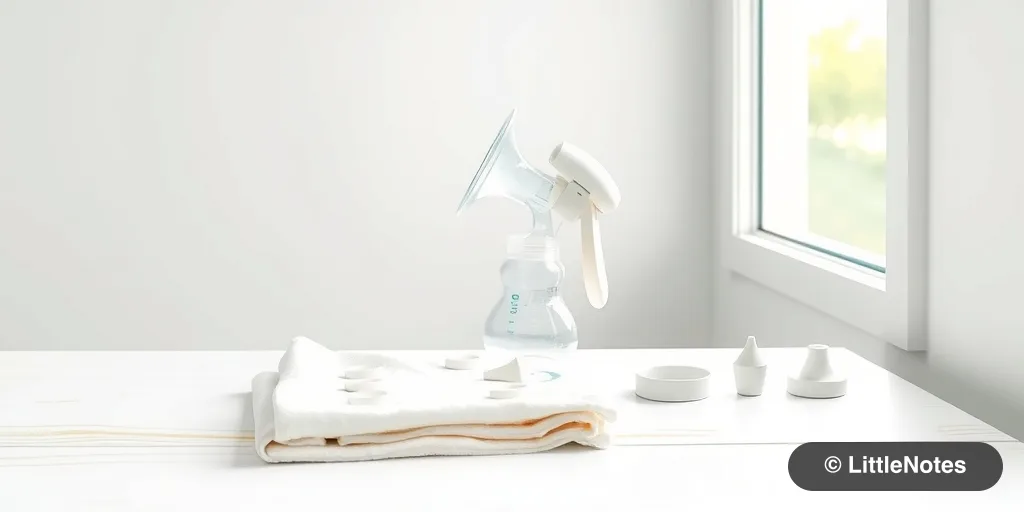
Nipple Tenderness & Pump Sizing
If you are pumping, discomfort is a major signal that something needs to change. The most common culprit for nipple pain is an incorrect flange size. If your flanges are too tight or too large, they can cause friction and pain. Many parents find success by:
- Measuring correctly: Measure your nipples to ensure you are using the right size; if you are "in-between" sizes, look for flange inserts.
- Considering a manual pump: Some parents find manual pumps allow for better control and comfort compared to electric versions, which can be helpful if you are experiencing shallow latching or localized pain.
- Trying side-lying: If you are nursing directly, side-lying positions can reduce the pressure on your nipples and allow for a more relaxed feed.
Disclaimer: If you experience sharp pain, persistent tenderness, or notice changes in your breast tissue, please consult your pediatrician or a lactation professional to rule out issues like thrush or blocked ducts.



Comments