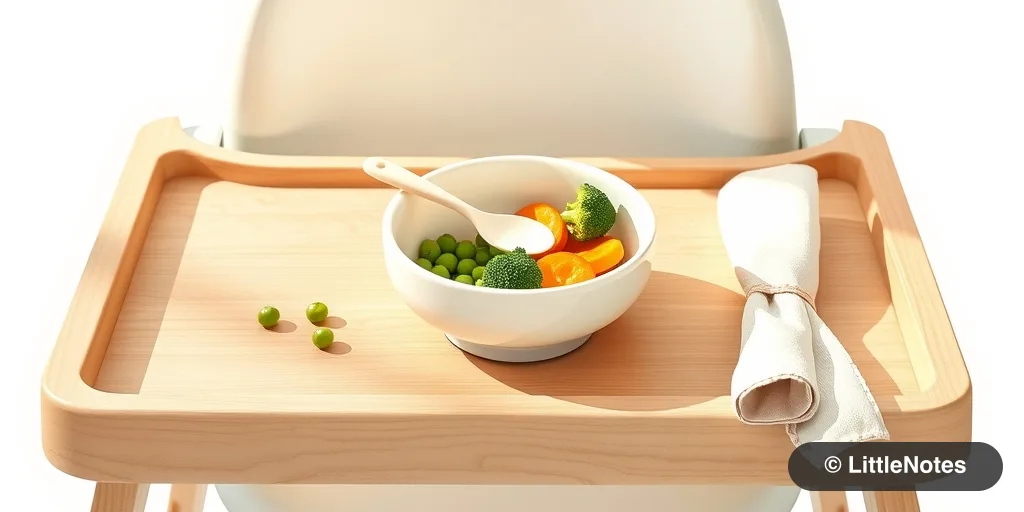
Is your once-enthusiastic eater suddenly clamping their mouth shut the moment they see a spoon? It can be incredibly stressful for a parent when a baby refuses food, but this behavior is a common phase in development.
Why the 'Mouth-Shut' Phase Happens
- Teething: Sore, swollen gums can make the act of eating uncomfortable or painful.
- Distraction: As your baby becomes more mobile and interested in the world, sitting still for a meal can feel like a chore compared to playing.
- Independence: Toddlers and older infants are beginning to realize they have control over their environment—and closing their mouth is a powerful way to express 'no.'
- Feeling Unwell: Sometimes, a temporary food strike is simply the body’s way of saying, 'I don't feel quite right,' whether due to a cold or digestive discomfort.
Strategies to Stay Sane
- Don't Force It: The more pressure you apply, the more the baby may push back. Keep meals low-stress. If they take a bite or two, celebrate that as a win and move on.
- Change the Environment: Sometimes, changing the setting or letting them sit in a different spot can spark curiosity.
- Offer Finger Foods: If they are refusing purees, let them play with soft, steamed pieces of food. Giving them autonomy over what goes into their mouth often reduces the power struggle.
- Focus on Nutrient Density: When they do eat, prioritize small amounts of high-energy foods (like healthy fats or nutrient-dense porridges). However, do not stress about the quantity—their appetite will fluctuate from day to day.
- Trust the Milestones: If your baby is active, meeting their developmental milestones, and growing at their own steady pace, try to let go of the scale-watching.

When to Worry
If the food strike is accompanied by persistent vomiting, signs of lethargy, or if there is a significant drop in their energy levels, reach out to your pediatrician. Otherwise, maintain a calm, patient presence. This, too, is a phase that will likely pass.
Disclaimer: This information is for educational purposes. Consult your pediatrician if you have concerns about your child's growth or nutritional intake.






Comments