
Transitioning to a nanny can be a major milestone for new parents. It’s natural to feel like you’re constantly repeating yourself, whether it’s about mealtimes, diaper changes, or keeping the nursery organized. If you feel like you are micromanaging, you aren't alone—this is a common part of the "onboarding" process.
Setting Expectations Nannies may come with varying levels of experience. If you find yourself giving the same instructions daily, try these practical strategies to build consistency:
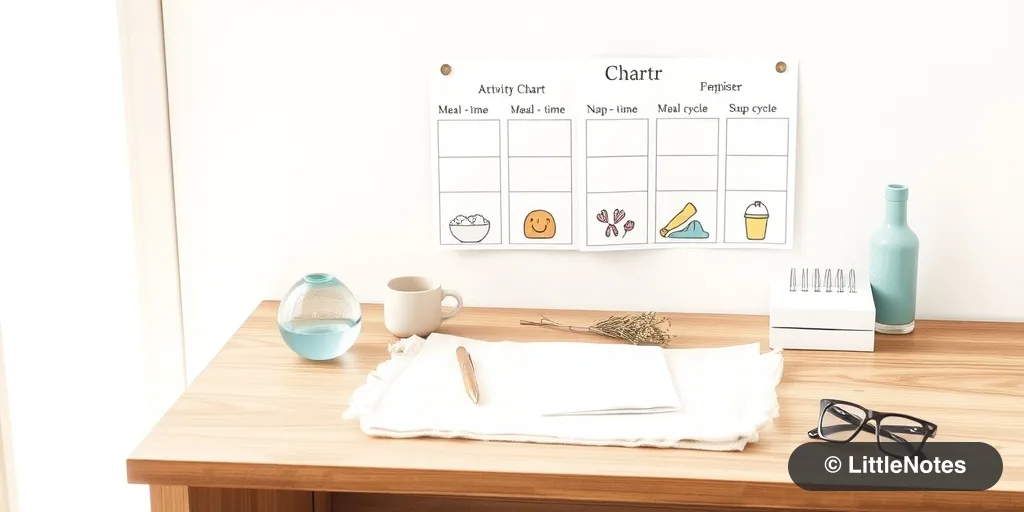
- The Checklist Method: If your nanny can read, a printed checklist of daily tasks (feeding times, nap routines, cleaning duties) can be a game-changer. For those who cannot read, use a visual chart with photos or simple symbols to represent tasks like "change diaper" or "wash utensils."
- Prioritize Tasks: Clearly communicate your #1 priority. For many parents, it is baby interaction. Explicitly tell your nanny that chores (like washing bottles or folding laundry) should be done while the baby is napping, so that awake time is dedicated to playing and engaging with the child.
- The Power of "Why": Sometimes instructions are ignored simply because the caregiver doesn't understand the impact. Explaining why you don't want toys at the table (e.g., to prevent choking or help the baby focus on hunger cues) can help the instruction stick better than a simple "don't do that."
- Create Fixed Routines: Babies thrive on consistency, and so do caregivers. Try to establish rigid timings for the day’s activities. Once a rhythm is set, it becomes the "new normal" for both the nanny and the baby.
When to Re-evaluate If you have been clear, consistent, and supportive for several months and still see no improvement, it may be a sign that the partnership isn't working. Trust your gut. If your instructions are consistently ignored—especially concerning safety or hygiene—it is okay to seek a replacement. You deserve to feel confident and secure when leaving your little one in someone else’s care.






Comments