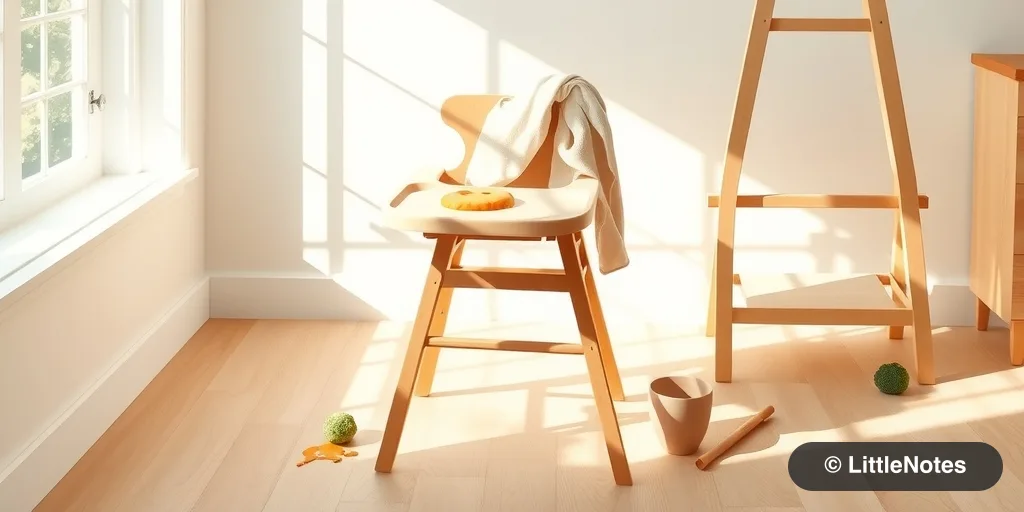
It’s a classic toddler milestone: the moment your little one discovers that food doesn't just go in their mouth—it also makes a very interesting sound when it hits the floor. While frustrating, food throwing is a normal, albeit messy, part of developing independence.
The 'Why' Behind the Flying Food
Around 12 to 18 months, babies begin to realize they have agency over their environment. Throwing food is often an experiment in cause-and-effect or a sign that they are simply full. Instead of viewing it as misbehavior, try to see it as communication. If your child is throwing, check if they are signaling that they are finished with their meal.
Strategies for a Less Messy Meal
- The Two-Warning Rule: If your child throws food, offer a calm, consistent warning: "Food stays on the table." If it happens again, you can gently remove the plate. While this may mean a shorter meal, it establishes a clear boundary.
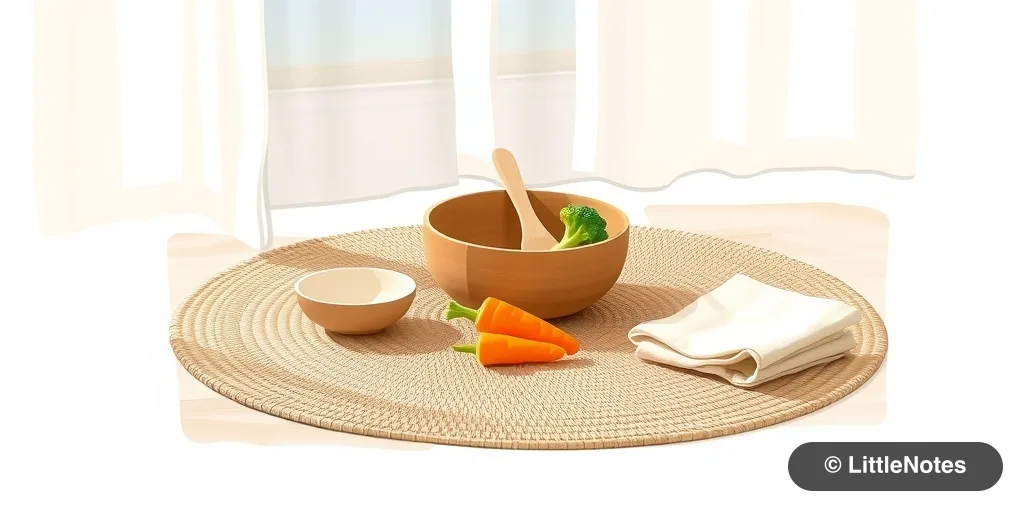
- The Landing Zone: Some parents find success by placing an empty bowl or a designated "landing zone" nearby. If the child doesn't want the food, show them how to place it in the bowl rather than tossing it onto the floor.
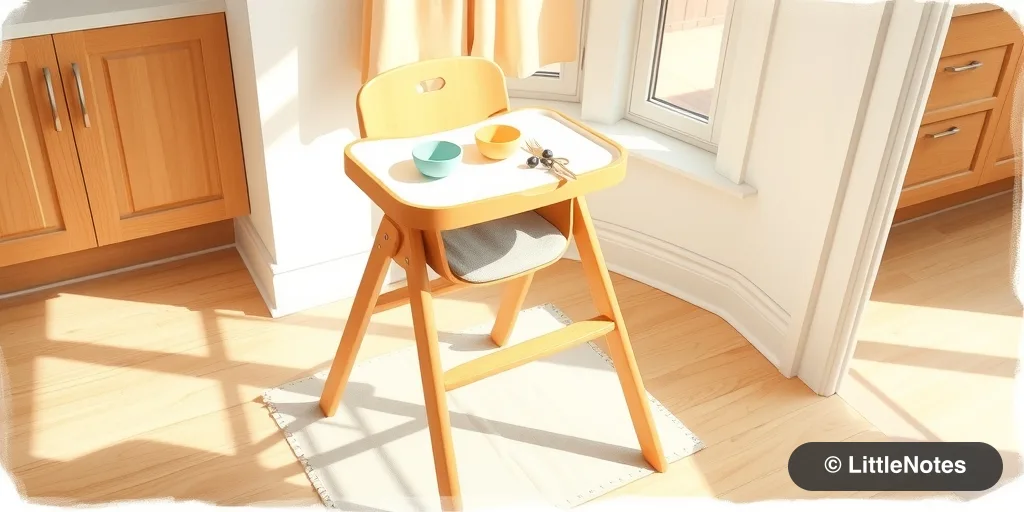
- Embrace the Flexibility: Many toddlers go through a phase of rejecting the high chair around 13–16 months. If your child is struggling, consider offering "floor meals" where they have more freedom to move, provided they return to their plate to eat.
- Model the Behavior: Show your little one where the food goes by modeling the behavior yourself. Keep your tone neutral and calm to avoid turning the cleanup into a high-energy game.
Remember, this stage is temporary. Most parents find that as their child’s communication skills improve—and as they learn to use utensils—the urge to throw their dinner usually fades significantly after the first birthday.
Note: If you have concerns about your child’s nutritional intake or persistent stomach discomfort, always consult your pediatrician.



Comments