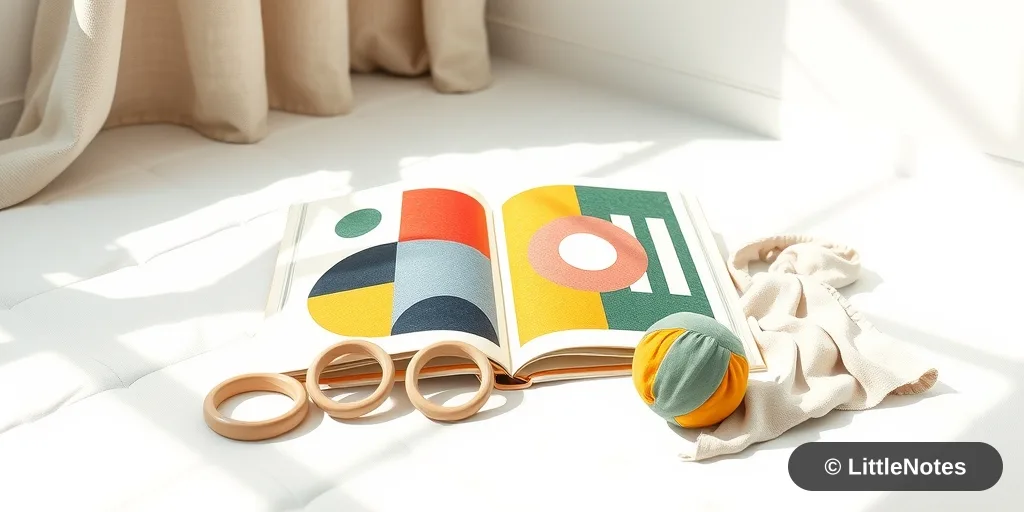
At four months old, your baby is becoming increasingly aware of the world around them. Their wake windows are stretching, and they are starting to show more interest in interaction, making this a wonderful age to engage in simple, intentional play.
Making the Most of Wake Time
At this stage, you don't need fancy, expensive gadgets to keep your baby entertained. In fact, the best "toys" are often things you already have at home or simple interactions that build your bond.
1. Sensory Exploration
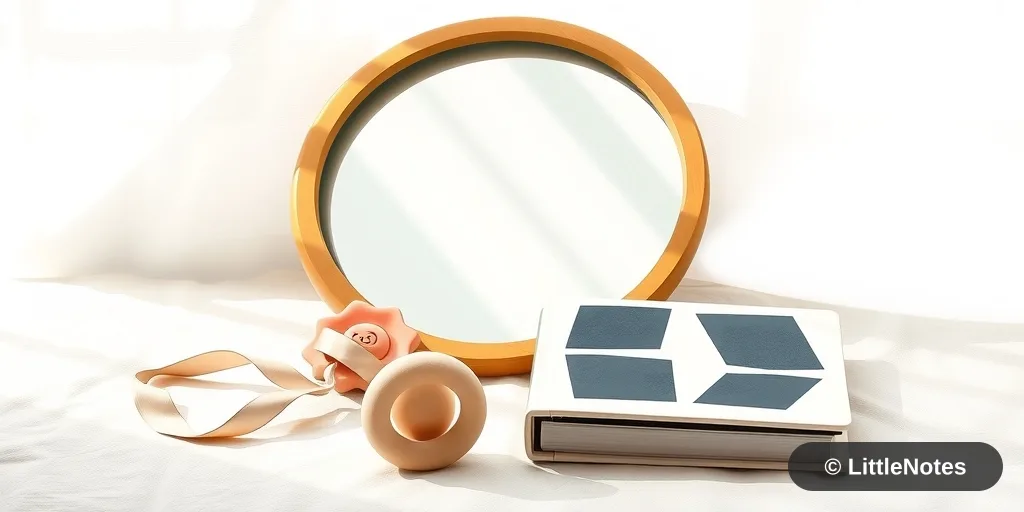
- Mirror Play: Babies are fascinated by faces. Placing a baby-safe mirror in front of them during tummy time can keep them engaged longer and encourage them to lift their heads.
- Texture and Sound: Offer items that engage different senses. Rattles, crinkle toys, and silicone teethers provide great auditory and tactile stimulation. Toys like the Manhattan Winkle are particularly popular because their open, flexible structure makes them easy for little hands to grasp.
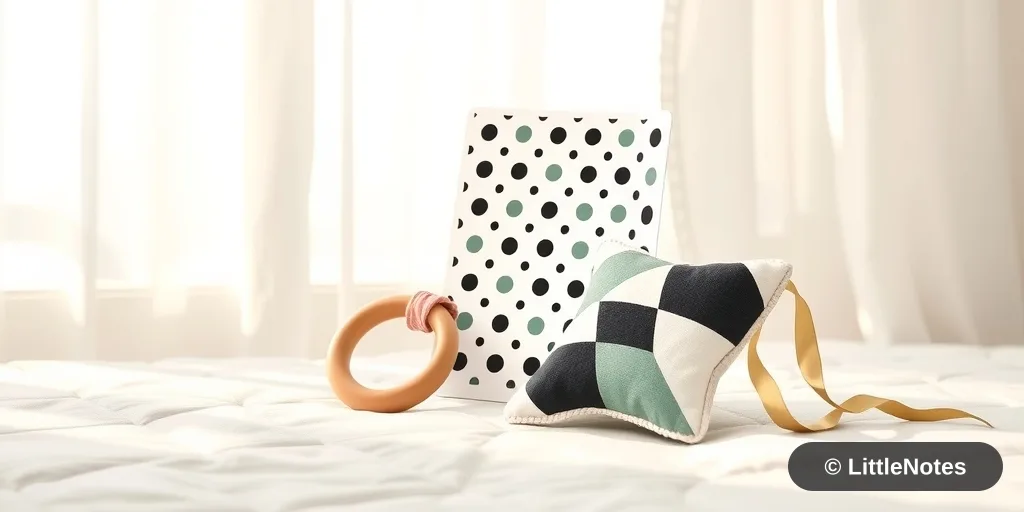
- Board Books: Even if they aren't reading yet, looking at high-contrast or large-format board books together is a calming way to build early literacy habits.
2. Movement and Interaction
- The World Outside: A simple stroller walk is one of the best activities for a 4-month-old. Narrating what you see—trees, cars, or people—helps build their vocabulary and exposes them to new environments.
- Face-to-Face Connection: Never underestimate the power of a conversation. Even if you are the one doing all the talking, your baby loves the sound of your voice. Singing nursery rhymes like "Open, Shut Them" or "Ten Little Fingers," combined with gentle massages, provides comfort and rhythmic stimulation.
- Tummy Time: This remains a priority for strengthening neck and shoulder muscles. If your baby gets frustrated, try moving it to your chest while you are lying back, or incorporate mirrors and toys to keep it interesting.
A Gentle Reminder
Every baby is different. Some days your little one might be highly engaged and eager to play, while other days they may prefer quiet observation. Follow your baby’s cues—if they are looking away, getting fussy, or rubbing their eyes, it is likely time for a nap. Keep interactions short, sweet, and low-pressure. You are your baby’s favorite playmate, and simply being present is exactly what they need to thrive.




Comments