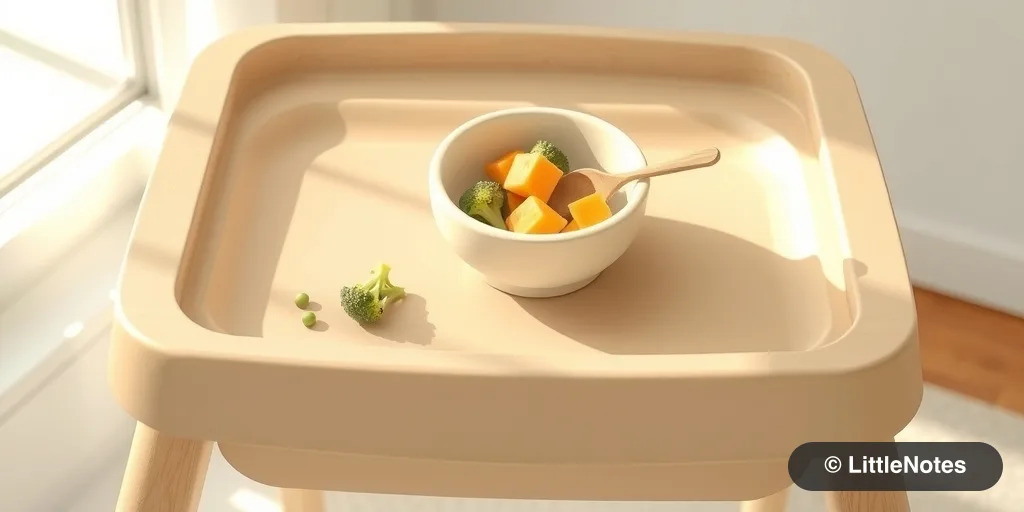
It’s frustrating when you've spent time preparing a healthy meal only for your baby to seal their mouth shut, play with their food, or throw it on the floor. If you're feeling demotivated, you aren't alone—this is a very common phase in the solids journey.
Why Do Babies Reject Food? Often, refusal is about autonomy or teething discomfort rather than taste. At this age, babies are developing pincer grasps and exploring their environment; throwing food is often a form of sensory exploration.
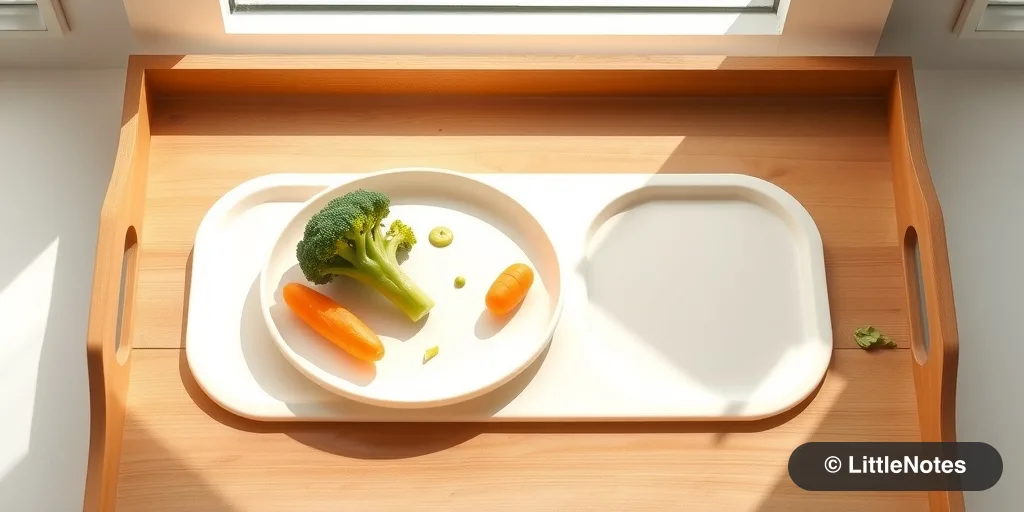
Strategies to Try:
- The 10-Exposure Rule: It can take 10 or more non-consecutive exposures to a specific food for a baby to accept it. Keep offering, but don't force it.
- Model the Behavior: Eat your own meal alongside your baby. Use a similar plate or bowl and show excitement about the food. If they see you enjoying your meal, they are more likely to show interest.
- Avoid Distractions: Resist the urge to use phones or toys to 'sneak' a bite in. This can disrupt their internal hunger cues and create a reliance on distractions for eating.
- Empower Them: Let them get messy. If they want to touch, mash, or smear food, let them. That sensory experience is a vital step toward eventually tasting and eating it.
When to Stop If the meal becomes a source of stress, end it gracefully after 15–20 minutes. Keep your response neutral—if they throw food, calmly say, "Food is for eating," and remove the plate. By keeping your cool, you prevent mealtime from becoming a battleground. If you remain concerned about your baby's growth, always check in with your pediatrician.



Comments