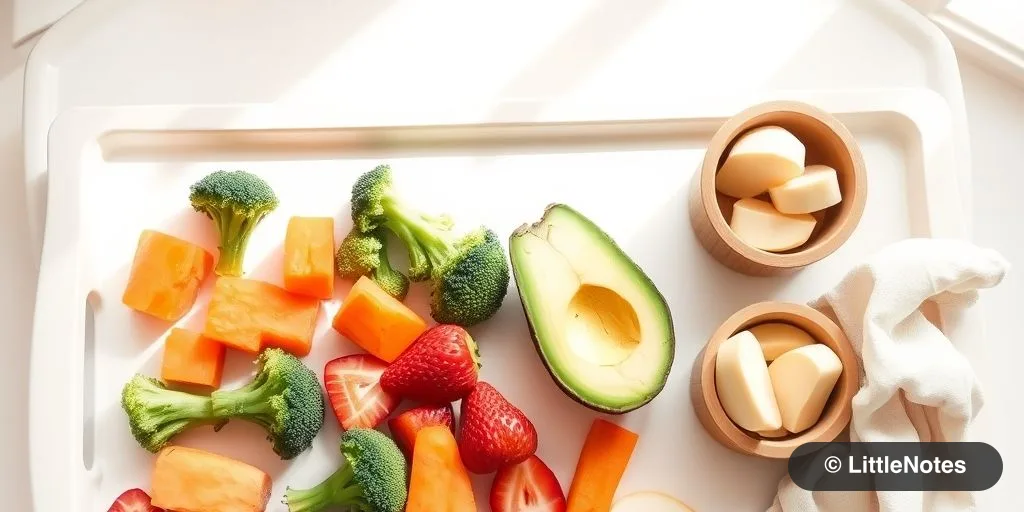
Transitioning from purees to solids is a major milestone, and it’s natural to wonder when your baby is ready for more texture. You don't necessarily have to start with mashed purees; many babies handle soft, chewable pieces surprisingly well, even without teeth! A helpful rule of thumb is the 'two-finger squish test': if you can easily mash the food between your thumb and forefinger, it’s likely soft enough for your baby to handle safely.
Building Healthy Preferences Many parents focus on prioritizing savory flavors during the first few years to help babies develop a broad palate. While fruits are essential for nutrition, focusing on savory meals—like vegetables, lentils, and grains—can help your child appreciate natural food flavors without needing constant sweetness. If you find your baby is struggling with slippery finger foods, try coating them in nut powders or seeds for better grip.
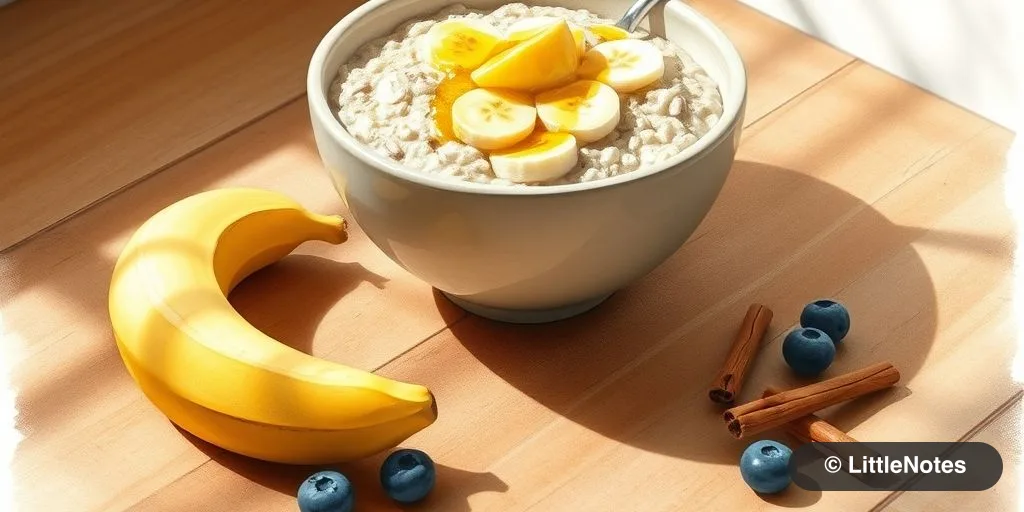
Managing Sugar Intake Establishing habits early is a powerful way to shape long-term health. Many experts and parents recommend delaying the introduction of refined sugars as long as possible (ideally until age two or three). Instead of sweetening porridge or kheer with sugar, jaggery, or honey, you can lean on the natural sweetness of whole fruits like bananas, or simply serve dishes with the savory flavors of healthy fats like ghee or coconut milk.
Handling Outside Influence It’s common to face pushback from well-meaning family members when it comes to feeding rules. When dealing with relatives who insist on offering sweets, stay firm but kind. Sharing informational articles or simply explaining your nutritional strategy—or even 'blaming the pediatrician'—can be a helpful way to maintain boundaries. Ultimately, consistency at home is the best way to cultivate healthy habits that last a lifetime.
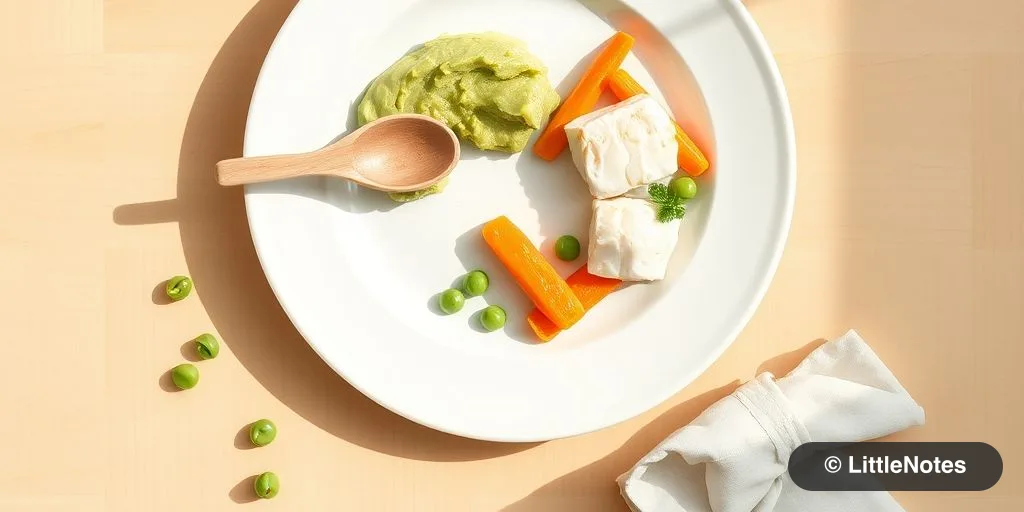
Consult your pediatrician regarding specific dietary transitions and for guidance on when to introduce new food groups like cow’s milk or potential allergens.




Comments