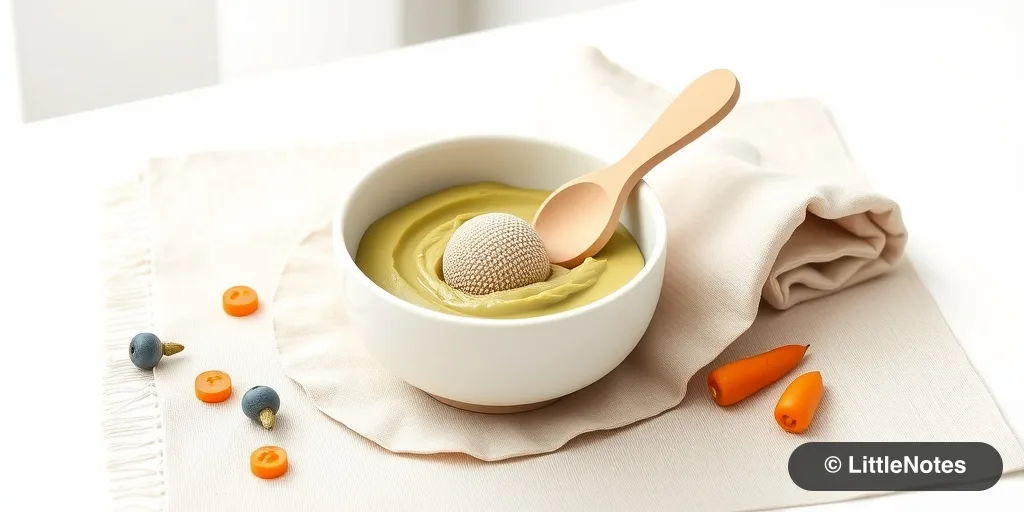
Is your baby suddenly turning their nose up at dinner time? If your once-enthusiastic eater has started crying or refusing meals, you aren’t alone. Before you worry, consider the most common culprit: teething.
Why Teething Affects Appetite
When babies are teething, their gums can be sore and inflamed, making the act of chewing uncomfortable. Some babies may reject solid foods entirely for days or even weeks during a difficult teething spell. If this happens, don’t panic—go with the flow. Avoid force-feeding, as this can create negative associations with mealtimes. If they aren't interested, it’s perfectly okay to end the meal and try again at the next scheduled time.
Tips for Sore Gums
While parents often rely on teethers, many find that cold foods are more effective at soothing inflamed gums during meals:
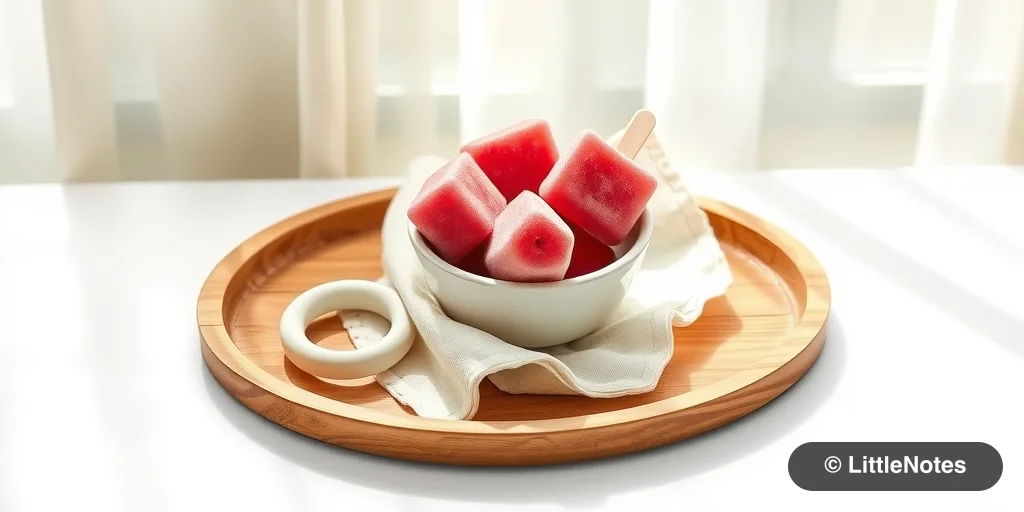
- Cold Options: Try offering chilled fruit slices (like grapes or apple wedges), yogurt-fruit smoothies, or even homemade popsicles made from breast milk, formula, or coconut water with berries.
- Chilled Vegetables: A cold, raw carrot stick (offered under close supervision) can be a great way for a baby to gnaw and soothe their gums.
- Consistency: Offer food in a variety of textures, but prioritize what your baby is willing to eat during this phase. If they only want soft, cold foods, that is perfectly fine for a short season.
A Note on "Cold Foods"
Some caregivers worry that cold foods cause colds or throat infections. It is important to know that viruses cause illness, not cold foods. While a very cold item might cause temporary throat irritation for some children, it will not give them a viral cold or cough. Focus on what provides comfort and nutrition to your little one.
When to Re-evaluate
If your baby is consistently rejecting meals even when they aren't teething, consider if they might be overtired. Sometimes moving the mealtime 30-60 minutes earlier or later can make a world of difference. Above all, trust your baby’s hunger cues. If they are growing well and meeting their milestones, a temporary dip in appetite is usually just a normal part of their development.
Disclaimer: If you are concerned about your baby’s growth or if they refuse food for an extended period, please consult your pediatrician.


Comments