
As your baby approaches the one-year mark, you may be wondering how to balance milk feeds with solid meals. At 10 to 11 months, many parents find success with a rhythm of three main meals and a snack, with milk offered 3-4 times a day.
Finding the Balance
Typically, a gap of 1.5 to 2 hours between milk and solids helps ensure your baby is hungry enough for both.
- Morning: Start the day with a milk feed, followed by a solid breakfast.
- Mid-day: Offer a snack or a light meal depending on appetite.
- Afternoon/Evening: Provide lunch and dinner with milk feeds spaced in between.
- Nighttime: By 10-12 months, many babies no longer require night feeds, though this depends on your child's unique needs.
Transitioning at One Year
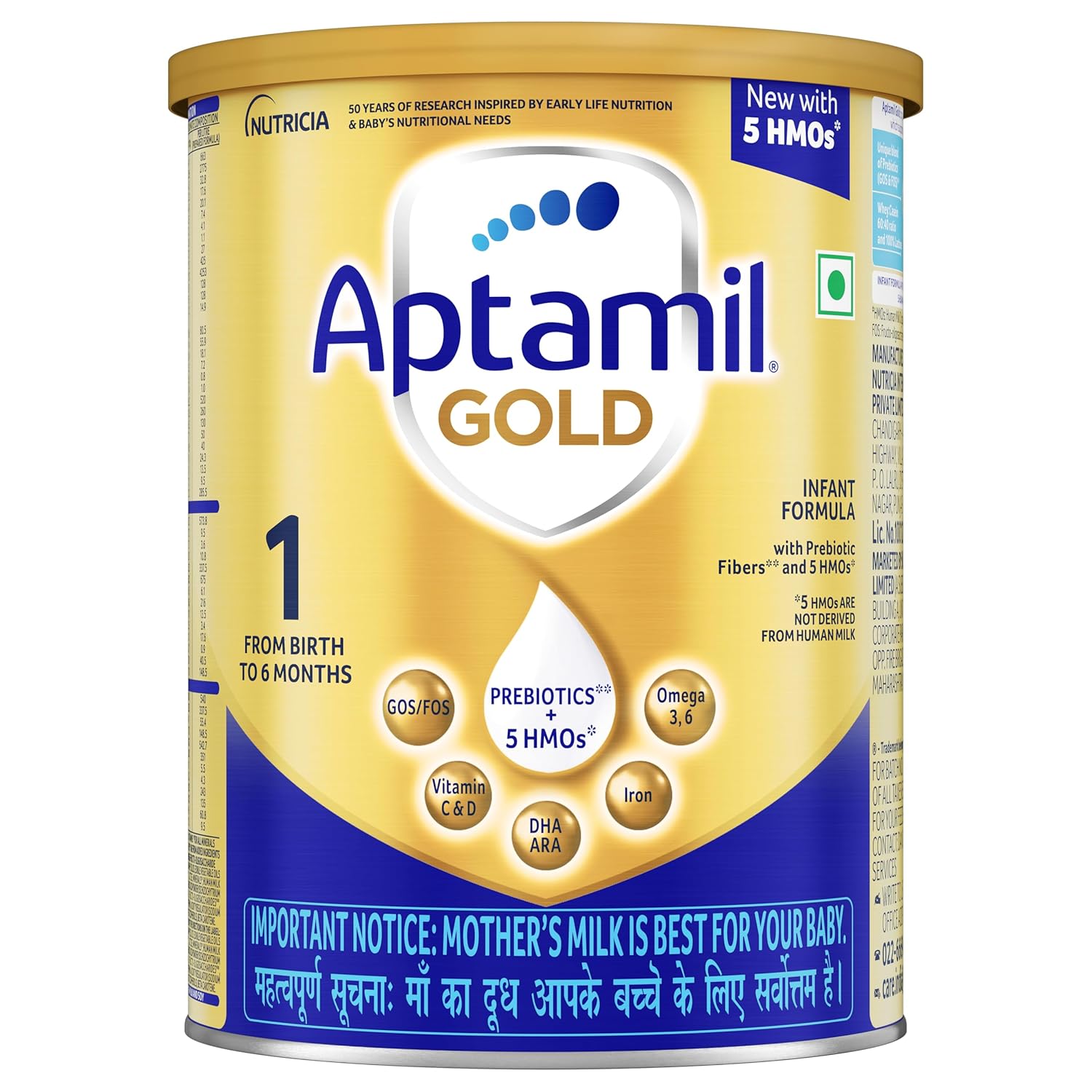
When your baby turns one, you might be discussing the transition from formula to cow’s milk with your pediatrician. Many parents opt for full-cream animal milk, sometimes diluting it slightly with filtered water during the initial transition period. Always ensure your water source is high-quality and well-maintained.

Mealtime Tips for Busy Days
- Travel Eating: Vacations are a great time to expose babies to new textures and eating on the go. Don't be afraid to let them try what the family is eating (safely).
- Fussy Eaters: If your baby is having a fever or just feels off, follow their lead. It’s normal for appetite to dip; focus on hydration and comfort foods like daliya (porridge) or soft pancakes.
- Tart Fruit Fix: If apples are too tart, try steaming them with a pinch of cinnamon—it naturally sweetens the flavor and makes them much easier for babies to digest.
Remember, every baby is different. Some will love food more than milk, and others will prefer the bottle. Observe your baby’s cues and keep the process low-pressure.
Disclaimer: Please consult your pediatrician before making significant changes to your child's milk source or feeding schedule.




Comments