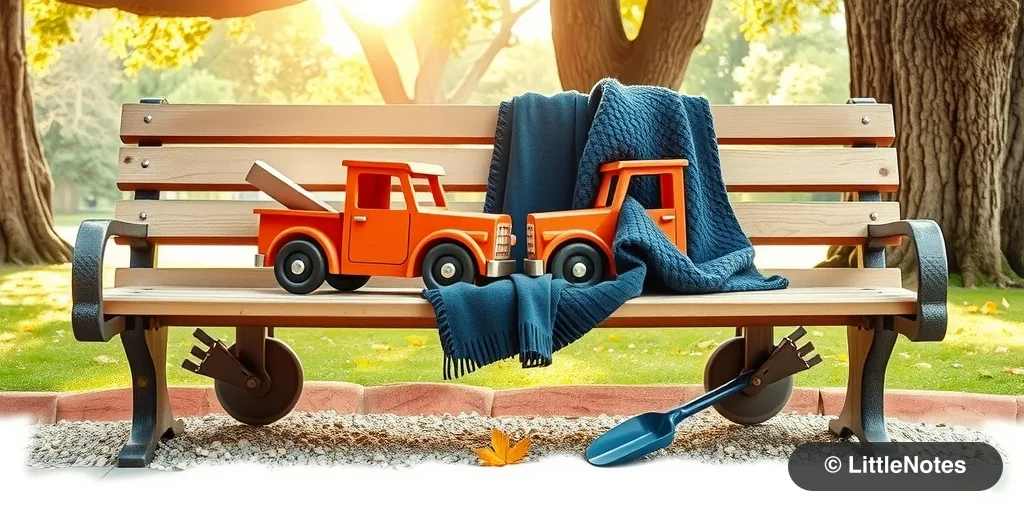
It’s a scenario many parents encounter at the playground: your toddler develops a friendship, but the other child—perhaps seeking extra warmth or attention—begins to cling to you instead. While it’s flattering that a child feels safe with you, it often leaves your own little one feeling left out, possessive, or downcast.
First, remember that your child’s feelings are completely normal. At this age, toddlers are still developing their sense of security and their place in their social circle. When they see a friend occupying their “spot” on your lap, it can feel like a direct threat to their primary bond with you.
Managing the Moment When the situation arises in the park, focus on gently redirecting without shaming the other child or alienating your own. You might say, "I have a lap big enough for one, but right now I’d love to play a game with you both," or gently suggest an activity that requires movement, like chasing or building, to break the static "lap-sitting" dynamic.
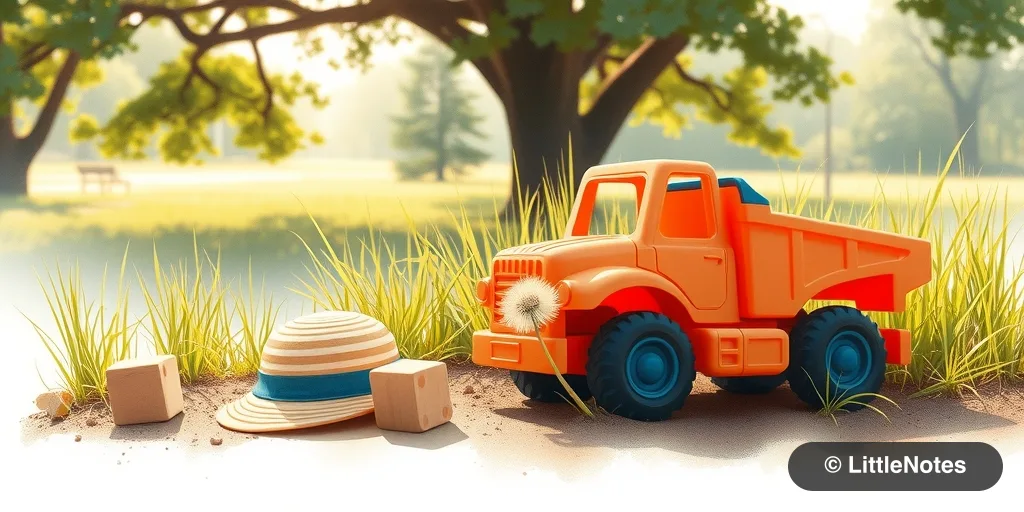
Supporting Your Child’s Emotions Your daughter needs reassurance, but perhaps more importantly, she needs to feel empowered.
- Acknowledge and Validate: Instead of simply saying, "I love you the most," try validating the feeling: "I see that you feel a bit sad when your friend sits on my lap. It makes sense that you want your space with Mamma."
- Focus on the Friendship: Help your child see the value in the friendship beyond just your presence. Encourage them to play together by suggesting a shared mission, like finding bugs or rocks.
- Private Connection: If the park environment is too overwhelming, don't force the social interaction. Take a "mommy and me" break away from the play area to reconnect, then return when she feels secure enough to try again.
The Bigger Picture Understand that this is often a phase. The other child may be seeking the nurturing presence they see you providing to your own child. You aren't doing anything wrong by being warm, but setting gentle, consistent boundaries—like standing up to play or redirecting the other child to a group activity—will help your daughter see that your bond remains unshakable. In time, as they develop more complex play skills, the need for this specific type of physical proximity to you will likely shift.



Comments