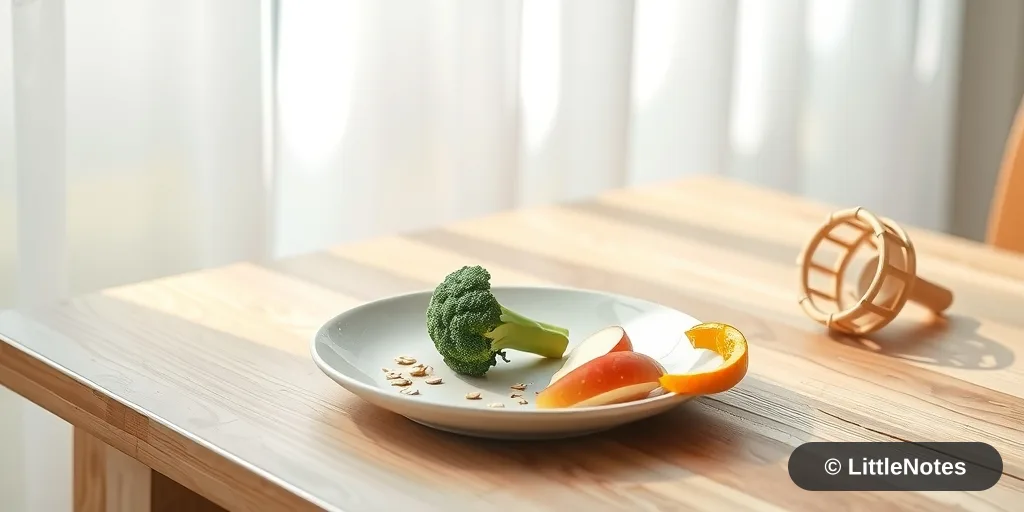
It can be incredibly stressful when your toddler—who typically enjoys healthy meals—suddenly decides they want nothing to do with food, or worse, only wants milk. If you find yourself in this situation, take a deep breath; you aren't alone, and it is often a temporary phase.
Why It Happens
Many parents observe a sharp decline in appetite during hot weather. Just like adults, toddlers may feel sluggish, uncomfortable, and less inclined to eat substantial meals. If your little one is drinking enough water and seems otherwise energetic and happy, the heat is often the primary culprit. Other factors can include upcoming developmental leaps, minor teething, or even a shift in routine (like starting school).
Strategies to Manage the Strike
- Focus on Hydration: During heatwaves, prioritize fluids. Sip-by-sip intake of water, ORS solutions, or homemade buttermilk can help keep them hydrated and serve as a probiotic boost.
- Keep Snacks Simple: If they refuse main meals, offer small, cool, nutrient-dense snacks like fruit, yogurt, or tofu. Avoid the trap of excessive processed snacks or sweets, as these can kill their appetite for the next proper meal.
- Stay Calm: Power struggles over food rarely lead to success. If they refuse to eat, don't force it. Try again at the next scheduled meal time without showing frustration.
- Offer Alternatives: If they are thirsty, offer water or fruit-based smoothies (avoid heavy, sugar-loaded options) to bridge the gap until they are ready for a real meal.

When to Worry
While most food strikes are transient, keep an eye out for signs of illness. If your toddler is lethargic, showing signs of stomach pain (excessive gas or constipation), or if the strike persists for an extended period, it is always best to consult your pediatrician to rule out underlying issues like a stomach infection.
Remember, your goal is to keep them hydrated and maintain a relaxed environment. They will return to their regular eating habits once the discomfort passes.




Comments