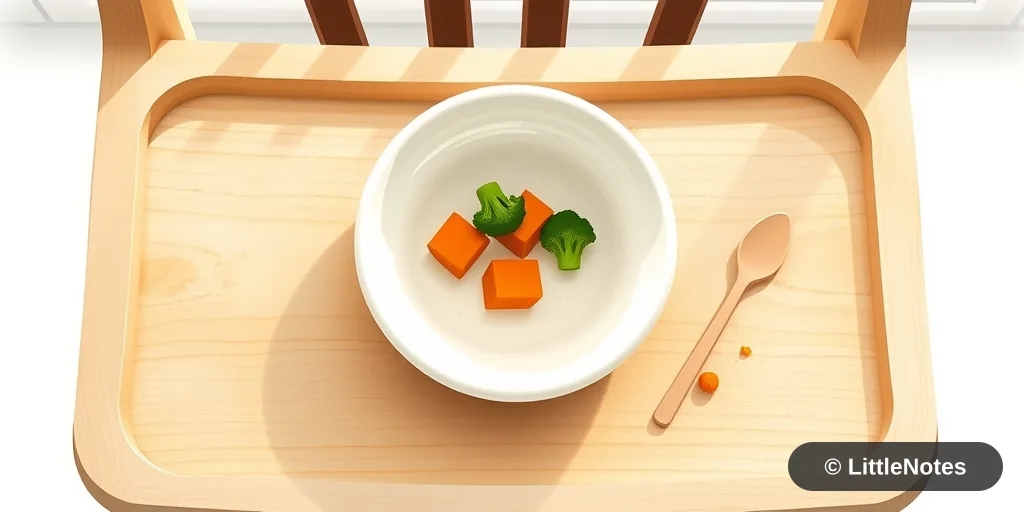
Around 10 months of age, many parents find their once-enthusiastic eater suddenly turning away from the spoon, whining, or fussing during mealtimes. If you are experiencing this, you are certainly not alone! This phase can be frustrating, but it is often a normal part of your baby’s development.
Why the Sudden Change?
Before you worry, consider these common culprits:
- Teething: Even if you don’t see visible swelling, your baby may be experiencing discomfort from molars or other teeth pushing through. Try running a clean finger along their gums; you might feel hard, sharp ridges that aren't yet visible.
- Too Much Snacking: If you have recently increased the frequency of snacks or milk feeds, your baby may simply not be hungry enough for a full main meal. Try scaling back on snacks for a few days to see if their appetite for main meals returns.
- Developing Autonomy: At 10 months, babies are starting to crave independence. The spoon might feel restrictive, and they may be signaling a desire to explore food on their own terms.
Moving Toward Self-Feeding
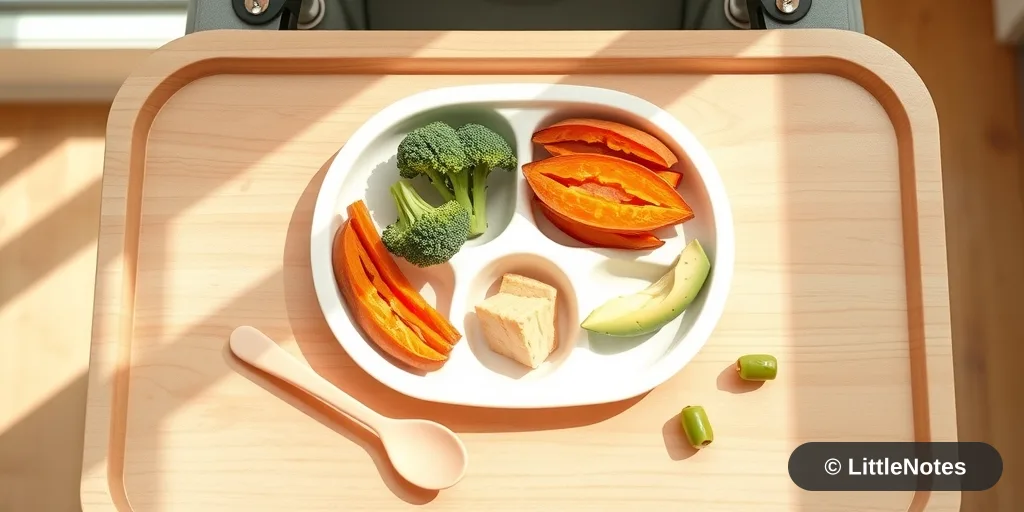
If you started with traditional spoon-feeding, it is perfectly possible to transition to baby-led weaning (BLW) or a mixed approach. The key is to provide opportunities for your baby to interact with their food:
- Start Small: Offer soft, finger-friendly foods during one or two meals a day while continuing spoon-feeding for others.
- Encourage Play: Let them touch, squish, and bring food to their own mouths. This helps them learn the texture and mechanics of eating without the pressure of the spoon.
- Model Behavior: Sit with your baby and eat together. They learn a great deal by watching how you handle food.
- Align with Caregivers: If you have a nanny or family help, share your plan clearly. Explain the importance of letting the baby manage the pace of the meal, rather than forcing the spoon.
Staying Patient
Above all, remember that appetite naturally fluctuates. If your baby refuses a meal, stay calm, keep the atmosphere light, and try again next time. The goal is to keep mealtimes stress-free so that your baby continues to associate food with a positive, bonding experience. If the fussiness persists or you are concerned about growth, reach out to your pediatrician for guidance.



Comments