
One of the most common worries for new parents is whether they are feeding their baby too much or too little. It’s easy to look at a large portion size and worry, but the good news is that it is quite difficult to overfeed a baby.
Signs of Fullness Most babies are excellent at self-regulation. If they have had enough, they will typically show you by closing their mouth, turning their head away, or, in some cases, spitting out food. If they are consistently eating large portions and seem happy and active, trust their appetite. Overfeeding is very rare, and most babies will naturally signal when their tummy is full.
Start Small When you are just beginning your solids journey (around 6 months), you are primarily introducing the concept of eating. At this stage, 2–4 tablespoons is often a perfectly healthy amount. Do not be discouraged if your baby only takes a few tiny spoons; that is a win!
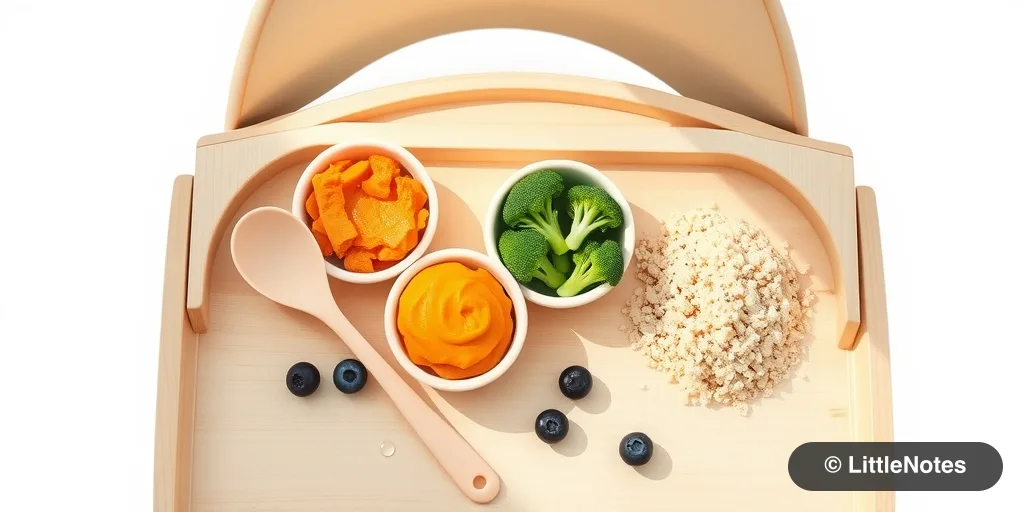
Focus on Quality, Not Quantity Instead of counting the exact milliliters or spoonfuls, focus on:
- Variety: Introduce different colors, textures, and food groups.
- Responsiveness: Feed on demand and watch for their cues rather than following a strict timer.
- Nutritional Foundations: For the first 12 months, ensure that breast milk or formula remains the main part of their diet.
Remember, every baby grows at their own pace. If your little one is hitting their milestones and has regular, healthy bowel movements, you are likely doing a wonderful job. Keep the environment relaxed and stress-free, and you’ll find that mealtime becomes a joyful experience for both of you.






Comments