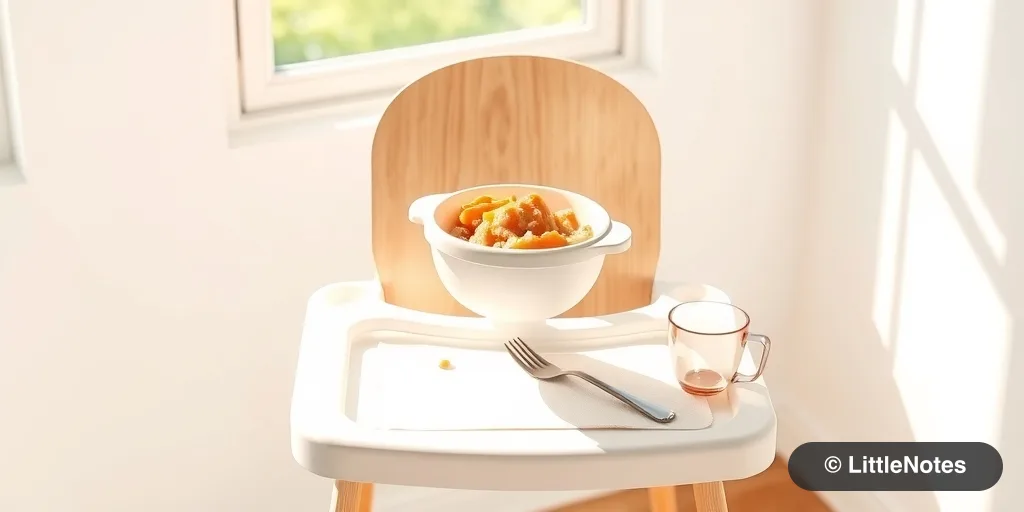
As your baby grows, the transition from one meal a day to a full routine of three meals and snacks is an exciting, albeit gradual, process. Most parents aim to add one new meal every month or so, depending on their baby's appetite and developmental readiness.
Timing the Transition
There is no rigid schedule for when this happens. A good rule of thumb is to look for cues: if the gaps between your baby’s milk feeds are shortening (e.g., less than two hours), it may be a sign they are ready for a more substantial solid meal. Most babies comfortably reach three meals a day by the end of their 8th or 9th month.
Establishing a Routine
- Go Slow: Transitioning to three meals takes time. Balance is key; ensure that milk remains the primary source of nutrition for the first year while solids complement their intake.
- Introduce Snacks Wisely: Snacks are best introduced once your baby has established a consistent rhythm with three main meals and has longer awake windows.
- Flexibility is Essential: You may find that your baby has weeks where they are ravenous and weeks where they seem less interested in solids. This is normal. Follow their hunger cues rather than the clock.
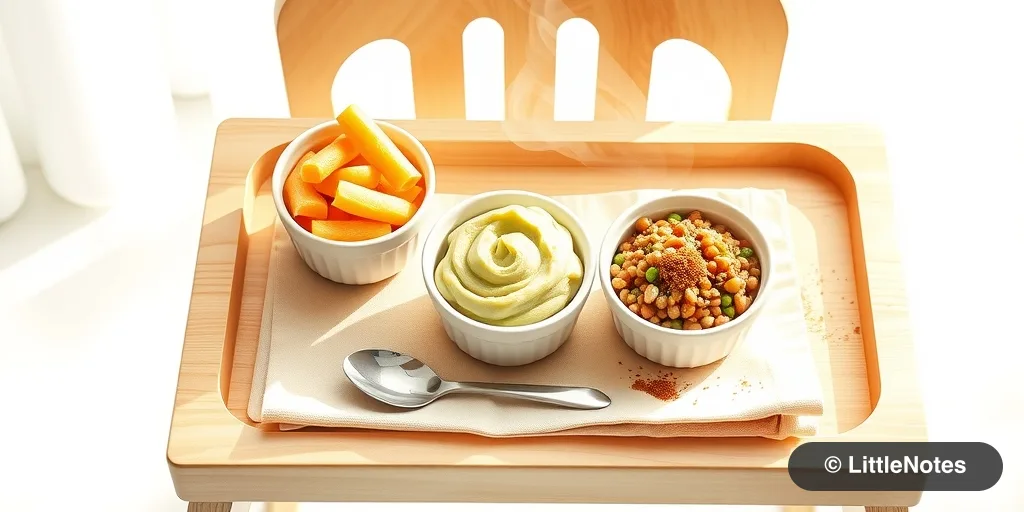
Flavor and Variety
As your baby approaches 7–9 months, you can gradually introduce mild, family-friendly seasonings. Many parents start with gentle spices like cumin, ginger, or cinnamon. Building variety through "tadka" (tempering with mild spices and healthy oils) can make food more appetizing for your little one. Start with one condiment at a time to monitor for any reactions.
The "Salt" Question
Many parents wonder when to start adding salt. While you can offer home-cooked food with a minimal amount of added salt closer to the one-year mark, you don't need to rush. Often, babies show no preference between salted and unsalted food. The most important thing is to focus on nutrient-dense, whole foods.
Above all, remember to keep mealtimes low-pressure. If your baby skips a meal, trust that they will eat when they are hungry. Your calm, consistent approach is the best tool for fostering a healthy relationship with food.



Comments