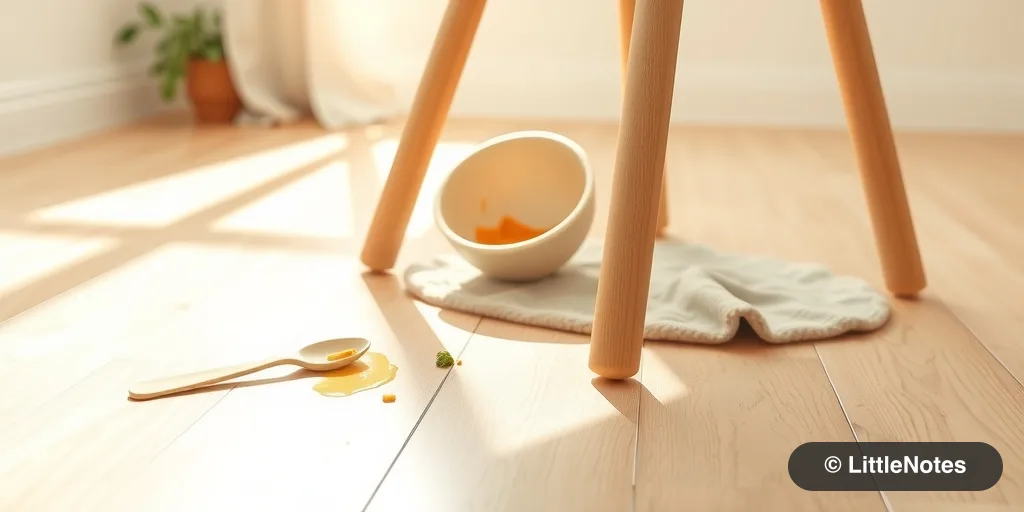
If your baby has started throwing their spoon across the room or mashing food into their hair rather than eating it, congratulations—you have a very normal, smart, and independent toddler! This phase is a common part of the journey toward self-feeding.
Why It Happens
Around 8 to 12 months, babies discover the "cause and effect" of dropping objects. They aren't trying to be difficult; they are testing their environment. It’s also common for them to show interest in feeding themselves for a few months, only to stop and request help again.
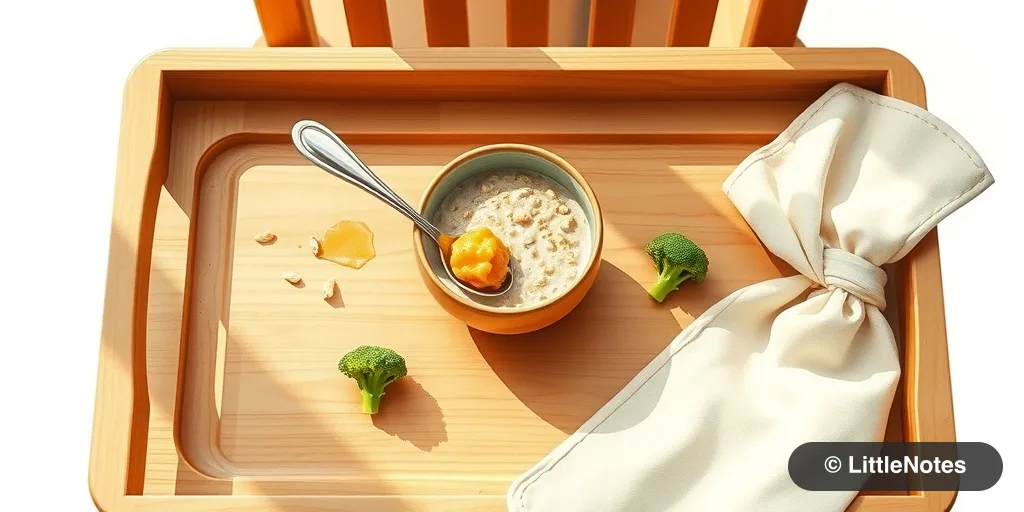
Practical Tips for Success
- Pre-load the Spoon: If you are using a spoon, try pre-loading it with food and handing it to your baby. This allows them to practice the motion of bringing food to their mouth without the frustration of scooping it themselves.
- The "Half and Half" Approach: Many parents find success using a mix of hands and spoons. Let them use their hands for finger foods and offer the pre-loaded spoon for porridge or rice-based meals.
- Model the Behavior: Eat your own meals alongside your baby. They learn by watching how you use a spoon to bring food to your mouth.
- Keep it Low-Pressure: If your baby refuses the high chair, don't force it. Some children prefer eating on a playmat or with the family. The goal is a calm, undistracted eating environment, not the location itself.
- Consistency: If they are in a "no-spoon" phase, continue to offer the spoon alongside finger foods. Eventually, their curiosity will win out, and they will start picking up the spoon again.
Remember, the goal is to make mealtime a positive connection. It’s messy, and it’s exhausting, but it’s a phase that will pass as they gain better motor skills.



Comments