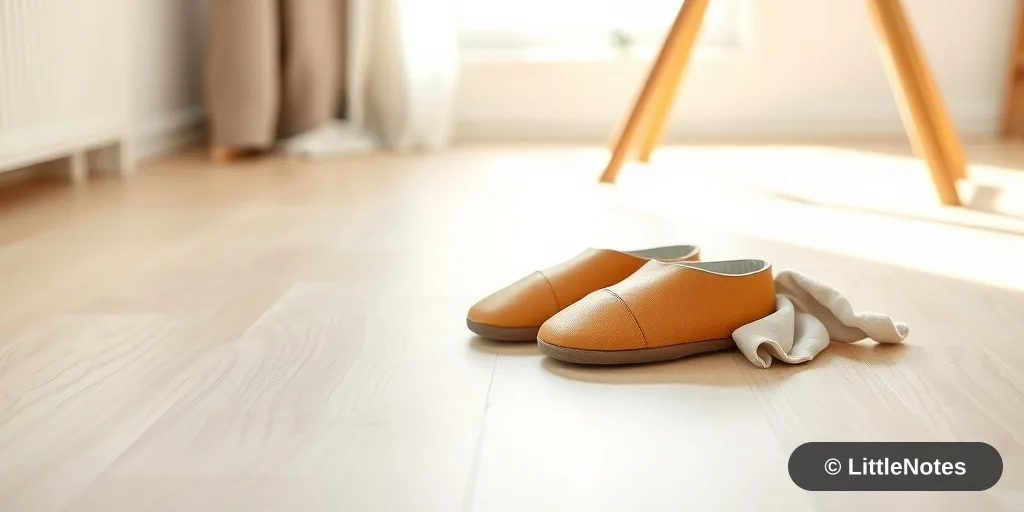
One of the most exciting milestones in your little one’s life is when they start to pull up, cruise along furniture, and eventually take those first independent steps. Naturally, many parents start to wonder: when is it time to buy real shoes, and what should I be looking for?
Barefoot is Best at First
Pediatric experts generally agree that for babies who are not yet walking outside, barefoot is best. Going barefoot allows your baby to develop the muscles in their feet, improve their balance, and gain better sensory feedback from the ground. Shoes are primarily for protection against rough surfaces or cold temperatures rather than for structural support.
When to Move to Shoes
Once your little one is confidently walking outdoors or on rough surfaces, it’s time to look for a pair of 'first walkers.' When shopping, look for these three key features:
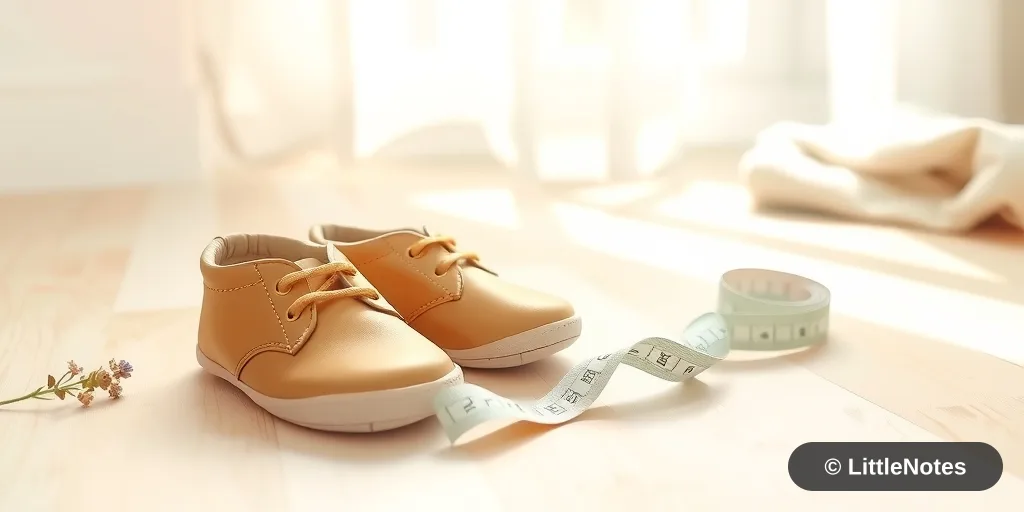
- Flexibility: The sole should be flexible enough to bend easily in your hands. If the shoe is stiff and rigid, it can hinder the natural development of the foot.
- Wide Toe Box: Look for a rounded, wide shape that allows your baby’s toes to spread out naturally. This helps with balance and long-term foot health.
- Lightweight Materials: You want a shoe that doesn't feel like a weight on their foot. Breathable fabrics like canvas or soft, high-quality leather are excellent choices for growing feet.
Getting the Right Fit
Foot size can change rapidly at this age, so it’s important to have your child’s feet measured every 6–8 weeks. A common mistake is buying shoes that are too big so the child can 'grow into them.' However, shoes that are too large can cause tripping and instability. A thumb’s width of space between the longest toe and the end of the shoe is usually the perfect amount of growing room.
Practical Tip
When trying on shoes for the first time, your baby might try to curl their toes inward. This is a natural reflex! Try having them stand up in the shoes to allow their toes to flatten out before you check the fit. If you are ever unsure about your child's gait or foot development, consult your pediatrician for guidance.
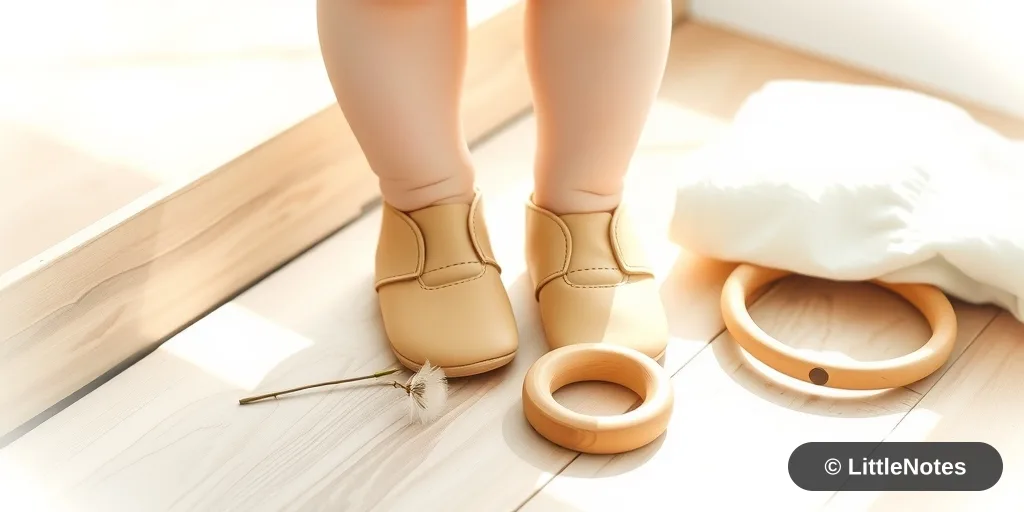
Remember, the most important 'shoe' for a new walker is one that stays on easily and doesn't interfere with their natural movement. Keep it simple, keep it flexible, and enjoy those precious first steps!


Comments