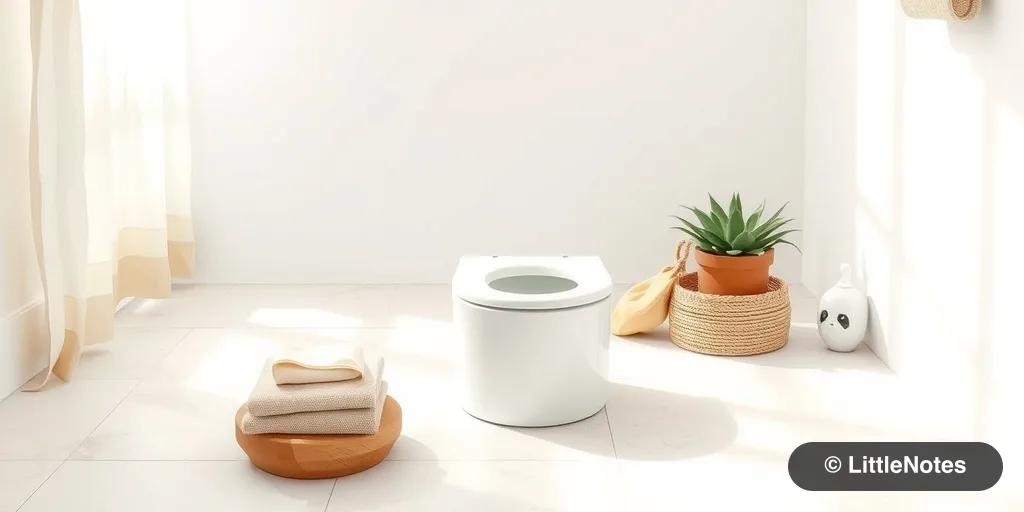
Potty training is a journey that looks different for every family. Whether you are interested in Elimination Communication (EC) or traditional training, the key is consistency and observation.
Observe the Cues
Before actively 'training,' watch your baby to learn their natural rhythm. Do they typically go after a meal, upon waking, or before a bath? Recognizing these patterns is half the battle.
Building Association
- Use Sign Language: Simple signs for 'pee' or 'poop' can help your toddler communicate their needs before they have the words. Say the words clearly every time you change a diaper so they begin to associate the sensation with the action.
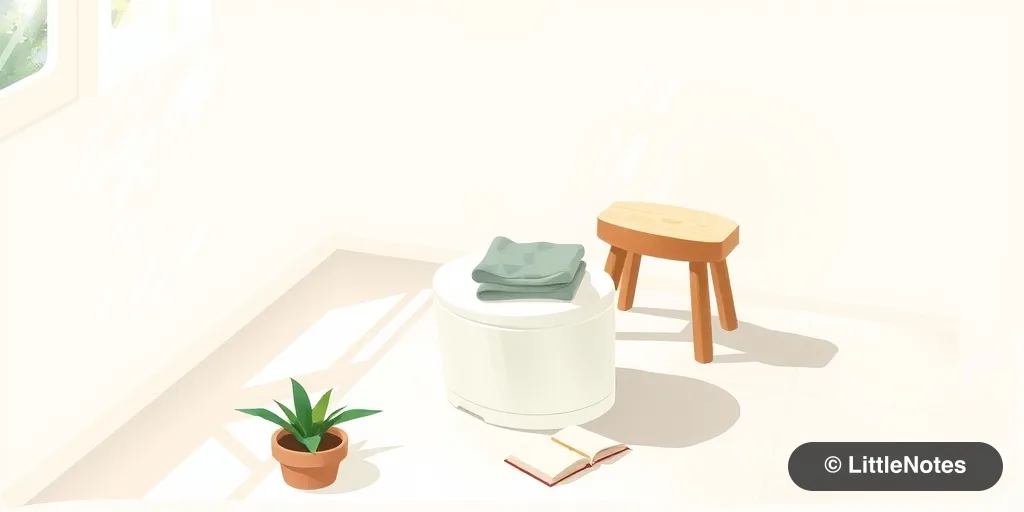
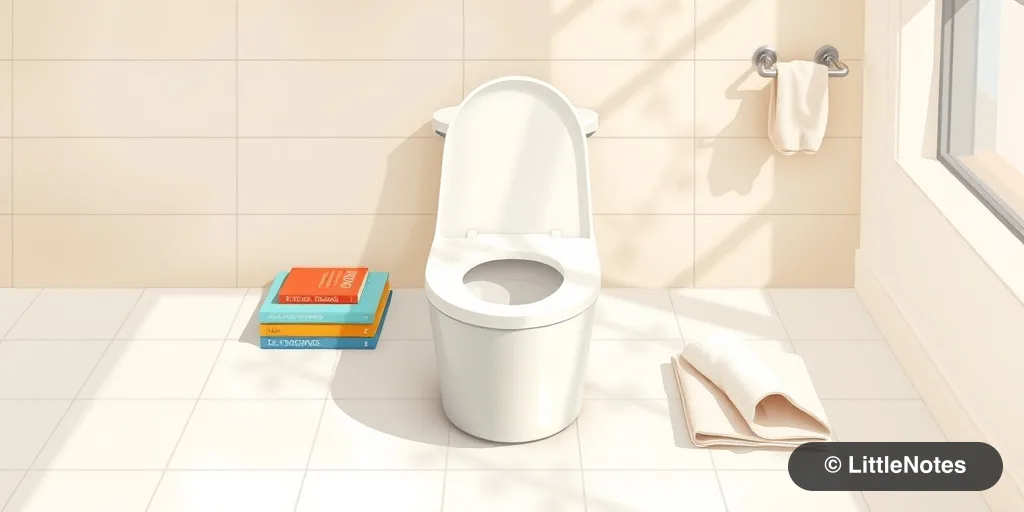
- Comfort is Key: Whether you use a small potty chair or an attachment on your regular toilet, ensure your child feels secure. If using a full-sized toilet, ensure they have a stool or support for their feet, as dangling legs can make them feel unstable and anxious.
- Keep it Pressure-Free: Avoid getting discouraged if your child resists. If they are going through a phase of separation anxiety or have had a bad experience, it is perfectly okay to pause and restart in a few weeks.
Expert Tip: Many parents find that 'poop' training is easier to establish first because the cues are more predictable. Don't worry about being perfect—every missed cue is just part of the learning process for both you and your child.



Comments