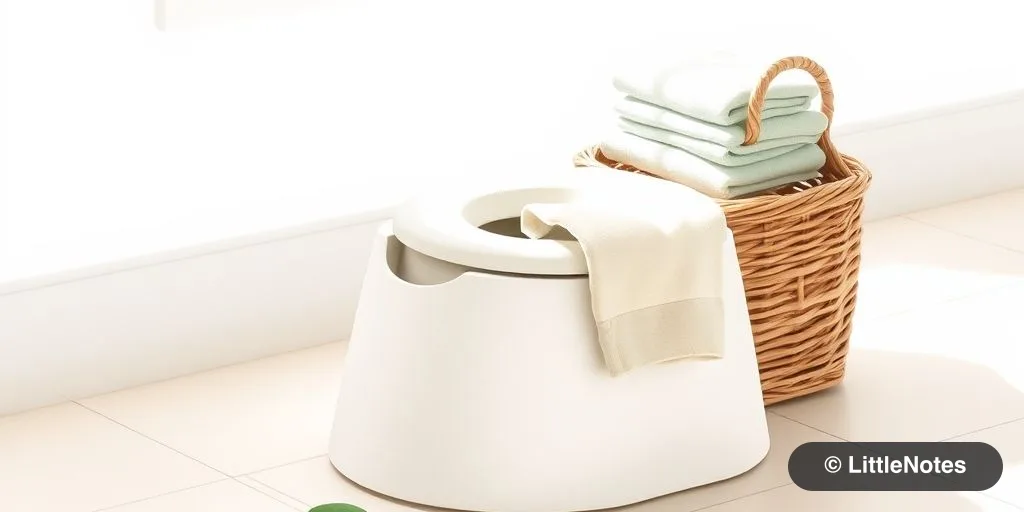
Starting the potty training journey is a big milestone for both you and your little one. Many parents find success by starting around 5–6 months using a method known as Elimination Communication (EC), which focuses on observing your baby's natural cues—like wiggling or specific timing—rather than forcing a rigid schedule.
Choosing the Right Gear
When selecting a potty seat, prioritize stability and comfort. Many parents prefer seats that provide good support for the back and hips, ensuring your baby’s knees are higher than their hips for easier elimination. Look for:
- Sturdy Design: A base with non-slip silicone or rubber grips is essential to keep the seat from sliding on the toilet rim.
- Proper Fit: A seat that allows your child to keep their feet flat (once they are tall enough) or offers a step-stool transition is ideal for long-term use.
- Simplicity: Starting with a standalone potty chair can often be more intuitive for a baby than jumping straight to an adult-sized toilet seat.
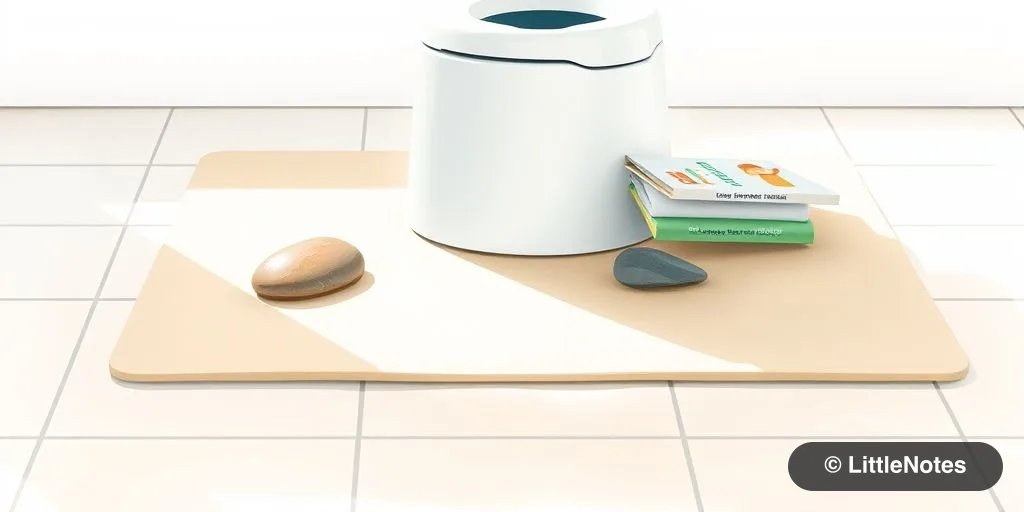
Tips for Success
- Watch the Cues: Focus on your baby’s signals (like morning habits or post-feeding rhythms) rather than setting an alarm.
- Stay Flexible: If your baby is constipated or showing significant resistance, it is often best to pause. Ensure their diet includes enough fiber and consult your pediatrician if constipation persists.
- Consistency Matters: Once you begin, keep the process low-pressure. If they struggle with the seat, try introducing it slowly or using a different style that feels more secure for them.
Disclaimer: Always consult your pediatrician if you have concerns about your child's bowel habits or developmental readiness for potty training.



Comments