Star charts, sticker rewards, treat incentives — the debate around reward systems for toddlers is one that divides parents. Some swear by them; others worry they are creating little mercenaries who only perform for prizes. The truth, as with most parenting decisions, lies somewhere in the middle.
The Case Against
The primary concern with reward systems is well-documented: children may start doing things solely for the reward rather than developing intrinsic motivation. One parent summarised it well: "There is evidence that this leads to children doing or not doing certain things just for the sake of the reward. That is not what I would want."
When a child brushes teeth only because a star is at stake, what happens when the chart is gone?
When Rewards Actually Work
Despite the theoretical concerns, several parents have found targeted reward systems genuinely helpful — not as a general parenting tool, but as a specific intervention for stubborn problems.
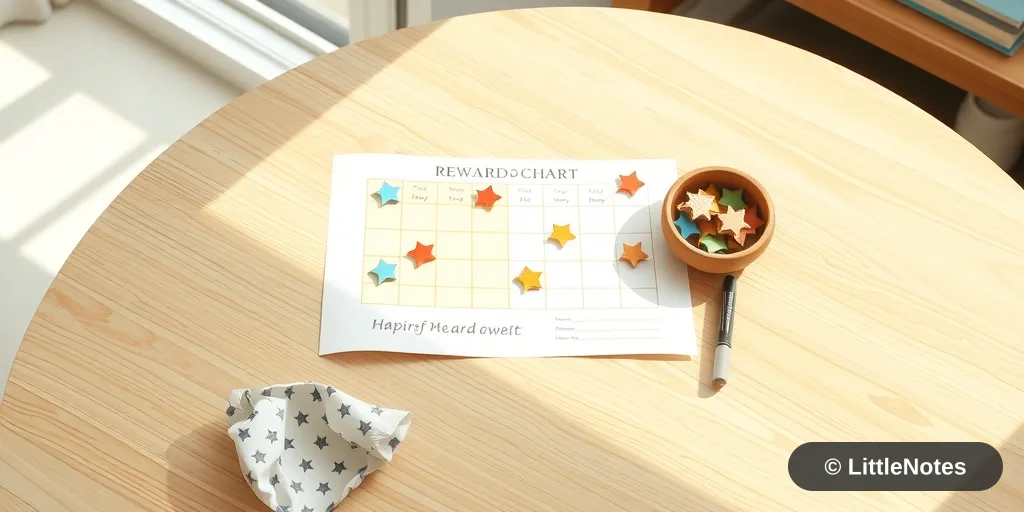
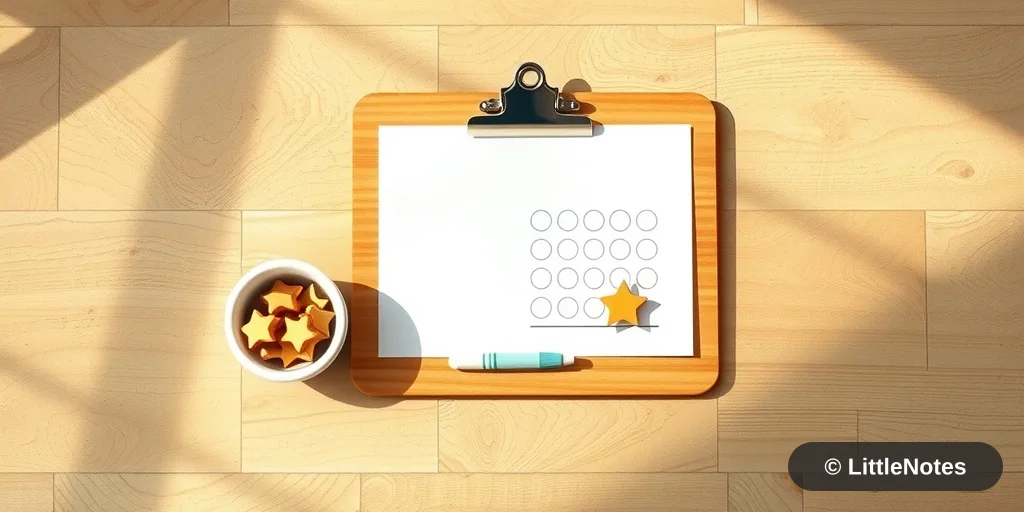
One parent used a rainbow chart for fruit and vegetable intake because her son had a significant eating issue. Filling the rainbow with colorful stars over two to three weeks earned a small present. The key was that the timeline was long enough that the reward felt earned, not transactional.
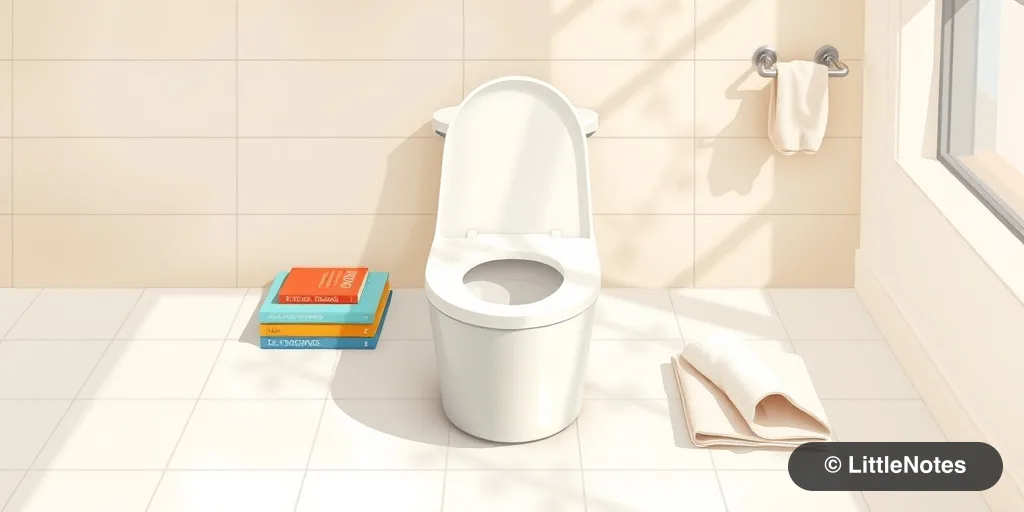
Another used smiley stickers specifically to address a constipation issue where the child was resisting bowel movements. The visual tracker helped the child see progress and feel motivated.
Guidelines That Work
If you decide to try a reward system, here is what experienced parents suggest:
- Use it for specific, stubborn problems — not as a general behavior tool
- Keep the reward timeline long — two to three weeks, not daily
- Make the reward small and experience-based rather than material
- Plan your exit — the goal is to build the habit, then phase out the chart
- Never use it as punishment — removing stars or stickers creates anxiety
The Alternative
For most daily routines — brushing teeth, tidying up, eating meals — building habits through consistency, modeling, and gentle repetition tends to work better long-term. Making activities fun (the clean-up song, the tooth-brushing timer) creates positive associations without the transactional element.
As with everything in parenting, know your child. Some respond beautifully to visual progress trackers. Others could not care less about a sticker. Trust your instincts and adjust.




Comments