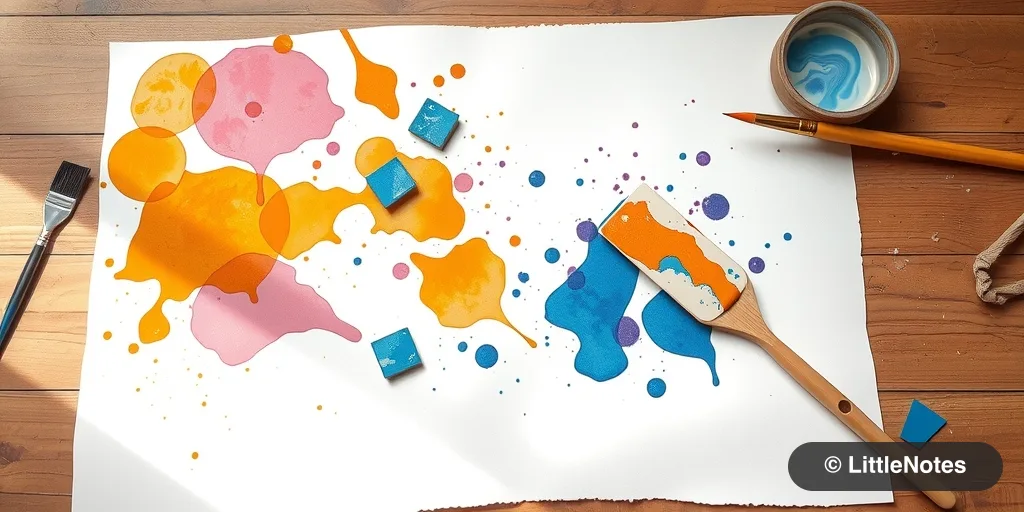
In the world of toddler activities, we often feel pressured to produce a 'perfect' craft to hang on the fridge. However, there is a growing movement in early childhood development known as 'Process Art.' Unlike product-oriented crafts—where the goal is to make a specific flower, animal, or card—process art is entirely focused on the experience of creating.
What is Process Art?
Process art is child-led and open-ended. It’s about the joy of squishing paint between fingers, watching colors mix, or feeling the texture of clay. There is no 'right' way to do it and no finished product required. For children aged 1–4, this approach is invaluable because it removes the pressure to perform and encourages pure, sensory-driven curiosity.
Why It Matters for Development
- Building Confidence: When a child realizes they cannot 'fail' at an art project, their confidence flourishes. They learn to trust their own choices and instincts.
- Sensory Engagement: Exploring different mediums—paints, textures, and tools—helps toddlers process sensory input, which is a key part of their brain development in the first few years.
- Developing Independence: By letting children decide how to apply paint, what tools to use, and how long to work on a task, you are fostering the autonomy they crave at this age.
How to Bring Process Art Home
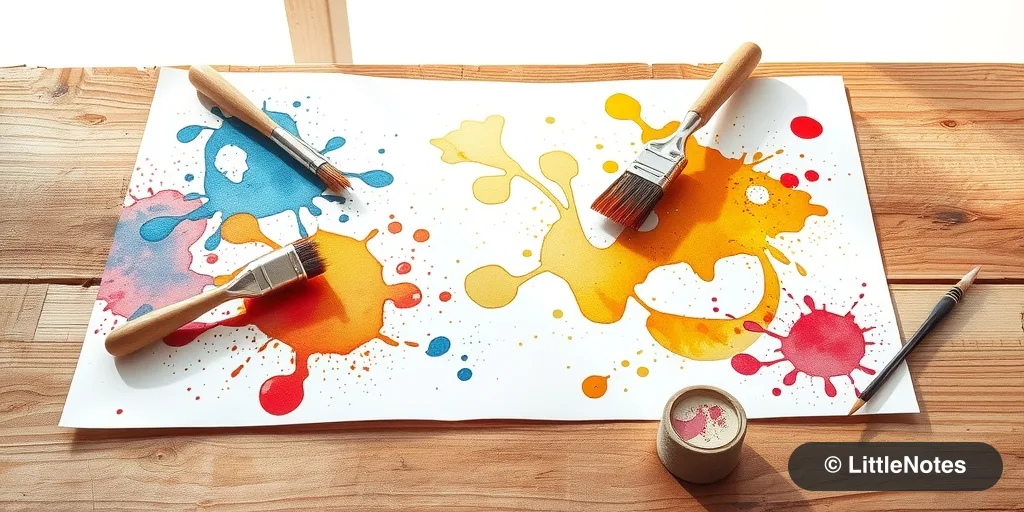
You don't need a formal class to get started. Here are a few simple ways to set up a 'process-friendly' zone at home:
- The 'Safe-to-Mess' Space: Clear a small area with an easy-to-clean floor. Using a mess-mat or newspapers can help you relax, knowing the cleanup will be quick.
- Limit the Options: Instead of a cluttered craft drawer, offer two or three items—perhaps thick paper and two colors of finger paint. Too many options can be overwhelming for a toddler; fewer options often lead to deeper exploration.
- Focus on the Action, Not the Result: Instead of asking, 'What are you making?', try saying, 'I see you are using big, circular motions with your brush,' or 'That blue is really bright next to the yellow.' This validates their effort without imposing a goal.
Remember, the goal of these sessions is to create a space where your little one feels safe to experiment. If the paint ends up everywhere, just remember: it's not a mess; it's a masterpiece in progress!


Comments