If you’ve noticed unexplained respiratory issues, frequent colds, or persistent coughs in your toddler, the environment in your home might be a contributing factor. For families living in homes with limited natural light or high humidity, mold can become an unwanted houseguest.
Why Mold Matters
Indoor mold spores can irritate a young child's sensitive respiratory system. If you spot black spots behind wallpapers, in corners, or near damp areas, it is important to address them promptly.
Practical Steps for a Healthier Home
- Professional Assessment: If you suspect a larger issue, look for professional mold treatment or remediation services in your area. They can identify the source and treat areas that aren't immediately visible.
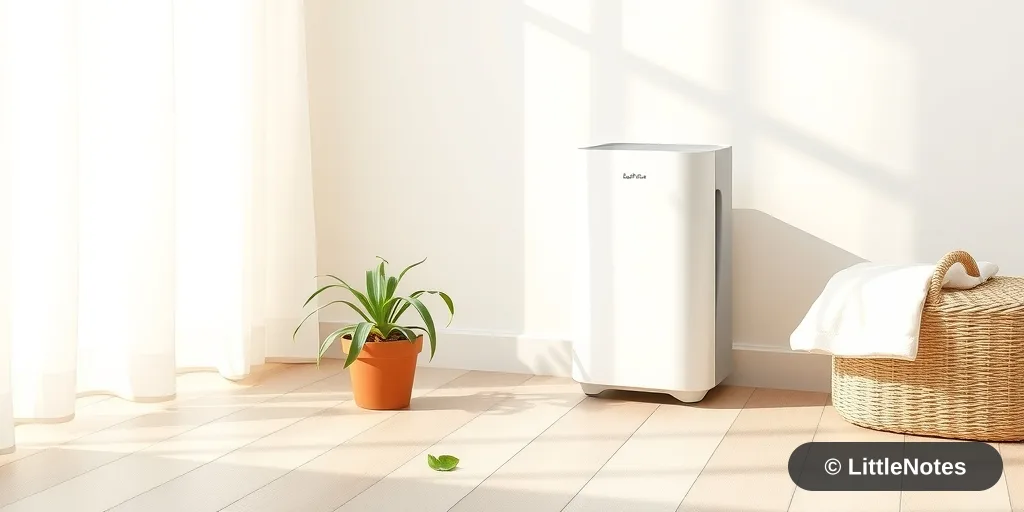
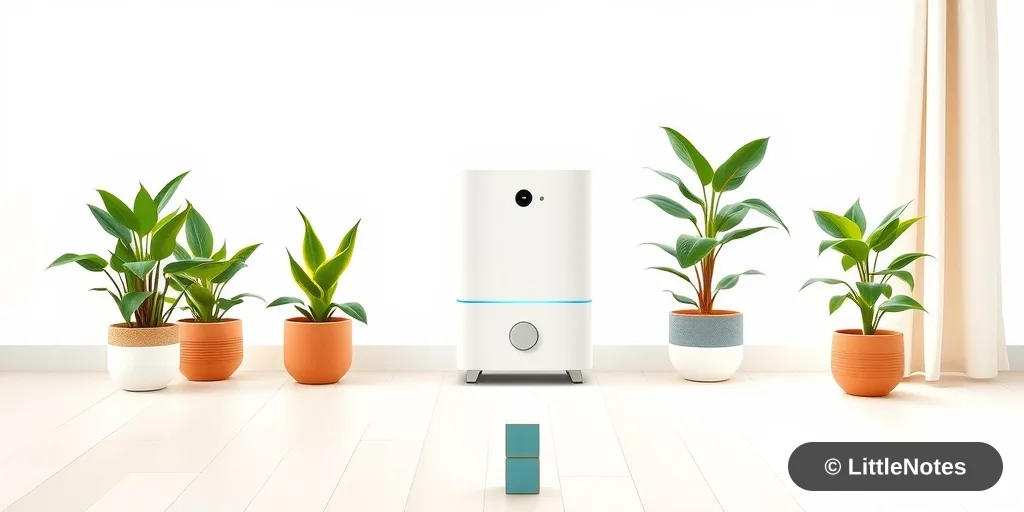
- The Power of Dehumidifiers: In damp or poorly ventilated rooms, a dehumidifier can be a game-changer. By reducing moisture levels, you make the environment far less hospitable for mold growth.
- Maximize Airflow: Keep windows open whenever possible to encourage air circulation. For rooms with zero sunlight, try to keep furniture slightly away from walls to prevent stagnant, moist air from getting trapped behind them.
- Consistent Cleaning: Regularly check dark, hidden corners of the home where moisture tends to accumulate.
If you notice your child's respiratory symptoms worsening or not subsiding, always consult your pediatrician to rule out other medical causes.



Comments