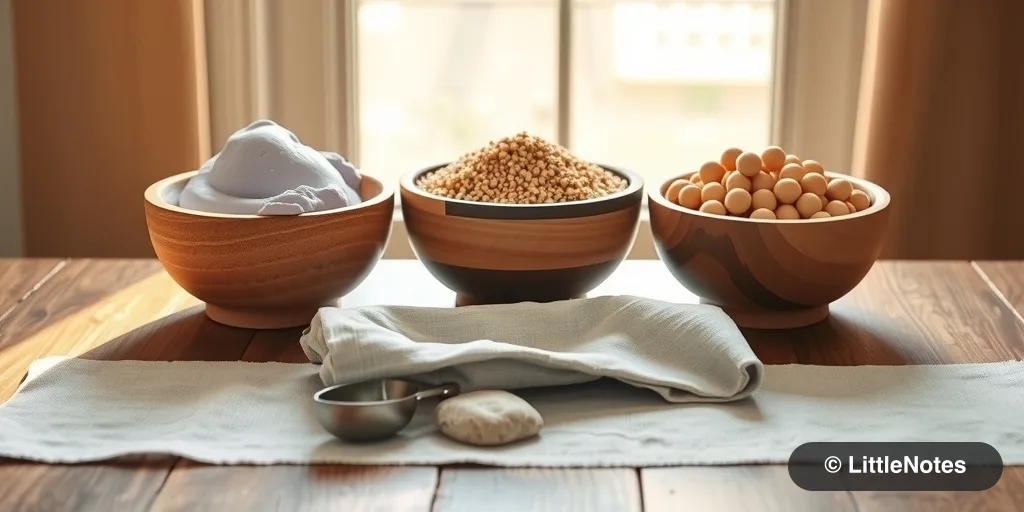
Sensory play is a cornerstone of early childhood development, helping infants and toddlers explore textures, build fine motor skills, and spark their imagination. While there are many expensive kits on the market, you can create a world of wonder right in your living room using everyday household ingredients.
Why Sensory Play Matters
Sensory experiences—touching, squishing, and observing different textures—provide vital input for your child's developing brain. It is particularly soothing for children who are curious about the world and can be a grounding activity for neurodiverse little ones.
Easy DIY Sensory Recipes
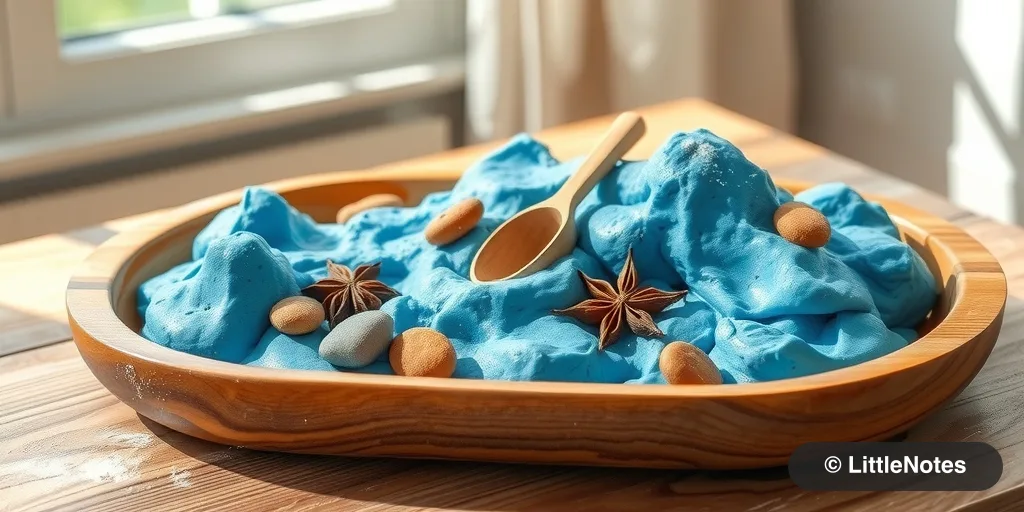
1. The Classic 'Oobleck' (Non-Edible) This fascinating non-Newtonian fluid feels like a solid when squeezed but flows like a liquid when released.
- Ingredients: 1 cup cornstarch, ½ cup water (adjust as needed), optional food coloring.
- Method: Mix the cornstarch and water in a bowl. Slowly adjust the consistency until you get that perfect “solid-yet-liquid” texture.
2. Taste-Safe 'Yogurt Paints' Perfect for younger toddlers or babies who explore everything by putting it in their mouths.
- Ingredients: Plain or Greek yogurt.
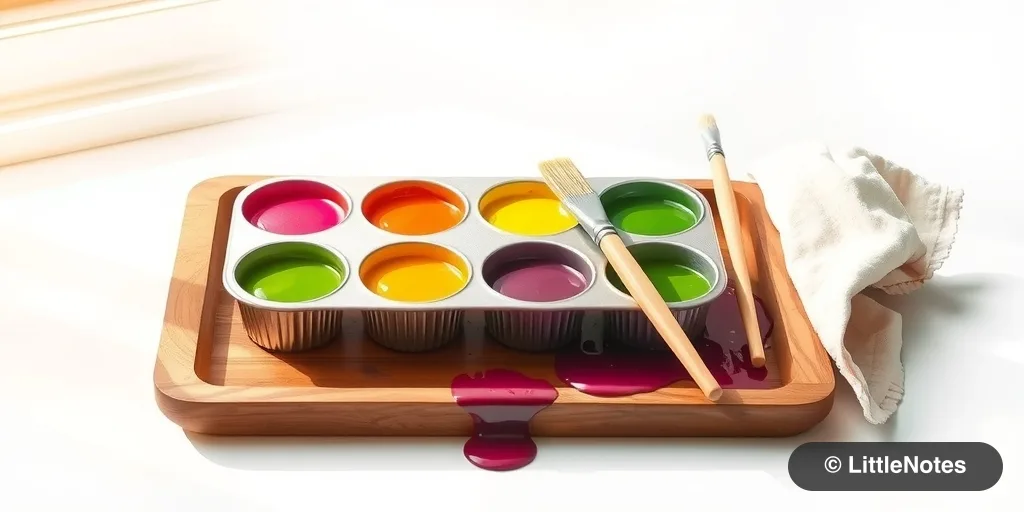
- Colors: Mix in natural pigments like beet juice (red/pink), blueberry juice (purple), turmeric (yellow), spinach juice (green), or carrot juice (orange).
- Method: Place the colored yogurt in a muffin tin or shallow tray. Let your little one explore with brushes, sponges, or their fingers. It’s 100% taste-safe and cleanup is as easy as a quick wipe-down.
Quick Sensory Ideas for Any Age
- Sensory Zip-Lock Bags: Fill small, heavy-duty bags with textured items like dried beans, cotton balls, or colorful pom-poms. Seal them tightly with tape. Your infant can squish and observe the shifting contents safely.
- Paper Towel Magic: Using washable markers, draw shapes on a paper towel. Place it in a shallow tray of water and watch the colors “magically” appear as the water travels up the paper. This is fantastic for visual tracking and teaching cause-and-effect.
- Tactile Bins: Use bases like colored rice, dry pasta, or cornflakes to create a “sand-like” box for digging and pouring.
A Note on Safety: Always supervise your child closely during sensory activities, especially when using small items like beans or rice that could pose a choking hazard. Choose materials that match your child's developmental stage—if they are still in the “everything-in-the-mouth” phase, stick to taste-safe recipes like yogurt or pureed fruit.



Comments