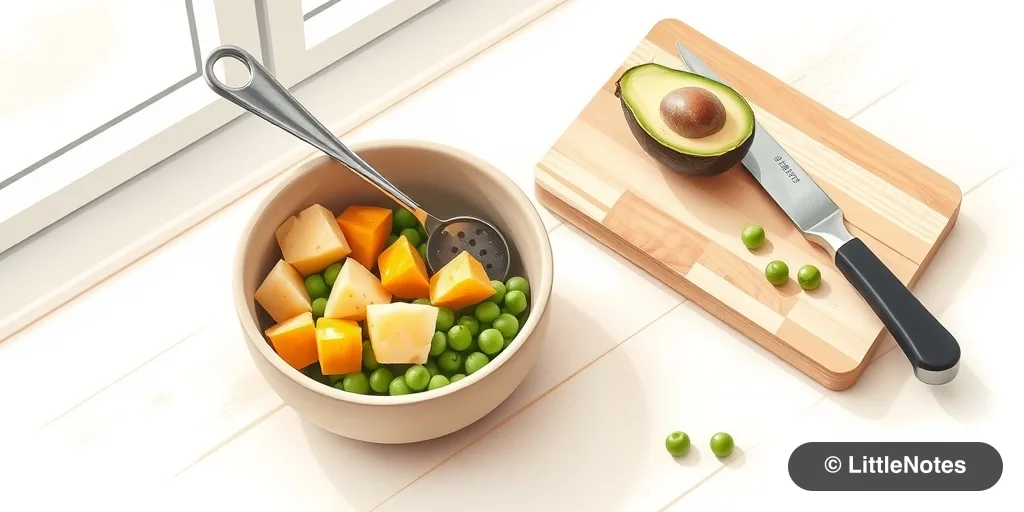
If you find yourself overwhelmed by the gadgets advertised for baby food, take a deep breath. You likely don’t need a specialized baby food processor.
The Steam-and-Mash Approach Most parents find that a simple steel steamer, a small pressure cooker, or even a basic steaming plate is more than enough. In fact, many prefer cooking vegetables in a small steel vessel inside a standard pressure cooker. This preserves the nutrients and often creates a small amount of liquid that can be used to thin out the puree. Once steamed, foods are usually soft enough to be mashed with a simple fork or spoon—no complex blending required.
Managing the Load
- Family Integration: Instead of cooking separate meals, aim to integrate your baby into family pot meals. If you are making dal, khichdi, or sautéed veggies, set aside a portion for your baby before adding excessive salt or spice for the adults.
- Storage: While batch cooking is convenient, many parents prefer offering fresh food during the first few months. If you do batch prep, ensure you follow safe storage guidelines and reheat thoroughly.
- Keep It Practical: The puree phase is relatively short. Invest in tools that have longevity, like a high-quality stainless steel set or a portable mixer that you’ll use long after your baby transitions to finger foods.
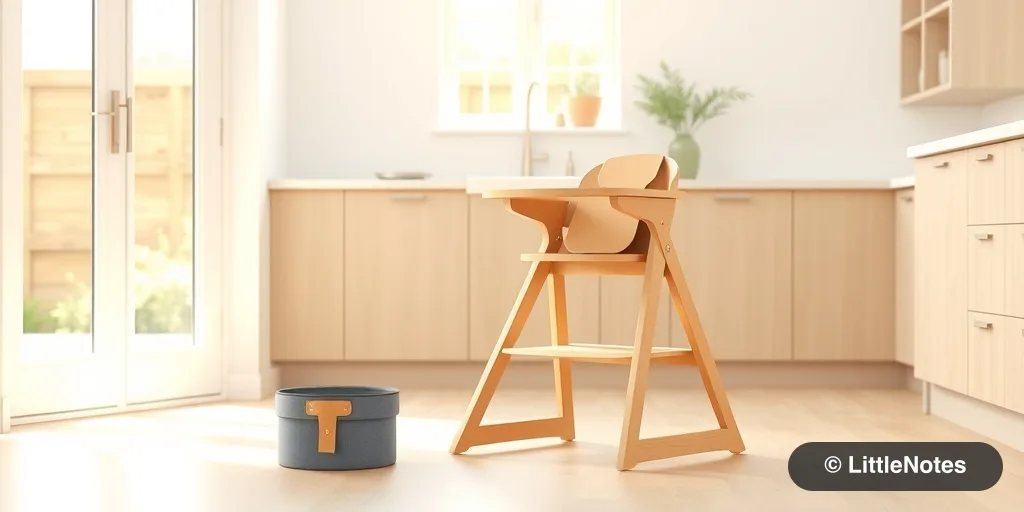
A Note on High Chairs As your baby grows, a good high chair becomes your best friend. Look for one with a five-point harness, a removable tray for easy cleaning, and an adjustable height. If you travel frequently, consider a lightweight, foldable booster or chair that can tuck into a suitcase. Whatever you choose, remember that the most important thing is creating a safe, consistent space for your child to enjoy their meals.



Comments