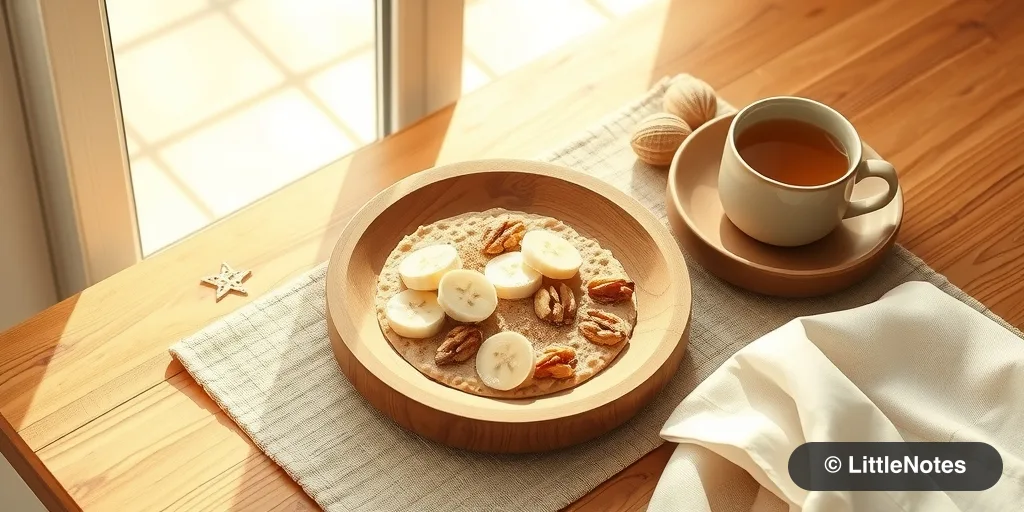
As parents, we often focus on the logistics of sleep—schedules, white noise, and soothing techniques—but nutrition also plays a surprising role in how easily a child drifts off. Certain foods contain natural substances like serotonin, melatonin, and tryptophan that can help promote relaxation and sleepiness. Integrating these into a dinner meal (at least one hour before sleep) or a light bedtime snack can be a helpful, gentle addition to your nightly routine.
The Science of Sleepy Foods
To understand why these foods help, it is helpful to look at the 'big three' substances:
- Melatonin: Known as the 'sleep hormone,' it helps regulate the body’s circadian rhythm.
- Serotonin: A neurotransmitter that promotes feelings of happiness and well-being, which is a precursor to melatonin.
- Tryptophan: An essential amino acid that the body converts into serotonin and then melatonin.
Nutrient-Dense Sleep Helpers
When planning your child's evening meal or snack, consider these categories:
- Fruits: Kiwi and cherries are naturally high in melatonin. Bananas offer both serotonin and melatonin, while strawberries provide Vitamin C alongside melatonin.
- Nuts and Seeds: Pistachios are a standout for melatonin content. Walnuts and cashews contain magnesium and potassium, which help synthesize serotonin. Pumpkin and sesame seeds are excellent sources of tryptophan.
- Proteins and Dairy: Eggs are an excellent source of both tryptophan and melatonin. Dairy products like milk, cheese, and yogurt provide tryptophan, with yogurt additionally offering magnesium and B-vitamins.
- Complex Carbohydrates: Oats are high in amino acids that improve melatonin production, while sweet potatoes are rich in potassium, which can help combat sleep deprivation.
- Legumes: Tofu contains isoflavones that may increase serotonin, and chickpeas are a surprisingly rich source of melatonin. Edamame offers a high magnesium content to improve sleep quality.
The 'Secret' Rule: Pairing is Key
Crucially, tryptophan-rich foods need help from complex carbohydrates to be effective. Combining a protein source with a carbohydrate helps the tryptophan cross the blood-brain barrier more effectively.
Try these combinations:
- Whole-wheat pasta topped with grated cheddar cheese.
- Egg sandwich on whole-wheat bread with a slice of Swiss cheese.
- Scrambled eggs served with a side of wheat roti.
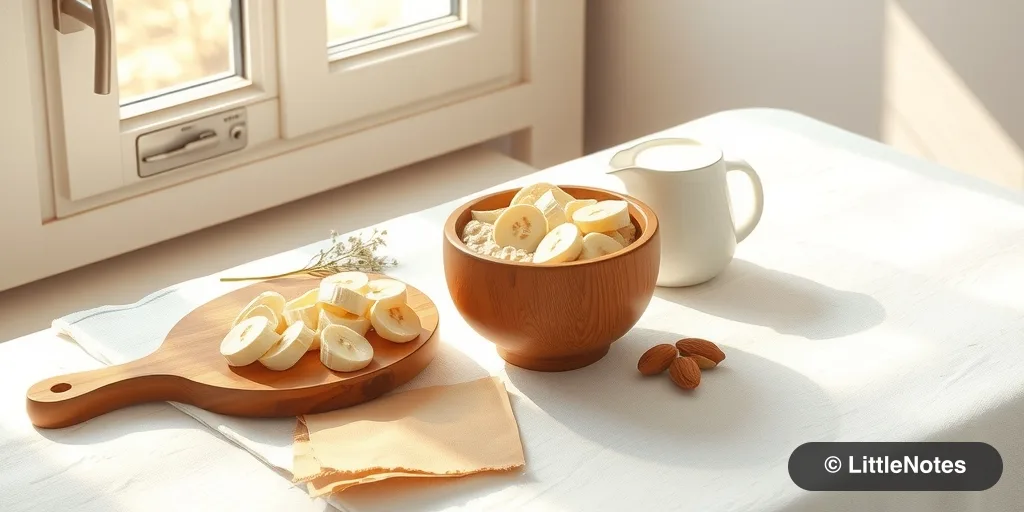
- Banana paired with almond butter.
- Oatmeal topped with dried fruits and seeds.
A Realistic Outlook
It is important to remember that food is only one piece of the puzzle. Diet cannot 'cure' sleep issues, and many other environmental and biological factors influence how well a child sleeps. If you have concerns about your child's sleep quality or nutritional needs, always consult your pediatrician. Ensure that any whole nuts or seeds are chopped or ground to prevent choking hazards in younger children.



Comments