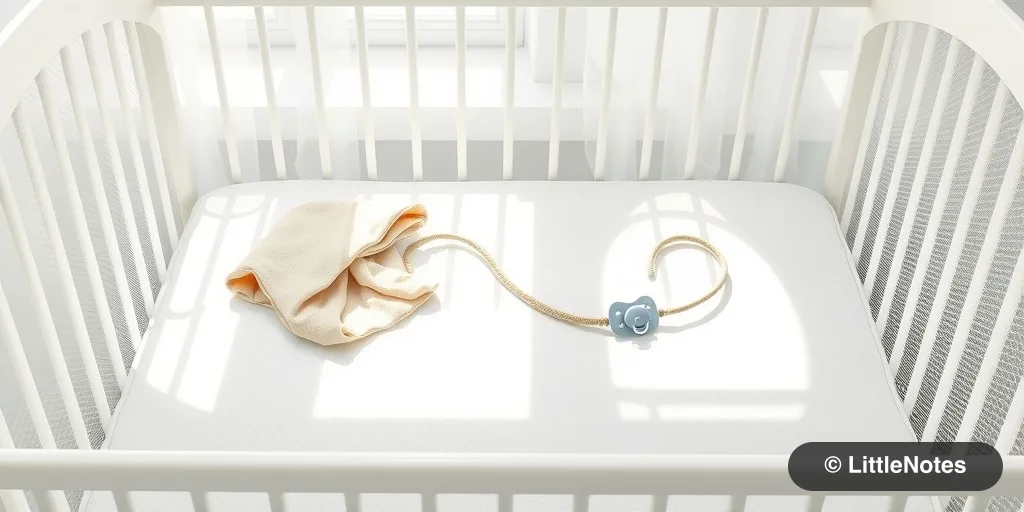
As your baby begins to hit developmental milestones like rolling over, you may notice a shift in their sleep habits—specifically, a newfound preference for sleeping on their side. For many parents, this sudden change can raise concerns about sleep safety and wakefulness.
Is Side-Sleeping Safe?
Once a baby is strong enough to roll independently in both directions (front to back and back to front), they are generally capable of adjusting their position during sleep. If your little one rolls onto their side on their own, it is typically considered safe to let them remain there. However, always ensure their sleep space remains firm and free of any soft bedding, pillows, or toys. If you find them on their side, you do not necessarily need to reposition them, provided they have moved there independently.
Why Do They Switch?
Often, side-sleeping is a sign of your baby’s increasing physical autonomy. Interestingly, some infants may turn to their side if they are struggling with a slightly stuffy nose, as this position can sometimes make breathing feel more comfortable than lying flat on their back. As they gain more control over their neck and body, they will likely shift to a position that feels most natural to them.
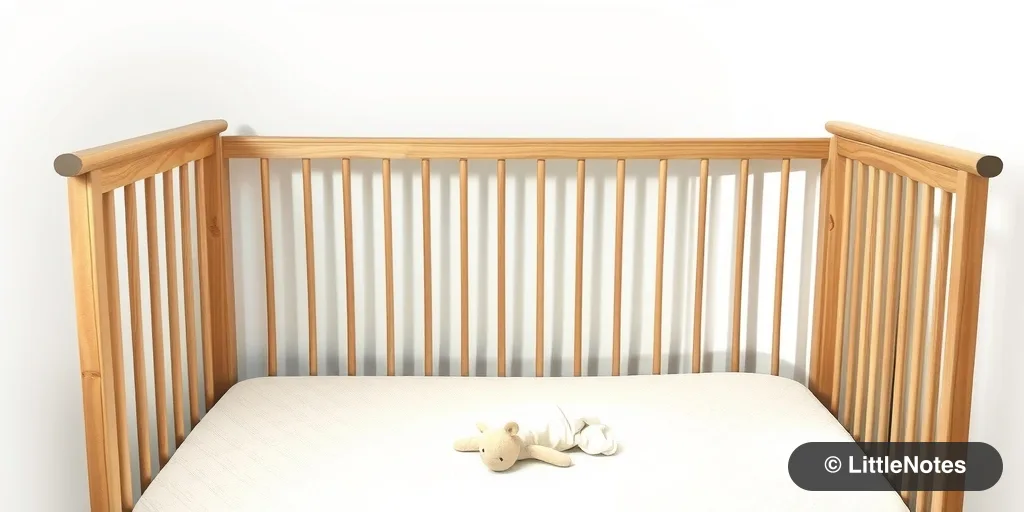
Managing the Side-Sleeping 'Leak'
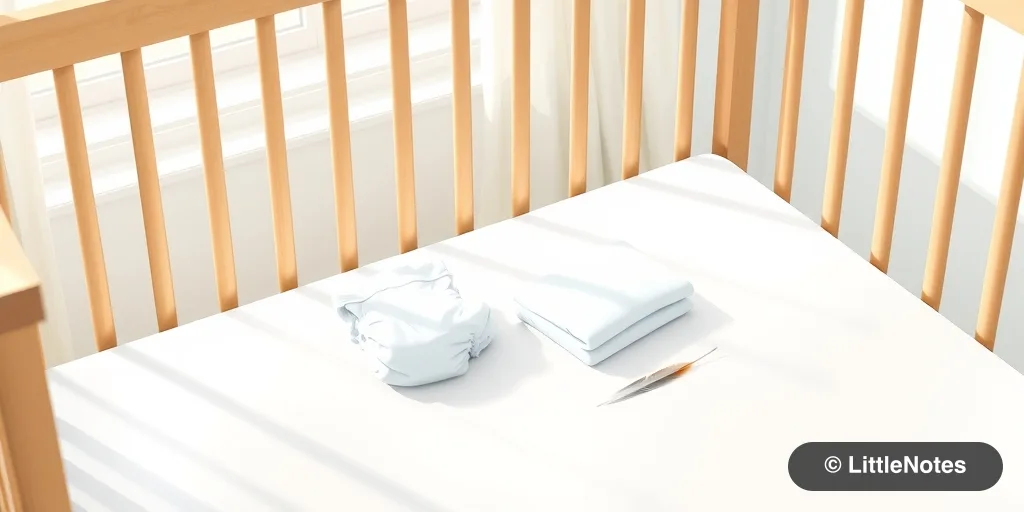
One of the most common logistical hurdles of side-sleeping is nighttime diaper leaks. When a baby lies on their side, pressure can shift, leading to gaps in the diaper's fit. Here are a few strategies that have helped many parents:
- Size Up: If you are noticing persistent leaks, your baby may benefit from the next diaper size up, especially for nighttime use.
- Switch Styles: If you are currently using tape-style diapers, consider transitioning to pant-style diapers. These are often designed to provide a more secure, 360-degree fit that holds up better to movement and side-sleeping.
- Check Absorbency: Look for diapers specifically marketed for overnight use, which typically have higher absorbency cores to keep your baby dry for longer stretches.
A Note on Sleep Safety
Always ensure your baby’s crib mattress is at the lowest setting once they begin to pull themselves up or show signs of standing. Keep the crib environment completely clear of blankets and plush toys to prevent any risk of suffocation or climbing. If you are concerned about your baby’s breathing or if they seem consistently restless, it is always a good idea to consult your pediatrician to rule out congestion or other health issues.
Remember, every developmental shift brings a period of adjustment. Stay patient, keep your baby’s sleep space minimal and safe, and don't hesitate to reach out to your pediatrician if you have specific concerns about their sleep habits.



Comments