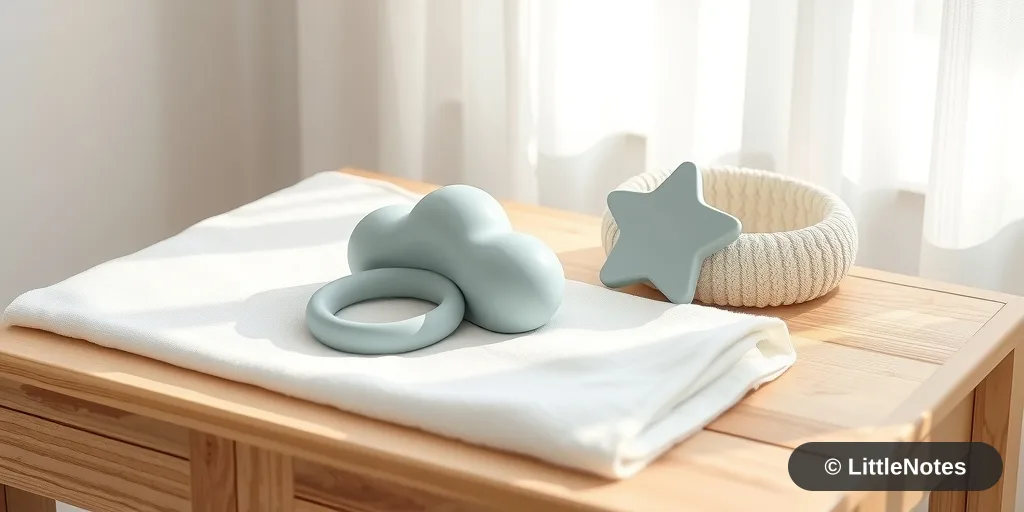
It is a common milestone that often catches new parents off guard: the sudden, incessant need for your baby to gnaw on everything in sight. While it often begins around 4 months, this oral exploration is frequently a sign of teething discomfort.
When your baby is fussy, especially at night, it’s natural to want to provide immediate relief. Many parents find success with a combination of sensory and physical soothing strategies:
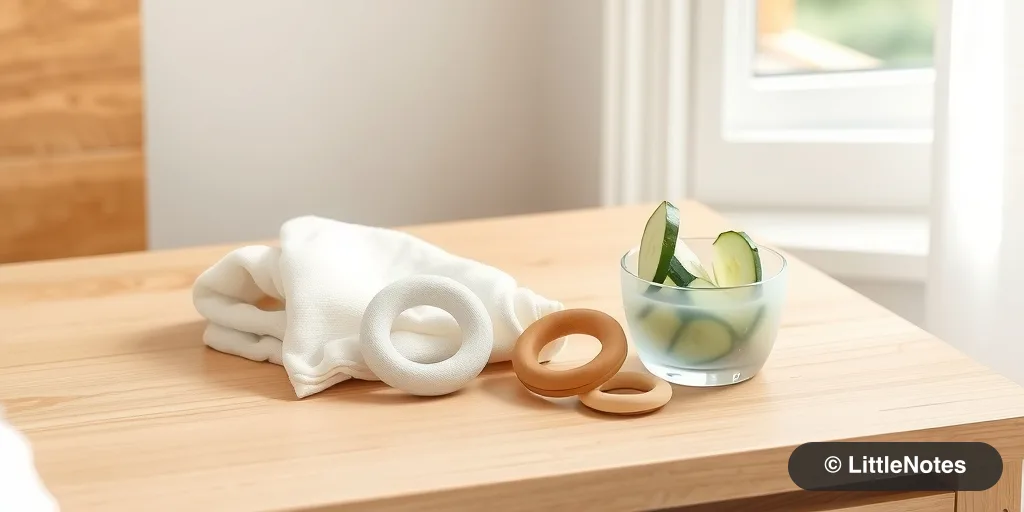
- Safe Teethery: Silicone or wooden teethers are popular choices. Some parents find that chilling the teether in the refrigerator (not the freezer, to avoid extreme temperatures) helps soothe inflamed gums. Always prioritize BPA-free, high-quality materials.
- The Frozen Cloth Trick: A simple, effective hack involves dipping a clean muslin or washcloth into breast milk or water, freezing it, and offering it to your baby to chew on. The cold temperature acts as a natural numbing agent.
- Gentle Massage: Using clean fingers to provide light, firm pressure on the gums can offer relief.
- Homeopathic Support: Some parents consult their pediatricians about gentle, homeopathic options like Calcarea phosphorica to help with teething irritability. If you consider this, always ask your pediatrician for the correct dosage and administration method—crushing tablets and mixing them into a small amount of milk or food is a common way to ensure your baby receives the dose safely.

A Note on Medication: If your baby seems inconsolable or in significant pain, resist the urge to jump straight to over-the-counter pain relievers. Always consult your pediatrician first to ensure the dosage is weight-appropriate and that the symptoms are indeed related to teething.
Remember to keep all teething items clean. Washing them daily with mild soap and water—or more frequently if they fall on the floor—is essential for hygiene. Every baby experiences teething differently; trust your intuition and reach out to your healthcare provider if you are ever worried about your baby’s level of distress.



Comments