
When you begin the journey of introducing solids, it’s easy to feel overwhelmed by conflicting advice. While some sources may suggest aggressive meal schedules, the general consensus among experienced parents is that slow and steady wins the race.
The Golden Rule: Quality Over Quantity
In the early months (6–8 months), breast milk or formula remains the primary source of nutrition. Solids are primarily for exploration, texture discovery, and building a positive relationship with food. Rather than pushing for many meals a day, start with one meal and gradually increase. A common rhythm is adding one meal every few weeks as your baby shows interest, eventually settling into a routine of three meals and two optional snacks as they approach the 10-month mark.
Designing Your Daily Routine
There is no "one size fits all" schedule, but most parents find success in keeping milk feeds as the anchors of the day (first thing in the morning and right before bedtime) while offering solids in between. This helps ensure your little one is getting essential nutrients from milk while still having a dedicated appetite for exploring food.
Maintaining the Gap
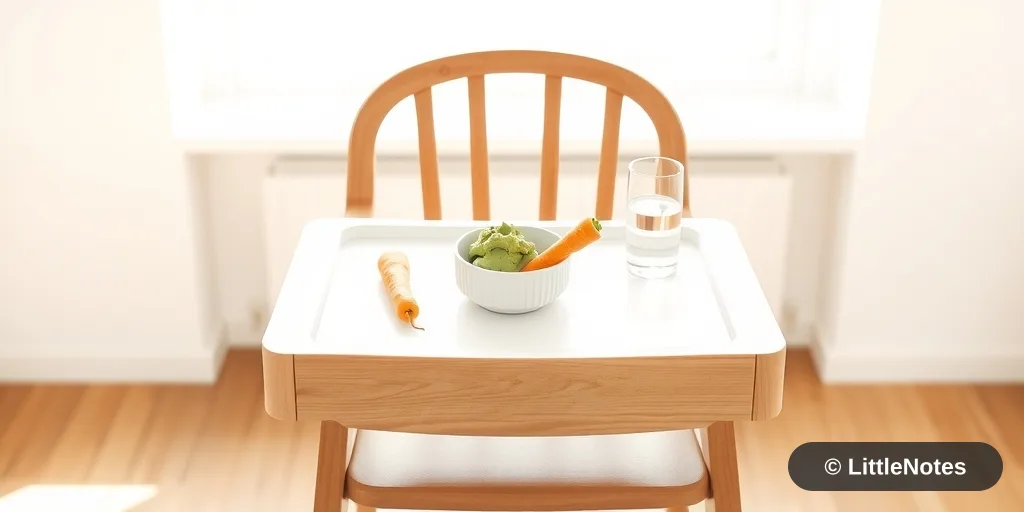
To ensure your baby arrives at the table hungry and ready to explore, try to maintain a gap of about an hour between a milk feed and a solid meal. If you are offering a lighter snack, you can be more flexible, but try to avoid grazing throughout the day. This structure helps babies recognize the difference between "snack time" and "mealtime."
Avoiding Food Aversion
- Never Force: If your baby rejects a meal, stay calm. It can take many exposures—sometimes five or more—for a baby to accept a new flavor or texture.
- Follow Their Cues: If your baby is unwell or teething, appetite often dips. During these times, focus on comfort and frequent, smaller offerings rather than sticking to a rigid schedule.
- Keep it Positive: Avoid making the high chair a place of pressure. If they don't eat much one day, it is perfectly okay.
Note: Every baby is unique. Always consult your pediatrician if you are concerned about your baby’s growth, weight gain, or nutrient intake.






Comments