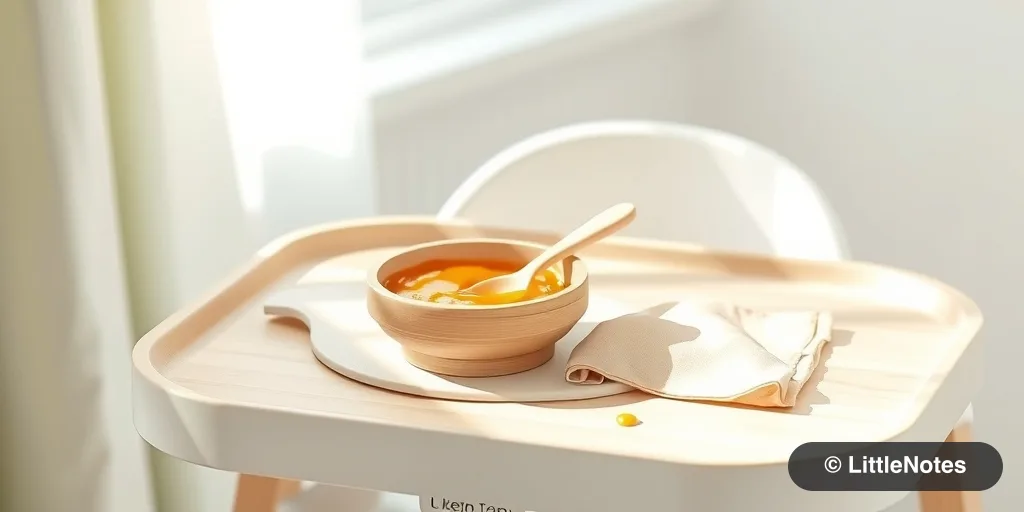
Embarking on the journey of introducing solids is a milestone filled with excitement and, let’s be honest, a few messy moments. While pediatricians generally recommend starting around 6 months—or when your baby can sit with support and hold their head steady—the experience can be simplified with the right preparation.
Preparing for Mealtime
When your baby is ready, you don’t need an entire kitchen overhaul. You likely already have the basics. A simple high chair is beneficial for stability, allowing your baby to focus on the experience rather than balance. When choosing one, prioritize ease of cleaning and durability. Suction-bottom bowls or plates are highly recommended to prevent the inevitable "toss-it-off-the-tray" game that most infants enjoy playing.
The "Hit and Trial" Phase
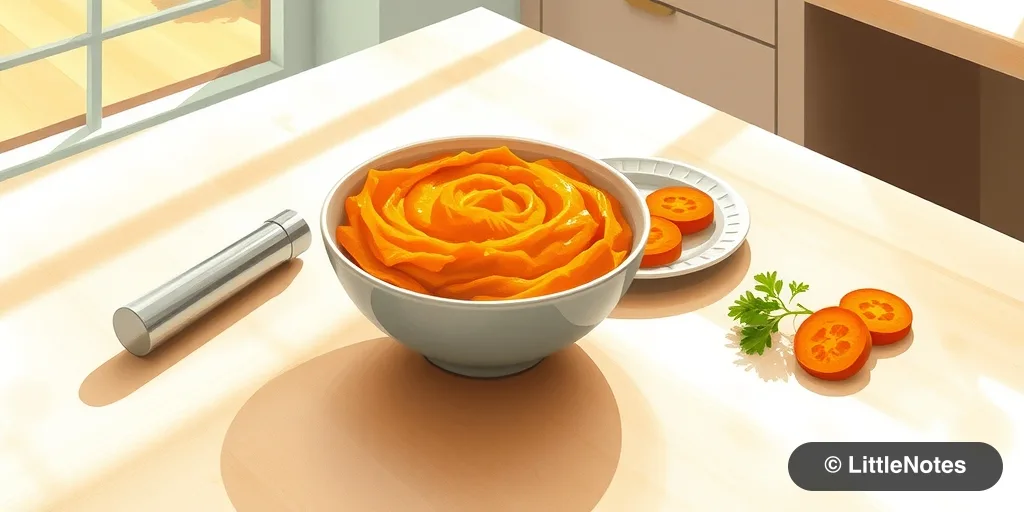
Every baby has unique preferences. You might start with gentle, nutrient-dense purees like mashed banana, carrot, or dal. Don't be discouraged if your little one isn't a fan of the first texture or flavor you offer. Feeding is a process of exploration. If you find pureeing and steaming in large batches tricky, know that you don't necessarily need a fancy steamer-blender. Using your regular kitchen cooker to steam and a manual masher or a standard mixer is perfectly adequate.
Practical Feeding Tips
- Keep it calm: Try not to stress over every bite. If your baby turns away or shows signs of being full, follow their cues and stop. Avoiding "one last bite" pressure helps build a healthy relationship with food.
- Environment matters: If possible, let your baby sit with you during family meal times. Babies are observant and often want to mimic what they see their parents doing.
- Safety first: Always have water nearby. It is often recommended to wait until after the first year for salt, so keep flavors simple and fresh.
When to Seek Advice
If your baby was born prematurely, consult your pediatrician about adjusting the timeline for solids, as they may focus on your baby's specific developmental milestones, such as neck control and sitting ability. If you feel like your baby is struggling with specific textures or showing extreme reactions, your pediatrician is your best partner in navigating these adjustments.
Remember, the goal in these first few months isn't full nutrition, but rather exposure and discovery. Keep it fun, keep it simple, and don’t be afraid of the mess!




Comments