Starting solids is a major milestone, but it’s natural to feel overwhelmed by the conflicting advice and your baby's unpredictable reactions. First and foremost, remember that until your baby turns one, breast milk or formula remains their primary source of nutrition. Solids at this stage are primarily for skill-building—learning to swallow, chew, and experience new textures—and to help meet their increasing iron and zinc needs.
When to Start
Most pediatricians recommend starting around 6 months. Look for signs of readiness rather than just age: your baby should have good head and neck control and be able to sit with minimal support. If you are ever unsure, consult your pediatrician, especially if your baby was born prematurely or is not showing the typical signs of interest in food.
Your First Meals
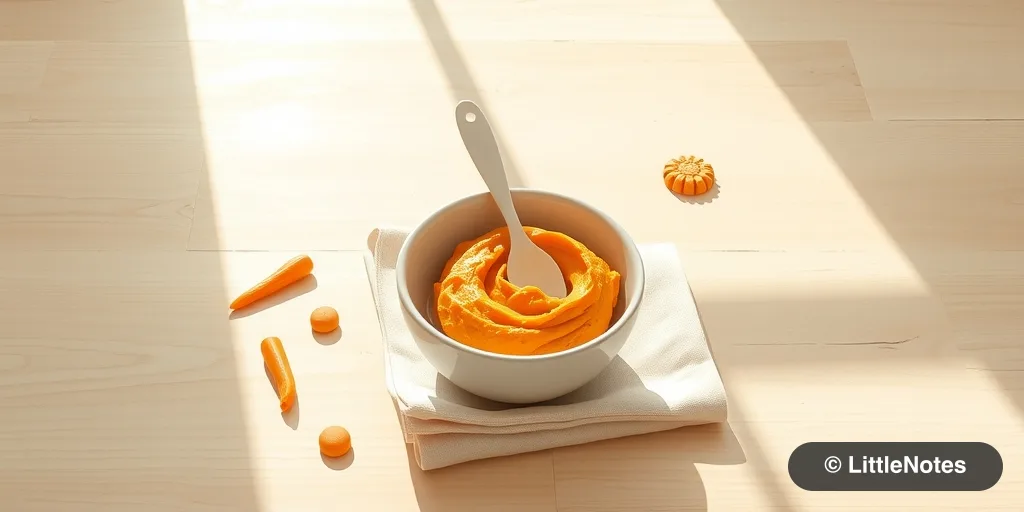
Start simple. Many parents find success with single-ingredient purees like carrot, sweet potato, or mashed banana. Once your baby is comfortable, you can move toward thicker consistencies, such as sprouted ragi porridge (which is often easier to digest) or mashed dal and rice. Avoid "dal water," as it lacks sufficient nutrients.
Troubleshooting Common Challenges
- The 'Gas' Phase: It is normal for a baby’s poop patterns and gas levels to shift when introducing new foods as their gut microbiome adapts. As long as your baby is passing gas and stool without clear signs of pain, there is no need to worry. Maintain breast milk or formula feeds to ensure they stay hydrated, which helps prevent constipation.
- The Food Strike: Don't panic if your baby suddenly refuses savory solids after weeks of eating well. It is often a phase linked to teething, growth spurts, or simply a preference for sweeter fruits. Keep offering a variety of flavors and textures, but avoid force-feeding. Pushing a baby to eat can turn mealtimes into a battle and dampen their appetite in the long run.
- Contact Rashes: If your baby develops a small, red, temporary rash around their mouth after eating acidic foods like citrus or tomatoes, it is often just a sensitive skin reaction. If it disappears shortly after the meal, it’s likely not a true allergic reaction. However, always monitor for swelling or more widespread rashes and consult your doctor if you have concerns.
Pro-Tips for Success
- Space it Out: Offer solids about one hour before or after a milk feed so your baby arrives at the table with a bit of an appetite.
- Keep it Playful: If you are trying Baby-Led Weaning (BLW), allow your baby to explore and play with food. It’s their way of becoming familiar with new textures.
- Tools: Apps like Solid Starts are fantastic resources for learning how to serve specific foods in age-appropriate ways.


Comments