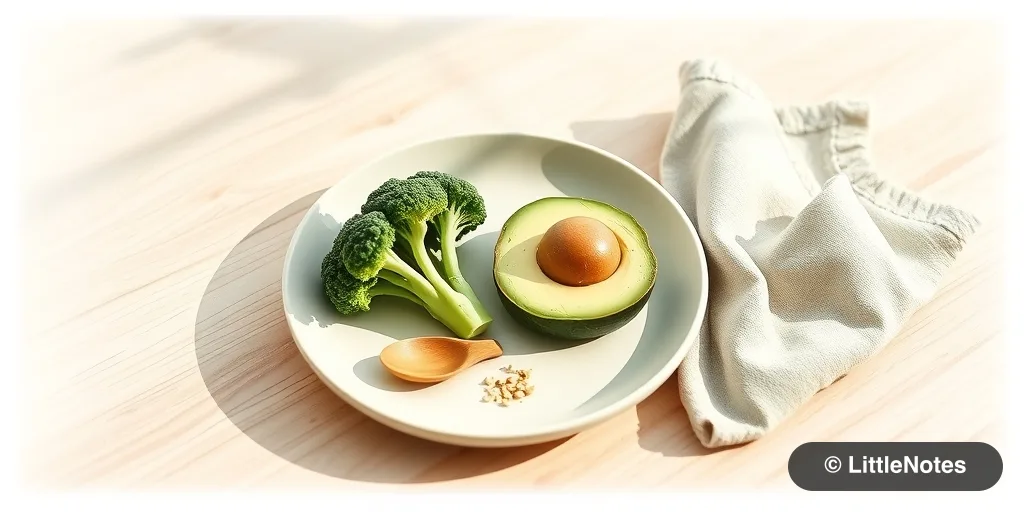
Starting solids is a major milestone, but it’s completely normal to feel overwhelmed! If you're preparing to introduce your baby to the world of food, remember that before age one, the primary goal is exploration and skill-building rather than quantity. Breast milk or formula remains their main source of nutrition.
Keep it simple: You don’t need special gadgets or a complicated schedule. A helpful approach is to share the "family pot." If you’re having dal, rice, or a vegetable dish, simply keep a portion aside for your baby. Steam it, mash it, and adjust the texture as your baby grows. By 7-8 months, many babies are ready to try soft, finger-sized strips of roti or other familiar family foods.
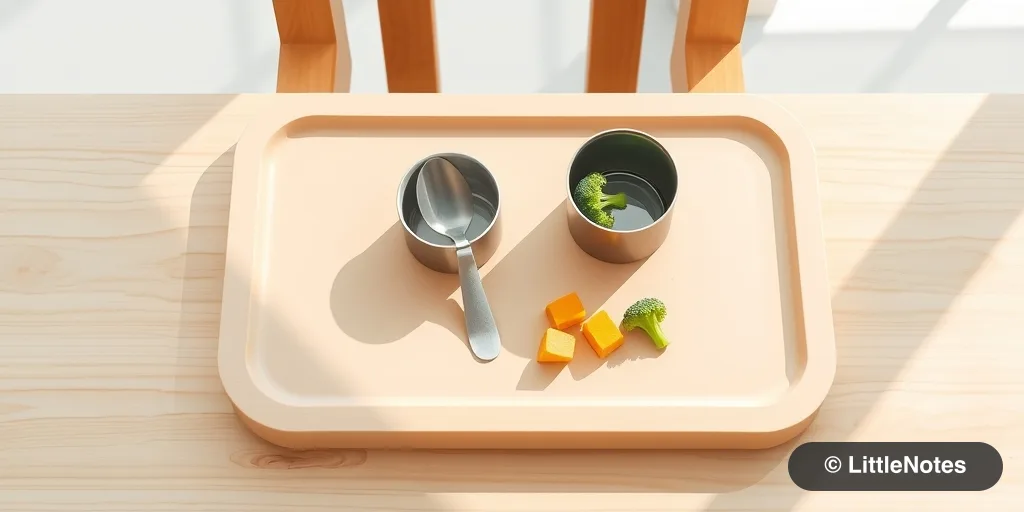
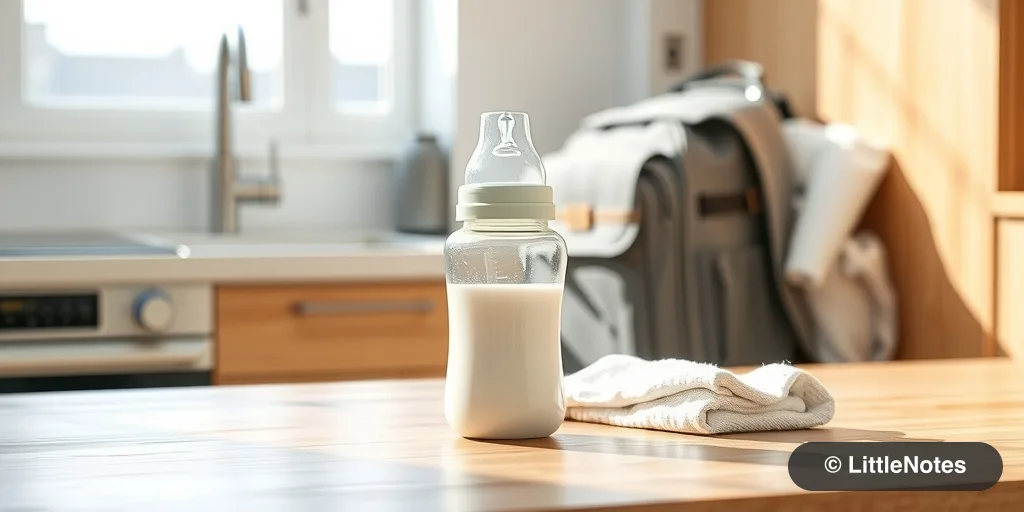
Tools of the trade: For cutlery, many parents find stainless steel spoons to be a great, long-term investment. They are easy to clean and don't trap odors the way some silicone can. For water, keep offering it in an open cup, a small steel glass, or a weighted straw bottle to help your baby practice those motor skills. If they only take a few sips at first, don't worry—it’s all part of the learning process!
Trust the process: Some days, your baby might be less interested in food due to teething, a growth spurt, or illness. It’s normal for their appetite to fluctuate. If they turn away or aren't interested, respect their cues rather than force-feeding. A hungry child will eat, and trying to keep mealtime relaxed is the best way to foster a healthy relationship with food.
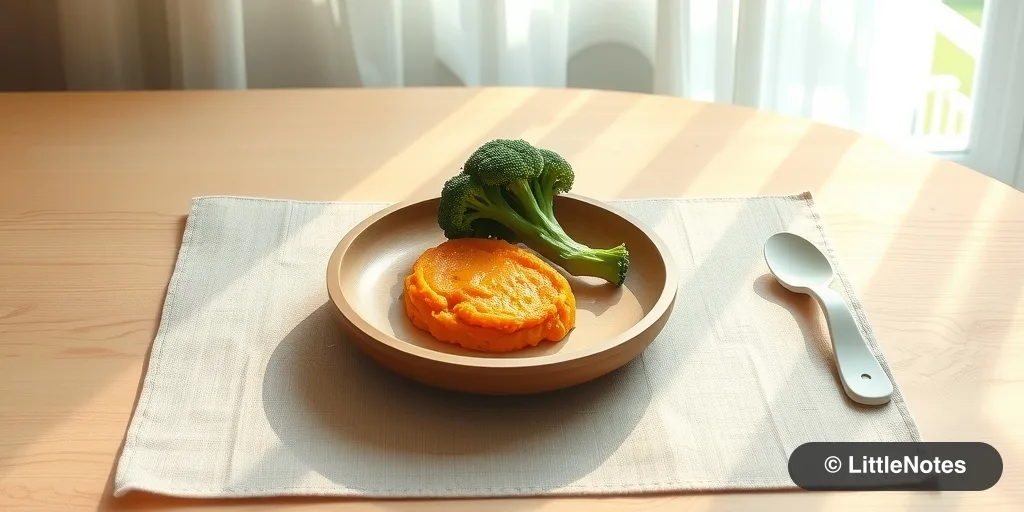
Note: Always consult your pediatrician regarding your baby’s specific dietary needs and before introducing new food groups.


Comments